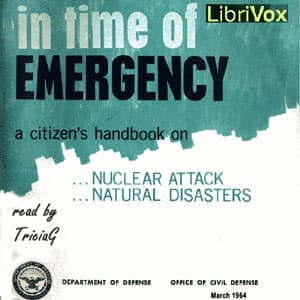

I was driving down I-35, stuck in Austin traffic that makes a convoy in Baghdad look efficient, when I decided to throw this on. I run a security consulting firm. My clients pay me to worry about worst-case scenarios so they don't have to. Naturally, I have a soft spot for the classics. And you don't get much more classic than the U.S. Office of Civil Defense telling you how to build a fallout shelter in your basement in 1968.
Let's be real. This isn't a thriller. There's no protagonist, unless you count "The American Citizen" holding a shovel. It's a manual. A government-issued, tax-funded guide on what to do if the Cold War turned hot.
When the Government Sounded Calm About the Apocalypse
There's something surreal about listening to instructions on nuclear survival delivered with the emotional weight of a recipe for potato salad. The text itself is a fascinating time capsule. It covers everything—fallout, blast waves, sanitation (a nightmare in a bunker, trust me), and emergency supplies.
(I actually laughed out loud at the "emotional stability" section. Try telling a platoon under fire to just "maintain morale." Easier said than done.)
From a historical perspective? It's gold. Shows you exactly where the public head-space was fifty years ago. The focus on self-reliance is something we've lost a bit of today. Hell, I've seen grown adults fall apart without their phones—makes me think about the emotional resilience gap we're facing, something Adult Children of Emotionally Immature Parents digs into from a different angle. My firm deals with corporate execs who panic if the Wi-Fi goes down for ten minutes. These guys in '68 were explaining how to filter water through a sock.
But if you're a prepper looking for cutting-edge tactics? Skip it. The basics of water and food storage haven't changed, but our understanding of radiation and modern infrastructure has. This is for the history buffs. The folks who want to know what their grandparents were reading while staring at the sky.
The Briefing Room Vibe
The narrator, TriciaG, is a LibriVox volunteer. If you haven't listened to LibriVox before, it's hit or miss. TriciaG is a hit, but with a caveat. She has a very specific style—clear, enunciated, and utterly neutral.
She sounds exactly like the kind of person who would be reading announcements over a PA system in a sterile government building. For this book? It works. Fits the dry, bureaucratic nature of the text perfectly.
However—and this is a big however—it can get hypnotic. Not in a good way. I had to crank the speed up to 1.3x just to keep my brain from drifting. It's monotone. Consistent, clean, professional, but monotone. My German Shepherd, Ranger, usually perks up when he hears voices in the truck. For this one? He was out cold in the passenger seat within five minutes.
Who Gets This Briefing
Listen if: You're into Civil Defense history, collect survival literature, or want to understand Cold War-era civilian preparedness. Two hours, and you'll know exactly what the government expected from citizens facing nuclear attack.
Skip if: You're a prepper hunting for modern tactics or expecting dramatic storytelling. This is a historical document, not entertainment.
Mission Debrief
Look, you don't get this audiobook for entertainment. You get it because you're curious about Civil Defense history or you're a completionist about survival literature. It's only two hours long. I've sat through longer briefings that contained less useful information.
It's a clean recording of a historical document. Nothing more, nothing less. If you're expecting a dramatic retelling of nuclear winter, go buy a sci-fi novel. If you want to know exactly what the government expected you to do with a trash can and some sandbags in 1968, this is your debrief.
Mission accomplished, I guess. Now I need to go check my own emergency kits. This thing made me paranoid about my water filters.