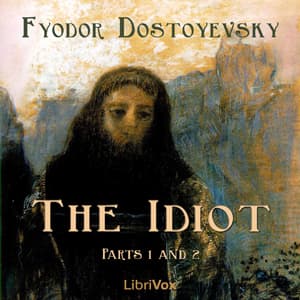

The Idiot (Part 01 and 02)
Look, it's November in Chicago. The wind off the lake is doing that thing where it tries to cut specifically through the gap in your scarf, and I'm sitting here grading thirty-five essays on The Great Gatsby that all somehow manage to misspell "Daisy."
I needed something bleak. But, like, classy bleak. Russian bleak.
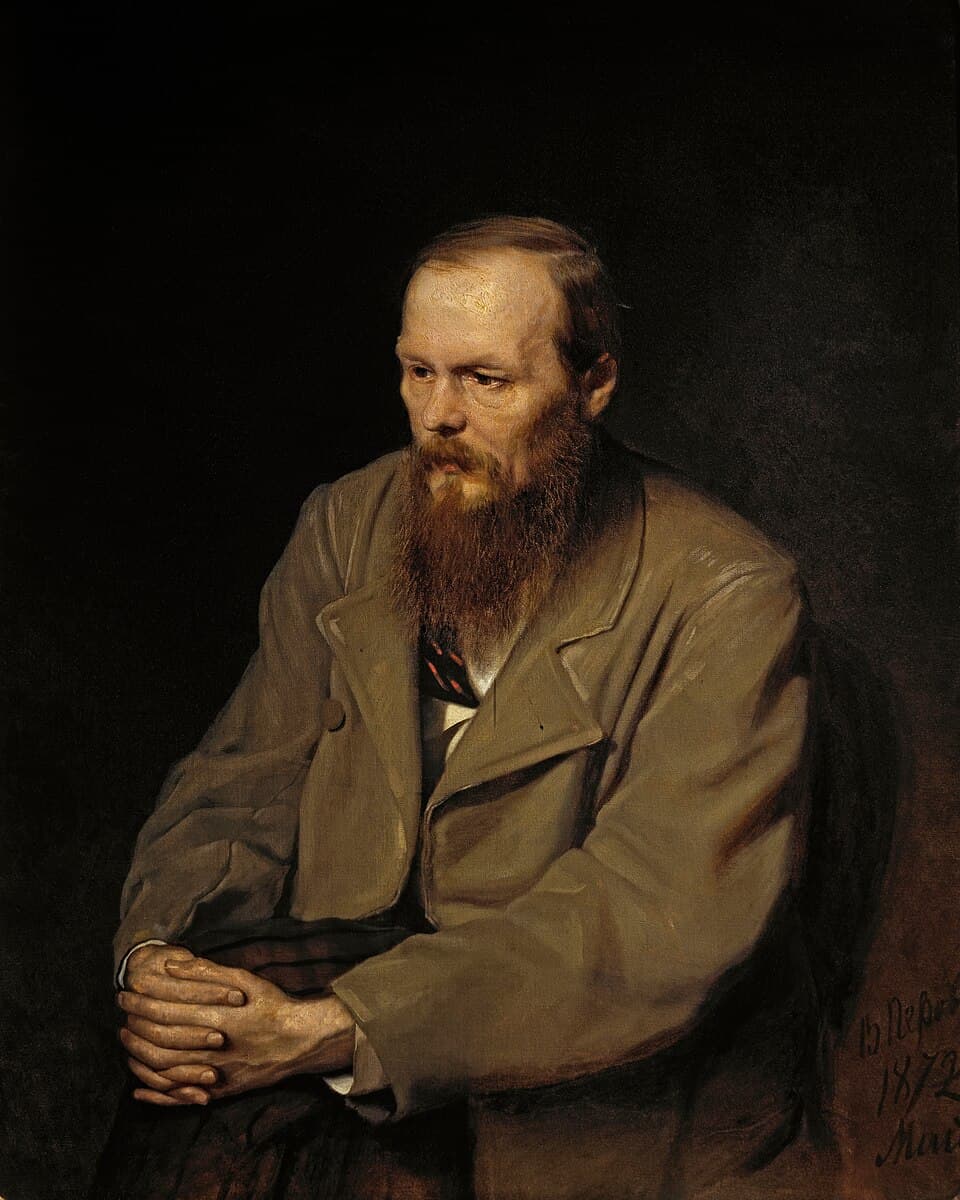
So I turned to Dostoyevsky. Specifically, The Idiot.
Now, usually, when I tell my students I'm listening to a 15-hour recording of a 19th-century Russian novel, they look at me with this mixture of pity and horror. Like I just told them I enjoy recreational root canals. But here's the thing about Dostoyevsky—he's actually funny. In a dark, "everyone is terrible and we're all going to die" sort of way. And this specific recording? It's a miracle.
The LibriVox Gamble (and Winning Big)
Let's be real for a second about public domain audiobooks. Usually, it's a gamble. You're either getting a retired theater professor who pours his soul into every syllable, or a guy recording in his bathroom while his neighbor mows the lawn.
Martin Geeson is the former.
I hadn't heard of him before this (sorry, Martin), but the man understands that narration is performance art. He doesn't just read the text; he inhabits it. His voice has this warm, satisfying English accent that just feels right for the period. I know, I know—it's Russia, not Victorian England—but there's a translation convention where "fancy 19th-century people" just sound British. It works.
(My wife Denise walked in while I was listening to the train scene in Chapter 1 and asked if I was listening to a play. That's how distinct the voices are.)
Prince Myshkin vs. The World
The story follows Prince Myshkin, returning to Russia from a Swiss sanatorium. He's the "Idiot" of the title, but only because he's literally the only honest person in St. Petersburg. He's socially awkward, brutally truthful, and entirely without guile.
My students would probably call him "cringe" or say he has "zero rizz." They're not wrong, but they're missing the point.
Geeson nails Myshkin's voice. He gives him this gentle, hesitant cadence that contrasts so sharply with the sharks circling him. And then there's Rogozhin—the dark, obsessive foil. Geeson drops his register, adds a bit of gravel, and suddenly you feel the tension in the room. It's the difference between reading sheet music and hearing the symphony.
But the real standout? Madame Epanchin.
I read somewhere that listeners specifically love Geeson's take on her, and they aren't kidding. He captures that specific brand of matriarchal hysteria—looping from protectiveness to mockery to absolute despair—without making it a caricature. It's genuinely funny. I found myself laughing out loud in the faculty lounge. (Principal Martinez gave me a look, but he thinks I'm listening to professional development podcasts, so we're good.)
The "Part 1 and 2" Heartbreak
Here is the only major downside, and it's a big one. This recording covers Part 1 and Part 2.
Dostoyevsky wrote four parts.
It's like watching The Empire Strikes Back and the screen goes black right before Han gets frozen. You're invested. You're deep in the spiraling dance of death, and then... silence.
From what I've dug up, the later parts in this specific project were picked up by different narrators. And look, I'm sure they're nice people who love literature. I ran into a similar issue with Brothers Karamazov—different recording, same frustration of finding a narrator who gets Dostoyevsky's rhythm. But shifting narrators in the middle of a novel is like swapping the lead actor in the third act of a movie. It jars you out of the dream.
So, you have a choice. You can listen to Geeson's stunning work for the first half and then switch to reading the physical book (which, honestly, your eyes could probably use the break anyway), or you can brave the other narrators.
Why It's Still Worth It
Despite the cliffhanger ending of the audio files, I'm marking this as a must-listen for one reason: accessibility.
Dostoyevsky is intimidating. The names alone—"wait, is that the Prince or the General?"—are enough to make people bounce off the text. Geeson's distinct character voices solve that problem. You don't need to remember who is speaking because you can hear who is speaking.
It's slow, yes. It's philosophical. There are long conversations about capital punishment and religion and the nature of the soul. It's not a thriller. Dostoyevsky pulls off that same philosophical depth in Crime and Punishment, though that one at least has a murder in the first act to keep things moving. If you're looking for plot twists every five minutes, go buy a Dan Brown book. (No judgment. Okay, maybe a little judgment.)
Who should listen: Anyone curious about Russian lit but intimidated by the page count—Geeson's voice work makes the characters instantly trackable. Who should skip: If you need a complete story or can't handle a narrator switch mid-novel, wait until you find a full recording with one voice.
But if you want to understand why we still bother with these 150-year-old bricks of paper, listen to this. It's human, it's messy, and thanks to Martin Geeson, it's alive.
Now, if you'll excuse me, I have to go write "Daisy" on the whiteboard twenty times.







![Steve Jobs [unabridged audiobook] audiobook cover](/_next/image?url=https%3A%2F%2Fcovers.audiobooks.com%2Fimages%2Fcovers%2Ffull%2F9788499923406.jpg&w=1920&q=75)