
"The world's most beautiful women are turning up dead, their faces slashed."
That line hit around the fifteen-minute mark, and I remember thinking—okay, Ross, you've got my attention. I was driving back from a client site in Houston, three hours of I-10 ahead of me, and Ranger was doing his usual thing in the back seat, ears perked like he was listening too.
Paris Fashion Week Meets Criminal Psychology
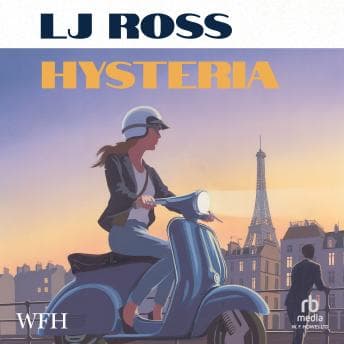
Let me cut to the chase: Hysteria is a solid procedural thriller that does exactly what it promises. Dr. Alexander Gregory—elite forensic psychologist, criminal profiler, the whole package—gets called to Paris because models are being murdered during fashion week. The hook is simple but effective: one victim survived, but she's locked inside her own trauma. Gregory has to crack her psychological defenses before the killer strikes again.
Ross knows her way around a crime scene. The procedural elements feel authentic, the psychology isn't dumbed down for mass consumption, and the Parisian setting adds a layer of glamour that contrasts nicely with the brutality of the crimes. There's something almost poetic about beautiful women being destroyed in a city famous for beauty. Ross doesn't belabor the point, but it's there.
Hugh Dancy's narration carries this thing. The man shifts between Gregory's controlled professional demeanor and the emotional chaos of traumatized witnesses with real skill. That kind of narrator versatility can make or break a thriller—something I noticed was missing in Silent Woman, where the performance never quite matched the story's intensity. His French accents for the local police aren't perfect—they're a bit theatrical—but they work for character differentiation. When he reads the survivor's fragmented memories, there's genuine hesitation in his delivery. Not overacted. Just... careful. Like he's handling something breakable.
Where The Seams Show
Now here's where I have to be straight with you. The plot twist? Barely believable. I've worked with enough security professionals and law enforcement to know when a reveal feels earned versus when the author just needed a third-act surprise. This lands closer to the second category. You'll see it coming if you're paying attention, and when it arrives, you might find yourself doing what I did—shrugging and saying "sure, I guess."
Ross also has a tendency toward repetitive description. We get it—Paris is beautiful, the fashion world is superficial, the victims were stunning. By hour four, I was ready to move on. These passages don't add to character understanding or plot momentum. They just... exist. Like filler between the good stuff.
At six hours and forty-eight minutes, this isn't a massive time investment, and the pacing is generally tight enough to keep you engaged. But those descriptive lulls hit differently when you're fighting Houston traffic and just want to know who's doing the slashing.
The Gregory Factor
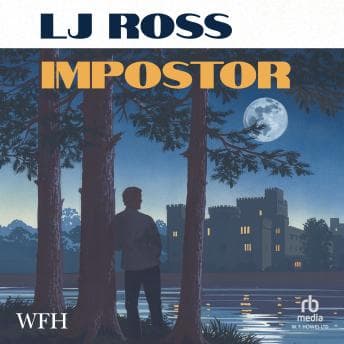
This is the second book in the series—I haven't listened to Impostor, the first one—and I didn't feel lost. Ross provides enough context without drowning you in backstory. Gregory himself is an interesting protagonist: competent without being insufferable, damaged without being a cliché. I've seen authors try this balance and fail—Giving Up The Ghost had a protagonist who tipped too far into the damaged territory without enough competence to back it up. He's got that quiet authority thing going on, and Dancy's voice work captures it perfectly.
The dark humor Ross peppers throughout works better than expected. It's not laugh-out-loud stuff, but it breaks the tension appropriately. Gregory's observations about the fashion industry's absurdity land with dry precision. (Reminded me of some of the gallows humor you develop after a few deployments—you either laugh or you don't make it.)
Who Gets Value Here (And Who Doesn't)
If you're into procedural thrillers with psychological depth, this delivers. Fans of Mindhunter-style profiler narratives will find familiar territory here, though Ross keeps things moving faster than a true slow-burn character study. The Paris setting is a nice change from the usual American or British backdrops.
Skip it if you need your plot twists airtight. Also skip if repetitive scene-setting drives you crazy. But if you can tolerate some bloat for the sake of atmosphere and solid narration, you'll get your money's worth.
Final Assessment
Hysteria won't revolutionize the genre, but it executes its mission with competence. Dancy's narration elevates material that occasionally sags under its own descriptive weight. The psychological elements feel grounded, the pacing mostly works, and Gregory is a protagonist worth following.
Worth your time? Yeah, especially at 1.25x. The slower descriptive passages fly by, and Dancy's delivery holds up at that speed. Ranger approved this one—he didn't even try to distract me when we hit Austin traffic.