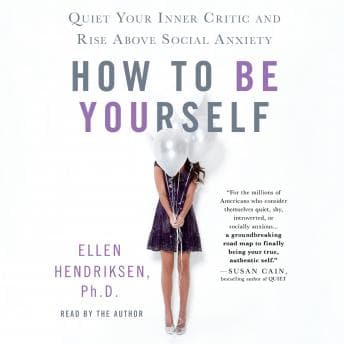

If I had a dollar for every time a well-meaning aunty told me to "just be yourself" at a cousin's wedding, I could fully fund my own research grant. It is the single most useless piece of advice in the history of human interaction. So, I went into Ellen Hendriksen's book ready to dismantle it. I was aggressively chopping onions for a curry I planned to eat entirely by myself—peak Friday night behavior—prepared to hate-listen.
But here's the thing: Hendriksen is one of us. And by "us," I mean she's actually faculty at BU's Center for Anxiety (which is literally down the street from my office, though we've never met). Most self-help books in this genre fall into two camps: dry regurgitations of CBT manuals that read like toaster instructions, or fluffy affirmation fests that melt under the slightest academic scrutiny. Prayer: Experiencing Awe and Intimacy with God manages a similar balance—substantive without being preachy, which is harder than it sounds. This is neither.
The Inner Critic Gets Cross-Examined
Hendriksen narrates it herself, and she doesn't sound like a lecturer. She sounds like the one friend who actually listens when you say you're freaking out about a department mixer. She breaks down the "Inner Critic"—that nasty little voice in your head that sounds suspiciously like your mother—with a precision that actually made me stop chopping. The specific technique where she suggests visualizing social blunders as a boring movie rather than a catastrophe? Clinically sound, but she explains it without the jargon. She talks about putting that critic "on trial," and frankly, as someone who analyzes character motivations for a living, I appreciated the courtroom drama of it.
Where It Loses Momentum
However—and my therapist would agree I have high standards—it's not perfect. It drags in the middle. There are moments where she leans way too heavily on listener anecdotes. I found myself hitting the 1.5x speed button because, yes, I get the point, let's move to the solution. It's a common issue with author-narrated books; they love their case studies a little too much.
Who Needs This (And Who Can Skip It)
If you've ever stood in an elevator with a colleague and suddenly forgotten how to be a human being, you need this. Skip it if you want pure clinical technique without the personal stories—grab a CBT workbook instead. But for the rest of us who want something smart, scientifically grounded, and kind without being condescending? It delivers. Just maybe speed it up during the long stories.