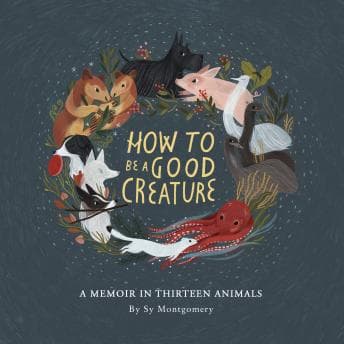

Three hours and forty-two minutes. That's it. That's the whole book.
Look, I don't complain about brevity. I'm the guy who celebrates when business books clock in under four hours because most authors pad their single insight into a marathon of repetition. But Sy Montgomery's How to Be a Good Creature commits a different sin: it's so short that it feels like an appetizer sampler when you ordered the entrée. I finished this during a single flight from LAX to Denver, and I spent the descent genuinely annoyed that there wasn't more.
The ROI Problem (And Why I'm Still Recommending It)
Here's my issue. At under four hours, you're getting thirteen animals—which means roughly seventeen minutes per creature. That's barely enough time to fall in love before Montgomery moves on. Her octopus chapter? Brilliant. Her descriptions of the emu's weird, otherworldly personality? Fascinating. The pigs, the dogs, the tarantula she befriended? Each one deserves its own deep dive.
But here's the thing my parents would understand instinctively: sometimes the best meals are the ones that leave you wanting more. Montgomery isn't padding. She's not stretching forty-five minutes of insight into eight hours like every LinkedIn influencer with a book deal. She says what she needs to say and stops. That's... actually respectable?
The key takeaway is worth the listen. The other 2 hours and 45 minutes? Also worth it. Which is rare.
What My Parents' Dry Cleaning Business Taught Me About Animals
Stay with me here. My mom and dad worked fourteen-hour days in Koreatown, and the only pets we ever had were the stray cats my mom fed behind the shop. She'd never call herself an "animal lover"—that was a luxury for people with time. But I watched her save scraps, learn which cat liked which food, notice when one was sick before anyone else did.
Montgomery writes about that same quality—the deep attention, the patience to understand a creature on its own terms. When she describes learning to read an octopus's moods through color changes, or understanding a pig's complex emotional intelligence, she's describing exactly what my mom did with those strays. Observation as love. Patience as connection. Raising Good Humans explores that same mindful attention, except applied to kids instead of octopuses.
This is what my parents did instinctively. Now it has a TED talk. Except Montgomery earned her credentials crawling through jungles and swimming with sharks, so I'll allow it.
Montgomery Behind the Mic
Montgomery reads her own work, and it shows. Her delivery is crisp but warm—you can hear the genuine wonder when she describes these animals. The grief sections hit hard because you're hearing the actual person who lost these companions. There's a rawness that a hired narrator couldn't replicate.
That said, some listeners apparently prefer her other audiobooks. I haven't done the comparison, but I found her performance here solid—properly emotive without being theatrical. She knows when to let humor land and when to sit in the sadness. The sections about losing animal companions? Jenny would say I got "something in my eye." Jenny would be right.
The Sampler Problem (Real Talk)
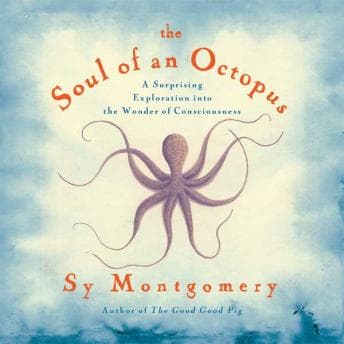
I have to be honest: the book sometimes feels like an advertisement for Montgomery's other works. She'll mention her octopus research and I immediately wanted to listen to The Soul of an Octopus instead. She'll reference her pig and I'm thinking about The Good Good Pig. It's a gateway drug masquerading as a standalone memoir.
For some listeners, this is frustrating. For me? I added three more Montgomery books to my Audible wishlist before the credits rolled. So maybe that's the point. Maybe this is the sampler platter, and I'm supposed to order the full menu afterward.
My 2.0x speed couldn't save this one—not because it's bad, but because it's already so short that speeding up felt like cheating myself.
Who Gets the Green Light (And Who Should Pass)
Animal lovers will devour this. Memoir fans who appreciate tight, purposeful writing will respect it. Anyone burned out on bloated business books (hi, that's me) will find the brevity refreshing rather than frustrating.
Skip if you want deep dives. Skip if you need comprehensive coverage. Skip if "thirteen animals in under four hours" sounds like a nature documentary on fast-forward.
The Dry Cleaner's Son's Bottom Line
This is a short book that knows it's short and doesn't apologize for it. Montgomery respects your time while delivering genuine emotional moments and insights about cross-species connection that actually land. The ROI per minute is excellent—you're just not getting many minutes.
Is it worth a credit? Probably not at full price for something under four hours. Wait for a sale or use your library app. But is it worth your time? Absolutely. Sometimes the best business advice comes from watching someone build relationships with octopuses and emus. My parents built their business on understanding people. Montgomery built her life on understanding creatures. Same skill, different species.
Jenny would say I'm being soft. Jenny is right.








![Steve Jobs [unabridged audiobook] audiobook cover](/_next/image?url=https%3A%2F%2Fcovers.audiobooks.com%2Fimages%2Fcovers%2Ffull%2F9788499923406.jpg&w=1920&q=75)