
Okay, so here's the thing about Victorian novels and me: we have a complicated relationship. I grew up watching telenovelas with my abuela, where jealousy destroys marriages in like three episodes flat. Trollope takes thirty hours to do the same thing, and honestly? The slow devastation hit me harder than I expected.
I picked up He Knew He Was Right because I was in a mood. You know the mood—where you want something meaty, something that'll keep you company through a week of logo redesigns and brand identity crises. Frida was sleeping on my keyboard, Diego was judging me from the bookshelf, and I needed a story about people making terrible decisions. Trollope delivered.
When Stubbornness Becomes Its Own Character
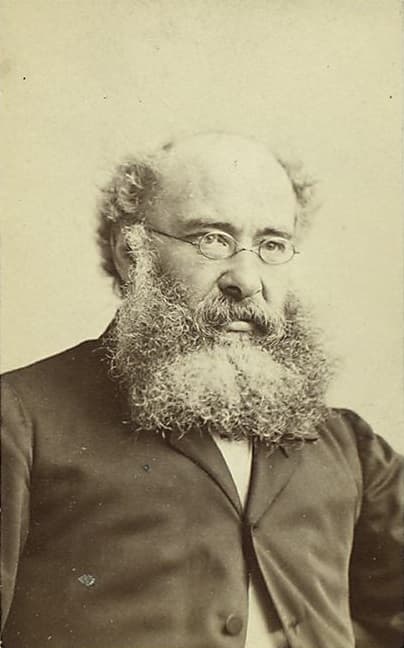
Louis Trevelyan is infuriating. Like, throw-your-phone-across-the-room infuriating. He's so convinced his wife Emily is having an affair (she's not) that he destroys everything good in his life just to prove he's right. And Emily? She refuses to apologize for something she didn't do. Which—fair. But also, girl, read the room.
What got me was how Trollope makes you understand both of them even when you want to shake them. Louis isn't a villain. He's a man whose pride has curdled into paranoia. Emily isn't a martyr. She's stubborn in ways that feel painfully human. I kept thinking about couples I know who've imploded over nothing—over misunderstandings that snowballed because nobody would bend first. That same stubborn pride shows up in Beneath This Man, though the power dynamics are completely different.
I ugly-cried around hour twenty-six. (Yes, I tracked it. I told you I'm unhinged.) The moment Louis finally sees what he's become? My heart. MY HEART.
Arielle Lipshaw Made Me Stay
Thirty hours is a commitment. Like, that's longer than some relationships I've had. And I'll be honest—I almost bounced in the first few chapters because Victorian prose can feel like wading through honey. But Arielle Lipshaw's voice is this warm, steady presence that made me want to keep going.
She reads like she genuinely loves this book. Not in a showy way, just—there's care in how she handles the sentences. The pacing is patient without dragging. She doesn't do wildly different voices for each character, but somehow I always knew who was speaking. It's subtle work, the kind you don't notice until you realize you've been listening for four hours and forgot to eat lunch.
I couldn't find much about her online beyond the LibriVox page, but based on this? She's got that rare ability to make dense Victorian text feel like someone's telling you a story, not reading from a podium.
The Subplots Are Where the Joy Lives
Trollope apparently thought this book was a failure because Louis is so unsympathetic. And sure, the main plot is a slow-motion car crash. But the secondary characters? Chef's kiss.
There's this whole thread about spinster sisters navigating society's expectations that made me want to call every unmarried woman I know and tell them they're doing amazing. There's a romance subplot that's genuinely sweet. There are moments of such sharp social commentary that I had to pause and just sit with them.
Abuela would have loved the drama. She would have gasped at Louis's descent, clutched her rosary during the separation scenes, and probably yelled at Emily through the speakers. I miss watching stories with her. Sometimes I pick books I know would make her react, just to feel her presence.
Who Should Press Play (And Who Should Keep Scrolling)
Let me be real: this is not for everyone. If you want plot twists every chapter, if Victorian language makes you zone out, if thirty hours sounds like torture—skip it. I get it.
But if you're the kind of person who wants to marinate in a story? If you like watching relationships unravel in excruciating detail? If you appreciate prose that's beautiful even when it's describing someone's slow psychological breakdown? This might be your thing.
I listened at 1.0x because I'm savoring, not speedrunning. But honestly, 1.25x would work fine if you're less precious about it than I am. The audio quality is clean—professional LibriVox production, no weird background noise or volume issues.
Abuela Would Have Loved This One
The vibes are immaculate if your vibe is "melancholy Victorian drawing room where everyone is too proud to apologize." Which, apparently, is my vibe now. Frida and Diego remain unimpressed.