
I was about four miles into my morning run along the Charles River—trying to outrun my own dissertation deadline—when I realized I'd been listening to the intricacies of the U.S.-China relationship for forty-five minutes and hadn't checked my pace once. (My therapist would be proud of the focus; my knees, not so much.)
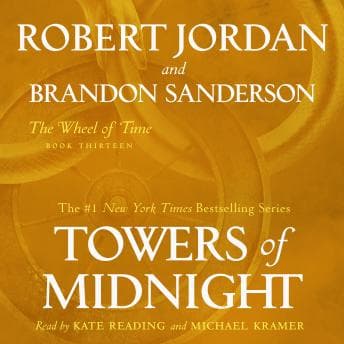
Here's the thing about Hard Choices. I picked it up because I'm obsessed with decision fatigue. The psychology of high-stakes decision-making is something Outliers: The Story of Success explores brilliantly, though Gladwell focuses more on the conditions that create exceptional decision-makers rather than the decisions themselves. Psychologically speaking, the sheer volume of high-stakes choices a Secretary of State has to make is fascinating. I wanted to get inside the head of someone who has to choose between "bad" and "worse" on a global scale.
And I did. Sort of.
The Voice Switch That Threw Me Off
Let's address the elephant in the audio booth immediately. Hillary Rodham Clinton reads the introduction. It's great. It's her voice, her cadence, her specific way of emphasizing words that makes you feel like you're getting the inside scoop.
But then—and I literally stopped running to check my phone when this happened—she disappears. Kathleen Chalfant takes over for the remaining 26 hours.
Look, Chalfant is a pro. Her tone is serious, measured, and incredibly clear. She sounds like the smartest professor in the lecture hall. But psychologically? It creates a distance. I wanted the memoir to feel like a confession or a conversation. Instead, it felt like a historical record. The critics call it "subtle, finely calibrated work," but that calibration sometimes feels like a wall.
If you're expecting 27 hours of intimate storytelling from HRC herself, you're gonna be disappointed. Once I got over the shock, though, I settled in. Chalfant's voice is soothing in a "we have a plan for this crisis" kind of way. Perfect for my anxiety, actually.
The Psychology of the "Curated Self"
As a researcher, I study how people construct their identities through stories. This book is a case study in the "Curated Self."
Clinton is careful. Super careful. She walks us through the bin Laden raid, the Arab Spring, the pivot to Asia. The details are immense. It's substantive. But it's also incredibly controlled.
I found myself waiting for the crack in the armor. The moment where she says, "I was terrified," or "I hated this guy." (She gets close with Putin, to be fair). But mostly, she stays in diplomat mode.
For a listener who loves messy character motivations—give me a fictional murderer with mommy issues any day—this was a bit dry. But for the part of me that respects cognitive discipline? It's impressive. She breaks down complex geopolitical webs into logical steps. It's rational. It's sober. It's the opposite of my family group chat.
Is 27 Hours Too Long? (Yes and No)
Okay, let's be real. Nearly 27 hours is a commitment.
There were moments—specifically during the trade agreement sections—where my mind drifted to what I was going to cook for dinner. (Palak paneer, if you're wondering). It can get dense. It drags in the middle.
But then she hits you with a chapter on human rights or the specific tension of a negotiation room, and I was back in. It's not a thriller. It's not a beach read. It's a graduate seminar in your ears.
Who's Got the Stamina for This
If you're a policy nerd or someone who finds comfort in competence, you'll like this. If you're looking for gossip or emotional fireworks, you should probably stick to fiction—Clinton actually did venture into fiction with State of Terror: A Novel, which has way more emotional fireworks than this memoir. Skip this one if you need vulnerability from your memoirs or can't handle audiobooks over ten hours.
Field Notes from the Charles River
My mother asked me why I was listening to "that politician lady" instead of finding a husband. I told her I was learning how to negotiate. She didn't laugh. But honestly? After finishing this, I think I could handle a peace treaty or two.