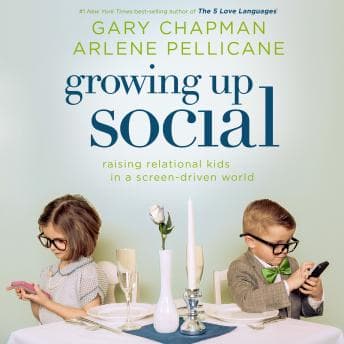

Look, I'll just say it: I'm tired of parenting books that make me feel like a monster for handing my kid an iPad during a faculty meeting. (Not that I have kids. Denise and I have discussed it. The iPad thing would definitely happen.) So when Chapman and Pellicane opened with yet another doom-and-gloom scenario about screens destroying childhood, I nearly switched back to my Middlemarch reread.
But then something shifted. These authors actually get it.
The Guilt Trip That Wasn't
Here's what surprised me - this isn't another "screens are the devil" manifesto. Chapman brings his Love Languages framework (which, full disclosure, I've recommended to approximately 847 struggling students over the years), and Pellicane adds practical parent-in-the-trenches wisdom. The "five A+ skills" they outline - affection, appreciation, anger management, apology, and attention - aren't revolutionary concepts. They're the same social-emotional competencies I've watched erode in my classroom over two decades.
But here's the thing. They frame screen time not as the enemy, but as a competitor for attention. That distinction matters. When they talk about replacing mindless scrolling with meaningful interaction, they're not asking parents to throw the Xbox in the garbage. They're asking them to be intentional. As someone who watches teenagers stare at phones instead of discussing Gatsby's green light, I felt seen.
Chris Fabry Reads Like Your Thoughtful Uncle
Fabry's narration is... fine. Solidly fine. He's got this warm, conversational delivery that feels like a pastor giving practical advice after Sunday service - appropriate given the faith-based framework here. The prose isn't exactly lyrical (this is a parenting manual, not Faulkner), but Fabry brings genuine warmth to the practical tips and doesn't oversell the emotional moments.
What I appreciated: he doesn't condescend. Some narrators read parenting books like they're scolding you. Fabry sounds like he's genuinely trying to help. At just over six hours, the pacing works - I finished it across three evening walks along the lakefront with Denise, and neither of us felt lectured at.
The Faith Element (Let's Talk About It)
This is published by Moody, so yes - there's a Christian framework woven throughout. For some listeners, that's exactly what they want. For others, it might feel exclusionary. I'll be honest: I'm not particularly religious, but the underlying message - that human connection matters more than digital convenience - transcends any single faith tradition. I found a similar universality in Inspired By … The Bible Experience Audio Bible, which manages to make ancient text feel accessible without dumbing it down. The practical advice here (screen-free dinners, technology contracts for kids, alternatives to "here, take my phone") works regardless of your Sunday morning plans.
If you're looking for secular screen-time guidance, though, you might find the occasional scripture reference distracting. Know thyself.
What's Actually Useful Here
The book shines brightest when it gets specific. The section on healthy ways to occupy kids while parents get things done? Actually helpful. (I texted three teacher friends about it.) The discussion of how screens affect developing brains? Backed by research, not just fear. The emphasis on modeling behavior - putting down your own phone, being present at dinner - hit harder than I expected. Denise may have given me a look during that section.
Where it stumbles: some examples feel dated. The technology landscape moves fast, and a few references felt like they were written in a pre-TikTok world. But the principles hold. Kids need eye contact. They need practice apologizing face-to-face. They need adults who demonstrate attention, not just demand it.
Who Should Listen (And Who Should Skip)
If you're a parent or grandparent feeling overwhelmed by screens and looking for practical, faith-informed guidance - this is solid. If you're an educator (hi, fellow teachers) wanting to understand what's happening in students' homes, there's insight here. Skip it if you want cutting-edge tech criticism or a secular approach.
I listened to this because I see the results of screen addiction every day in my classroom. Kids who can't maintain eye contact. Who don't know how to disagree respectfully. Who've never learned to sit with boredom. Chapman and Pellicane aren't solving those problems, but they're giving parents tools to prevent them.
Worth Pausing the Faculty Meeting For?
Here's my honest take: this is a useful book, competently narrated, with a specific audience in mind. It's not going to change your life if you're already intentional about screen time. But if you're drowning in guilt and looking for a balanced, practical framework - and you're comfortable with faith-based content - it delivers. The six-hour runtime respects your attention span, the advice is actionable, and Fabry makes it easy to absorb.
My students would probably hate that I listened to this. But then again, my students also think audiobooks at 1.0x speed makes me ancient. They're not wrong. But neither are Chapman and Pellicane.