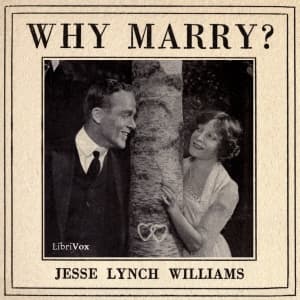

I grabbed this one because Jenny and I were having a debate about whether modern relationship advice is actually any better than what our grandparents had. She said yes. I said prove it. So here we are—me listening to a 1938 marriage manual compiled from Good Housekeeping articles while doing expense reports at 2 AM.
The verdict? My parents would've laughed at half of this and nodded along to the other half.
When 1938 Gets It Right (And Wrong)
Here's what caught me off guard. Some of this advice—stripped of the dated language and the assumption that wives are basically household managers—is genuinely solid. The stuff about communication, about not keeping score in arguments, about building a partnership rather than a transaction? That's in every modern marriage book I've ever skimmed. 12 Rules for Life makes similar points about personal responsibility in relationships, just with more lobsters and Jung. They just didn't have the neuroscience to back it up.
But then you hit a chapter that's basically "How to Keep Your Husband Happy" and it reads like a job description for an unpaid employee. The historical context isn't just outdated—it's a time capsule of gender dynamics that'll make you cringe. You need to listen with discernment, which is a nice way of saying you'll be mentally editing about 40% of the content.
The practical stuff about courtship, raising kids, managing household finances? Some of it maps surprisingly well to what I see in my consulting work. Alignment on values before commitment. Clear expectations. Regular check-ins. My parents did all of this instinctively while running a dry cleaning business. Now it has a chapter in a 1938 magazine compilation. The gap between timeless wisdom and trendy packaging reminds me of Golden Key—same core ideas about alignment and intention, just wrapped in very different language.
The LibriVox Lottery
The narration. This is where the free audiobook model shows its seams. LibriVox volunteers are doing God's work making public domain content accessible, but the quality is—how do I put this charitably—inconsistent.
Some narrators have warm, clear voices that make the content feel like advice from a wise aunt. Others sound like they're reading a grocery list while their kids play in the background. The pacing swings wildly between chapters. One reader clips along at a good pace, the next one... does... not.
I couldn't find much about the individual volunteers online, but based on what I heard, you're getting a rotating cast of well-meaning amateurs. It's free, so I'm not complaining. But if you're used to polished Audible productions, adjust your expectations. Way down. The accent variations threw me a few times—jumping from a Midwest read to something vaguely British mid-book is jarring. Not a dealbreaker, but it pulls you out of the content.
The ROI Calculation
This is five hours of your life. Is it worth it?
If you're a history nerd who wants to understand how relationship advice has evolved (or hasn't), yes. If you're researching early 20th century domestic expectations, absolutely. If you're curious about what your great-grandparents might have been reading before their wedding, it's a fascinating window. But if you want actionable marriage advice? Skip to the chapters on communication and conflict resolution, mentally filter out the gender dynamics, and you'll get maybe 90 minutes of useful content. The rest is historical artifact.
Who should listen: History buffs, sociology students, anyone curious about how relationship advice has (and hasn't) changed. Who should skip: Anyone looking for practical, modern guidance—there are better uses of your five hours.
Jenny listened to about 20 minutes with me before declaring that modern advice is, in fact, better. I told her the core principles haven't changed—we've just gotten better at the packaging and dropped the casual sexism. She said I was being generous. She's probably right.
Net-Net
For a free audiobook, you get what you pay for. The content has moments of genuine insight buried under layers of 1938 assumptions. The narration gets the job done but won't win any awards. If you go in knowing that, you might find something worth your time.
My 2.0x speed couldn't save the slow chapters, but it made the good ones fly by.