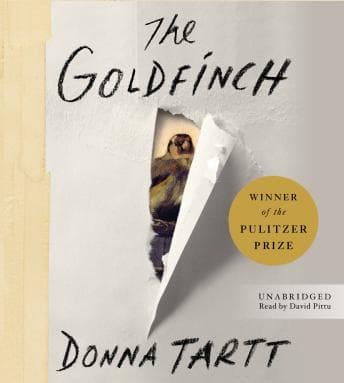

Look, I'm used to long shifts. I do 12-hour stints in the ICU that regularly turn into 14 because someone always codes at shift change. But 32 and a half hours? That is a commitment. That's basically three full shifts of my life.
I started listening to The Goldfinch on my drive home after a particularly brutal night—we had a multi-car pileup come in—and honestly? I needed something long. Something that wouldn't end just as I was getting invested. And boy, does Donna Tartt deliver on the "long" part. (And the invested part, mostly.)
David Pittu: The Voice That Kept Me Awake
Let's be real—if the narrator sucks, a 32-hour book is torture. It's like being stuck in an elevator with a Chatty Cathy. But David Pittu? The man is a chameleon.
I couldn't find much about him online before I started, but he earned his keep here. The way he handles Theo—the main kid—is heartbreaking. He captures that specific kind of numbness you see in trauma victims. I've seen that look in the ER a thousand times; Pittu somehow put it into a voice.
But the real MVP? Boris.
When Theo meets this wild Ukrainian/Russian kid, Pittu switches gears so hard I almost swerved into the HOV lane. The accent is thick, slurred, manic, and somehow incredibly warm. It's not a caricature. It sounds like a real person who's seen too much and cares too little about the rules. (Reminded me of a frequent flyer we have in the unit who tells the best stories while I'm trying to start his IV.)
Grief That Doesn't Wrap Up in 45 Minutes
Here's the thing about medical shows vs. reality: shows wrap up trauma in 45 minutes. Reality is messy, long, and boringly painful. That's what this book gets right.
Theo survives an explosion that kills his mom. The book isn't about the explosion—it's about the years of debris that fall afterward. The grief isn't linear. It spirals.
As a nurse, watching (well, hearing) Theo descend into addiction was rough. I wanted to reach through the speakers and shake him. Or give him a sandwich. Or call social services. The descriptions of his pill usage, the fog, the desperation—it felt accurate. Uncomfortably so. Midnight Line tackles addiction from a different angle—less literary, more direct—but it hit some of the same raw nerves. It's not glamorized; it's just sad and gritty. My mom would've hated it (she likes her stories clean), but I appreciated the honesty.
The Vegas Slog Is Real
Okay, I have to be honest. There were moments—specifically in the middle section set in Las Vegas—where I checked the time remaining and groaned. "18 hours left? Are you kidding me?"
It drags. It wanders. It's like a patient telling you their entire life story when you just asked if they have any allergies. There are whole chapters where they're just... sitting around. Drinking. Talking. Doing nothing.
But—and this is a big but—Pittu's narration kept me there. Even when the plot stalled, the vibes were immaculate. It felt like hanging out with friends who are bad influences but great company. I found myself sitting in my driveway for 20 minutes after getting home, just letting the chapter finish, while the ice cream in my grocery bag definitely melted. (Sorry, Carlos.)
The Verdict
This isn't a thriller. Don't go in expecting a Gone Girl pace. This is a life. And lives are long, messy, and full of detours.
Is it perfect? No. It's self-indulgent. It needs an editor with a machete. But it's also beautiful. When the ending finally hit, I felt that specific kind of exhaustion you get after a really hard, really good shift. You're tired, you're emotional, but you're glad you showed up.
Who should listen: If you have a long commute, a pile of mindless chores, or just need something that'll outlast your insomnia—this is it. Who should skip: Anyone expecting tight pacing or a quick payoff. Maybe speed it up to 1.25x during the Vegas parts. Trust me.