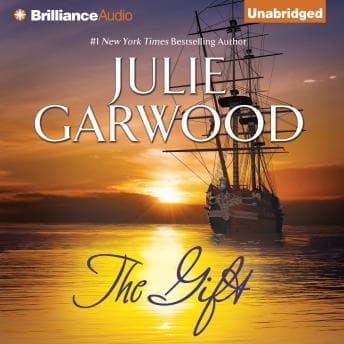

Look, I need to talk about Nathan St. James for a minute. Because this man - this infuriating, arrogant, emotionally constipated pirate-marquess - had me muttering at my phone during a faculty meeting about differentiated instruction. Principal Martinez definitely noticed. I regret nothing.
Julie Garwood wrote The Gift in 1991, and somehow it still manages to push every single one of my buttons. Sara Winchester is technically Nathan's wife - they married when she was a child, one of those convenient plot devices that historical romance loves - but she's grown into this delightfully stubborn woman who refuses to let her husband's brooding nonsense intimidate her. And Nathan? He's spent years being the notorious pirate Pagan, which sounds ridiculous when I type it out, but Garwood sells it. The man has layers. Annoying, frustrating layers that take approximately twelve hours to peel back.
Susan Duerden Understands That Pause Is Punctuation
Let me just - yes. This is why we still listen to the classics, even when they're technically genre fiction that my dissertation advisor would have sniffed at. Duerden doesn't just read Garwood's prose; she interprets it. There's this quality to her delivery where Sara's innocent defiance comes through as genuine rather than saccharine, which is a tightrope walk. I've heard narrators turn similar characters into simpering caricatures. Duerden gives Sara steel underneath the sweetness.
Now, I've heard complaints about her male voices in other works - apparently some listeners find them gravelly to the point of growling - and I can see it here with Nathan. He does sound like he's been gargling seawater and making threats for a decade. But honestly? That tracks for a man who's been living as a pirate. I didn't find it distracting. If anything, it reinforced the class divide between Sara's more refined speech patterns and Nathan's rougher edges.
The pacing is where I have to be honest with you. Twelve and a half hours is a commitment, and there are stretches - particularly during the shipboard sections - where the plot meanders. Not terribly. Not enough to make me switch to my Middlemarch reread. But enough that I found myself grading papers more efficiently during certain passages, which is either a criticism or a compliment depending on how you feel about my grading backlog.
What Garwood Is Really Saying About Marriage
Here's the thing my students would hate: this book is actually about communication. (I know. I'm insufferable. Denise tells me this regularly.) Sara and Nathan spend half the novel talking past each other because neither one knows how to be vulnerable. She's been raised to expect a certain kind of husband; he's been surviving on emotional isolation. The romance isn't just about attraction - it's about two people learning to actually see each other.
This reminds me of what Austen was doing with Darcy and Elizabeth, honestly. The proud man humbled by love. The woman who refuses to be intimidated by status. Garwood isn't Austen - let's be clear about that - but she's working in the same tradition, and she does it with genuine warmth. The sensual scenes are present but not overwhelming. This is a slow burn in the classic sense. You're waiting for these two idiots to figure it out, and when they do, it earns the payoff. That same tension between personal stakes and external plotting shows up in To Murder a King: Struggle for the Crown Book 2, though there the conspiracy is the entire point.
The conspiracy subplot in the latter half feels a bit tacked on, if I'm being critical. There's a villain, there are threats, there's danger - but it exists primarily to test the relationship rather than to stand on its own merits. That's fine. That's what the genre does. But I found myself more invested in the quieter moments of Sara and Nathan learning each other's rhythms than in any external threat.
Who Should Brave The Seahawk (And Who Should Stay Ashore)
If you loved Garwood's other historical romances, this is on par with the first Crown Spies book - maybe not as detailed as the second, but solid. If you're new to her work, this is a reasonable entry point, though I might suggest The Secret first if you want the full experience.
Skip this if you need constant action. Skip this if slow-burn romance makes you impatient. Skip this if you're the kind of person who listens at 2x speed - the prose deserves to be savored, and Duerden's pacing is deliberate for a reason.
Worth Pausing The Faculty Meeting For
I finished The Gift during my lakefront walk with Denise last Sunday. She asked why I was smiling at my phone like an idiot, and I had to explain that a fictional pirate finally told his wife he loved her after approximately eleven hours of emotional avoidance. She patted my arm. She's used to this by now.
Susan Duerden's narration elevates what could be a standard historical romance into something genuinely enjoyable to listen to. The twelve-hour runtime is a commitment, and there are pacing issues that might test your patience, but the central relationship is worth the investment. My students would absolutely hate this book. I loved it. That tracks.