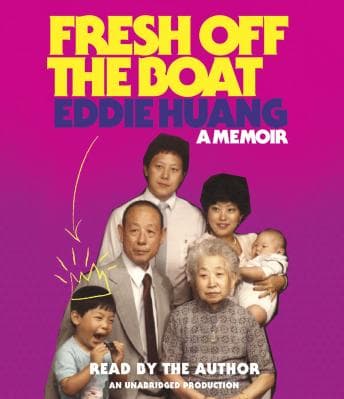

Is the American Dream a green light at the end of a dock, or is it a bowl of perfectly spiced dan dan noodles served by a kid who just got into a fistfight?
I was sitting at my dining room table at 10:30 PM, grading a stack of mediocre 11th-grade essays on The Great Gatsby, when I started this audiobook. The contrast was... jarring. My students write about the American Dream like it's a multiple-choice question they need to get right. Eddie Huang lives it like a contact sport.
If you're coming to this because you saw the ABC sitcom, stop. Reset your expectations. That show is the sanitized, network-TV version of a life that was actually gritty, dangerous, and obsessed with hip-hop culture. This audiobook is the raw footage. It's the difference between reading the CliffsNotes and actually struggling through the dense, beautiful mess of the original text.
The Voice of the Author
We need to talk about the narration because it breaks all the rules I usually teach my speech and debate students. Eddie isn't a professional voice actor. He doesn't have that smooth, radio-friendly baritone. He sounds like a guy sitting on your stoop at 2 AM, telling you how he almost got arrested.
And it works perfectly. There are moments—specifically when he's recounting some of his more ridiculous illicit high jinks—where you can hear him audibly cracking up at his own writing. A professional narrator (or a stricter editor) would have cut those giggles out. Leaving them in was the right call. It turns a reading into a confession. It reminds me of the rare moments in class when a student forgets they're presenting and just starts telling a story.
He also does the voices. His impression of his mother isn't the offensive caricature you might fear; it feels like a terrifying homage. When he switches from his own slang-heavy, street-smart vernacular to her sharp, accented lectures on success and survival, you feel the generational chasm opening up right there in your headphones.
Substance Over Sitcoms
What hit me hardest wasn't the food descriptions (though, fair warning, do not listen to this on an empty stomach), but the anger. Huang captures the specific, confusing rage of trying to fit into an America that only wants you on its own terms. He talks about "rotten banana" identity crises in a way that feels more visceral than any academic paper I've read on assimilation. Three Sisters explores similar identity struggles, though with less profanity and more quiet devastation.
Some listeners might find him grating. He's loud, he's brash, and he swears more in the first chapter than I'm allowed to in an entire thirty-year career. If you prefer the polished, NPR-style delivery of typical memoirs, you're going to hate this. My mom would turn this off after five minutes and call it "vulgar." She wouldn't be wrong. But she'd also be missing the point.
Who Should Listen (And Who Should Skip)
This one's for readers who want their memoirs unvarnished—anyone interested in immigrant identity, food culture, or hip-hop's influence on a generation. Skip it if you need your narrators polished and your language clean; Eddie doesn't code-switch for comfort.
Final Grade
The prose—and the delivery—deserves to be savored not because it's "beautiful" in the traditional sense, but because it's alive. It's messy and uncomfortable, kind of like the actual immigrant experience. Gambler: Secrets from a Life at Risk has that same raw, unfiltered energy—another memoir that refuses to sand down the rough edges.
I ended up abandoning my grading that night to finish the last two hours. The essays on Gatsby could wait. I was too busy listening to someone rewrite the American Dream in real-time.









