
I went into this expecting the usual sanitized, kid-friendly version of Native American history that glosses over the hard truths. And yeah, that's partly what I got. But here's the thing - sometimes the old-school approach has its own value, especially when you're looking for a primer rather than a deep tactical analysis.
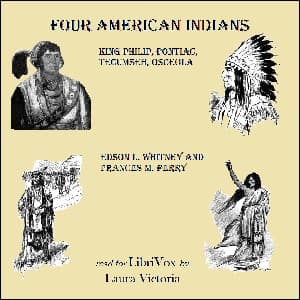
This audiobook covers four leaders who gave the U.S. military absolute hell across different eras: King Philip, Pontiac, Tecumseh, and Osceola. Men who understood guerrilla warfare, coalition building, and strategic resistance long before anyone wrote manuals about it. As someone who's studied asymmetric warfare professionally, I can tell you these guys were the real deal.
That same focus on tactical adaptation under pressure is what makes Extreme Ownership such essential reading for anyone studying leadership in combat.
The Strategic Minds Behind the Resistance
What struck me most was how each leader adapted to their specific circumstances. Pontiac's coordination of multiple tribes against British forts in 1763? That's a coalition operation that would challenge any modern commander. Tecumseh traveling thousands of miles to build a pan-tribal alliance? Strategic vision on a continental scale.
The book doesn't go deep enough into the military tactics - I wanted more details on ambush techniques, supply line disruption, the actual mechanics of their campaigns. But it gives you the framework.
The authors, writing in the early 1900s, clearly had an agenda aimed at young readers. So you get the "noble savage" framing common for that era. Frustrating? Yes. But I've learned to read through that lens rather than dismiss the content entirely. The facts are still there if you know how to extract them.
Laura Victoria Gets the Job Done
Couldn't find much background on Laura Victoria, but based on this performance, she's solid. Clear enunciation, steady pacing, no dramatic flourishes that would distract from the material. This isn't the kind of book that needs a theatrical narrator - it's educational content, and she treats it that way. Professional. Mission-focused. I appreciated that she didn't try to do "Native American voices" or any of that cringe-worthy stuff some narrators attempt.
The production quality is clean. No weird audio artifacts, no volume fluctuations. I listened during my morning commute through Austin traffic, and I never had to rewind because I missed something. That's the standard I hold audiobooks to - can I follow it while navigating I-35? This one passed.
Where It Falls Short
Here's my honest assessment: this book is skeletal. Each leader gets maybe an hour and change, which means you're getting the highlight reel, not the full documentary. For Osceola and the Seminole Wars alone, you could fill a 20-hour audiobook with the complexity of that conflict - the escaped slaves who fought alongside the Seminoles, the brutal swamp warfare, the treaty violations. Instead, you get a summary.
And the perspective is firmly 1900s American. The authors admire these leaders but still frame everything through the lens of inevitable American expansion. That's a product of its time, and you need to know that going in.
For serious students of military history or Native American studies, this is a starting point, not a destination. It's the briefing before the briefing - enough to know the players and the basic timeline, not enough to understand the full strategic picture.
Who's This For (And Who Should Skip It)
If you're homeschooling kids and want an accessible introduction to these historical figures, this works. If you're a history buff looking for something light during your commute, it'll do. If you want detailed analysis - the why behind the tactics, the political maneuvering, the aftermath - you'll need to supplement this with more serious works. Skip it if you're already well-read on this period; you won't find new intel here.
Ranger sat through the whole thing without complaint, which is more than I can say for some audiobooks I've reviewed. At five and a half hours, it doesn't overstay its welcome.
Mission Debrief
It's a solid introduction with obvious limitations. The narration is professional, the content is accessible, but don't expect depth. Think of it as reconnaissance before you commit to the full operation. For what it is - a century-old educational text brought to audio - mission accomplished. Just know what you're getting.





![Steve Jobs [unabridged audiobook] audiobook cover](/_next/image?url=https%3A%2F%2Fcovers.audiobooks.com%2Fimages%2Fcovers%2Ffull%2F9788499923406.jpg&w=1920&q=75)