
Four hours and nine minutes. That's shorter than most client discovery calls I've sat through. And honestly? More useful than half of them.
I downloaded this during a red-eye to Austin - one of those flights where you're too wired to sleep but too tired to work. Jenny had been mentioning this book for months. "You consult companies on understanding their customers," she said. "Maybe try understanding your wife." Point taken.
The Research Actually Holds Up
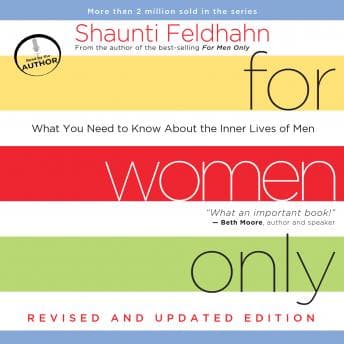
Here's what got my attention: Feldhahn isn't just sharing opinions dressed up as wisdom. She's got a Harvard degree, Wall Street and Capitol Hill experience, and she surveyed thousands of men with actual methodology. As someone who's built strategy decks on flimsier data, I respect the rigor. The "respect over love" finding - that men would rather feel unloved than disrespected - she backs it with numbers. Not feelings. Numbers.
The provider anxiety section hit different. She breaks down how men internalize financial pressure as identity pressure. I watched my dad carry that weight running the dry cleaning shop for thirty years. He never articulated it. Couldn't, probably. But Feldhahn puts language to something I'd observed my whole life without naming.
Where It Gets Uncomfortable
The visual wiring chapter. Look, I'm Korean-American and grew up in a culture where you don't discuss this stuff. Feldhahn goes there - explains why men notice attractive women even when they're committed, how it's neurological before it's moral. She's not excusing behavior, she's explaining circuitry. The brain research additions in this updated edition actually strengthen the argument. Whether you're comfortable with that framing is another question.
The section on why sex is emotional for men, not just physical? That's the insight most women apparently miss. She flips the conventional narrative completely. My wife paused the audiobook at that chapter and we had a conversation that - well, let's just say it was more productive than couples therapy at a fraction of the cost.
Feldhahn Narrating Her Own Work
She reads it herself, which usually makes me nervous. Authors aren't narrators. But she's clear, conversational, doesn't oversell her own material. No dramatic pauses where they don't belong. No vocal fry. Just a woman explaining research like she's talking to a friend over coffee. At 1.5x speed (I was generous), it flows naturally.
The new chapter on why men "check out" - that zoned-out thing where we seem mentally absent - she explains it as a processing mechanism, not disengagement. I've been accused of this exact behavior in meetings and at home. Apparently it's not rudeness, it's compartmentalization. Jenny found this validating. I found it vindicating. Same outcome.
The Christian Framework - Worth Mentioning
This comes from a faith-based perspective. It's not preachy, but it's present. If that's not your thing, you'll notice it. If it is your thing, you'll appreciate the grounding. Either way, the research stands on its own. The data doesn't require you to share her beliefs to find the insights useful.
Who Should Listen (And Who Should Skip)
Women in relationships who've ever thought "why does he DO that?" - this is your operating manual. Single women who want to understand the men they'll eventually date - solid prep work. Men who want to hand their partner a cheat sheet instead of explaining themselves - just send her the Audible link.
Skip it if you want validation that men are simple creatures. Feldhahn argues the opposite - that male inner lives are complex, just differently structured. Not Your Mother's Rules takes a different approach - less about understanding complexity, more about tactical execution - and honestly, it shows in the results. If you're looking for ammunition rather than understanding, you'll be disappointed.
The Consulting Take
Bottom line: In my world, we'd call this a stakeholder analysis. Understanding what drives the other party's decisions, fears, motivations. Feldhahn did the research, synthesized the findings, and delivered actionable insights in under five hours. That's a better ROI than most business books twice this length.
Jenny says I'm treating our marriage like a client engagement. She's probably right. But the relationship's improved since I listened, so maybe that's not the insult she intended.
The key takeaway is worth the listen. The other 3 hours? Actually, they're worth it too. That's rare.