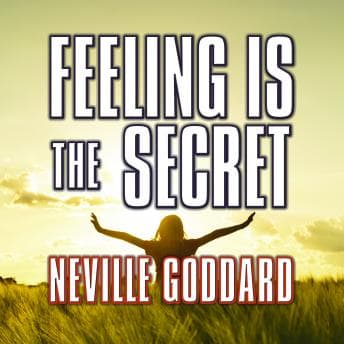

Forty-five minutes. That's it. I finished this audiobook while making dal makhani, and the lentils weren't even done simmering when Mitch Horowitz wrapped up his final thoughts.
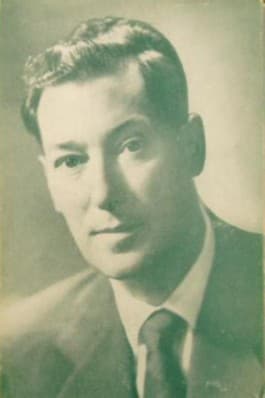
Here's the thing about Neville Goddard: the man wrote like someone who genuinely believed he'd cracked the code to reality itself. And maybe he had. Or maybe he was a charismatic mystic from Barbados who found a receptive audience in mid-century America. As a researcher, I'm skeptical of manifestation literature. As someone who studies why humans desperately need narratives to make sense of their lives? I find Goddard fascinating.
The Core Thesis (And Why It Actually Tracks Psychologically)
Goddard's central argument is deceptively simple: feeling is the secret. Not thinking. Not visualizing. *Feeling*. The emotional state you inhabit before sleep essentially programs your subconscious mind, which then shapes your waking reality.
Now, look. The research actually shows that emotional states do influence cognition, decision-making, and even physiological outcomes. Placebo effects are real. Self-fulfilling prophecies are documented phenomena. Goddard didn't have access to fMRI machines or controlled studies, but he was observing something genuine about how the human mind works—he just wrapped it in mystical language.
What makes this book compelling is its brevity. Goddard doesn't pad his ideas with endless anecdotes or testimonials. He states his case, explains the mechanism (as he understood it), and gets out. The conciseness forces you to actually sit with the concept rather than getting lost in filler.
Horowitz as Guide, Not Cheerleader
Horowitz doesn't just read Goddard's words—he contextualizes them. This edition includes his essay and timeline, which transforms a slim pamphlet into something approaching a scholarly experience. His voice has this measured, contemplative quality that suits the material. Not preachy. Not breathless with enthusiasm. Just... considered.
I appreciated that he doesn't oversell. There's no "this will change your life in seven days!" energy here. Horowitz treats Goddard as a serious thinker worth engaging with, even if you ultimately disagree with his metaphysics. That respect comes through in the narration.
Philosophy, Not Self-Help (With a Caveat)
This is a fascinating case study in early self-help philosophy. Goddard was writing in the 1940s, and you can trace a direct line from his work to modern manifestation culture, The Secret, and countless Instagram accounts promising abundance through mindset shifts.
But here's where my therapist would have thoughts: Goddard's framework doesn't account for structural barriers, systemic inequality, or the very real limits of individual agency. The idea that you can "feel" your way to health, wealth, and happiness puts enormous responsibility on the individual—which can become toxic when applied to circumstances genuinely beyond someone's control.
Psychologically, this doesn't fully track. Yes, emotional states matter. Yes, belief influences behavior. But the leap from "feeling affects perception" to "feeling creates material reality" is... significant. Goddard makes that leap with absolute confidence. Whether you follow him depends on your tolerance for mysticism.
Listen If You're Curious About Manifestation's Origins—Skip If You Want Actionable Steps
If you're curious about the philosophical roots of manifestation culture, this is essential listening. Under an hour, well-narrated, historically significant. It's like reading Freud—you don't have to agree with everything to find value in understanding the source material. Skip it if you want practical self-help with evidence-based strategies; Goddard assumes you'll figure out the application yourself. He's more prophet than coach.
My Prescription
I found myself asking: why does manifestation philosophy persist across decades and cultural shifts? Goddard's answer—that humans are fundamentally creative beings whose inner states shape outer reality—is seductive precisely because it offers agency. In a world that often feels chaotic and uncontrollable, the idea that your feelings matter, that your inner life has power, is deeply appealing.
Is it true? Partially, I think. The research supports the connection between emotional states and outcomes, just not the mystical mechanism Goddard proposes. This Naked Mind takes a similar approach—examining how our beliefs shape behavior—but grounds it in neuroscience rather than metaphysics.
Worth forty-five minutes of your life? Absolutely. Worth building your entire worldview around? That's between you and your therapist.