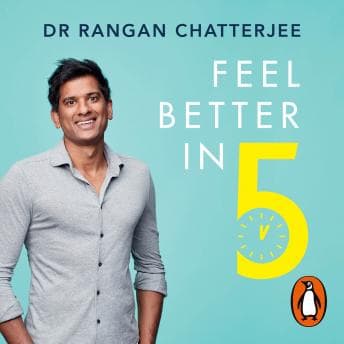

I was halfway through chopping onions for a dal that was definitely going to be too spicy—my mother's recipe, which I always mess up—when Dr. Chatterjee started explaining his "health snapshots." And I stopped. Knife down. Because here was a physician essentially describing behavioral psychology principles I teach my undergraduates, except he was making them sound... doable.
This is a fascinating case study in how to actually change human behavior. Not the aspirational nonsense most self-help peddles.
The Psychology Actually Tracks
Look, I've read approximately four hundred books on habit formation for my research. Most of them get the science right and the application catastrophically wrong. They tell you to overhaul your entire life starting Monday. The research actually shows this is exactly how you guarantee failure.
Chatterjee does something smarter. He structures everything around five-minute interventions across three domains—mind, body, and heart. Five minutes. That's it. And before you roll your eyes (I did, initially), this maps directly onto what behavioral scientists call "tiny habits"—which makes sense given the audiobook includes an interview with BJ Fogg, the Stanford researcher who literally wrote the book on that concept.
What makes this character—and yes, I'm analyzing the author as a character, it's what I do—compelling is his genuine belief that small changes compound. He's not performing enthusiasm. Twenty years of GP practice has apparently given him a realistic view of human willpower, which is to say: we don't have much of it. Design around that limitation instead of pretending it doesn't exist.
The Now Habit makes a similar argument about willpower being a design problem rather than a character flaw—though it comes at the same insight from the procrastination angle, which honestly hits closer to home for me.Why Author-Narration Works Here
Chatterjee narrates his own book, and this matters more than usual. His voice has this quality—warm, unhurried, British in that reassuring way—that makes the whole thing feel less like a lecture and more like advice from a friend who happens to have medical training. One listener described feeling like he was "talking to me and somehow knows about my history of anxiety." I found myself asking: why does this land differently than other health books?
Partly it's the conversational delivery. But partly it's structural. The audiobook includes podcast excerpts from his show "Feel Better, Live More," which breaks up the instructional content. Clever production choice. Keeps you from zoning out during the inevitable "here's why gut health matters" sections.
No dramatic sound effects. No meditation music interludes. Just a doctor talking to you like you're a reasonable adult who might actually follow through on something manageable.
Where My Therapist Would Have Thoughts
Here's my issue, and it's not small: this book assumes you have five minutes. Three times a day. That's fifteen minutes total, but it requires you to remember to do three separate things at three separate times. For someone with anxiety—which Chatterjee explicitly addresses—that's three opportunities daily to feel like you've failed.
The book provides workarounds. You can combine interventions. You can start with one. But I wish he'd spent more time on what happens when you miss a day. Or a week. Or a month. The psychology of getting back on track after falling off is where most people actually need help.
Also, the accompanying PDF with exercises? Essential for the strength and yoga portions. Audio-only works for the breathing and mindset content, but you'll want those visual references. Plan accordingly.
Who Should Listen (And Who Should Skip)
If you're the type who buys self-help books, reads the first chapter, feels inspired, and then never opens it again—this might actually work for you. The five-minute constraint is psychologically sound. It removes the "I don't have time" excuse that lets us off the hook.
If you're already doing hour-long workouts and have an elaborate morning routine, this will feel too basic. You're not the target audience. Move along.
If you're skeptical of wellness culture but curious about evidence-based approaches to feeling less terrible, Chatterjee threads that needle reasonably well. He cites research without being insufferable about it. (My therapist would have thoughts about how rare that is.)
The Priya Assessment
At five hours and change, this is a quick listen. I finished it across three cooking sessions and one morning jog where I was too tired to want anything demanding. Perfect for that. The content isn't revolutionary—eat better, move more, breathe intentionally, connect with humans—but the packaging is genuinely clever.
Each little success builds upon another little success. That's not just marketing copy. That's how behavioral change actually works. Chatterjee understands human nature, or at least understands the research on it, which is close enough.
Would I assign this to my students as an example of applied psychology? Maybe. Would I recommend it to my mother, who keeps asking why I look tired? Definitely. She'd actually do the five-minute breathing exercises. And honestly, so might I.