
I've sat through briefings delivered by lieutenants who clearly rehearsed in front of a mirror for three hours, and I've sat through briefings from sergeants who sound like they're reading their grocery list. This audiobook? It's got both. In the same collection. Sometimes back to back.
I was on a late-night drive back from a client site in Houston—four hours of nothing but highway and the occasional deer trying to commit suicide by Silverado—when I decided ghost stories seemed appropriate. Dark roads, empty stretches, why not? What I got was a crash course in why volunteer narration is both a beautiful thing and occasionally a form of acoustic torture.
The Roulette Wheel of Readers
Here's the deal with LibriVox collections: you're playing narrator roulette. Some of these volunteers? Genuinely excellent. There's one male reader—I wish I'd caught his name—whose intonation and pacing made me forget I was listening to a free recording. Clear as a drill sergeant, but with actual warmth. The characters in his story felt like people I'd met.
Then you get the next story and it's someone reading at a pace that would make an auctioneer say "slow down, buddy." Or worse, someone reading so slowly you start checking if your phone froze. I found myself adjusting speed constantly—bumping up to 1.5x for the slow ones, dropping back to normal for the good ones. It's work. More work than I want from entertainment.
And the accents—I'm not one to complain about regional voices, but some of these American readers have this particular nasal quality that grates after a while. The British readers generally fared better, which is ironic given these are supposedly "modern" American ghost stories.
The Stories Themselves Hold Up
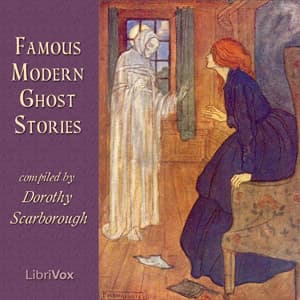
The actual content—the ghost stories Dorothy Scarborough curated back in the day—they're solid. These aren't jump-scare garbage. They're slow-building atmospheric pieces that understand dread better than most modern horror. Guest List: A Novel works the same way—building tension through atmosphere rather than cheap tricks. The kind of stories that make you check your rearview mirror one too many times on a dark highway.
The collection covers different "types" of ghosts, which I appreciated. You get your vengeful spirits, your melancholy haunts, your genuinely unsettling presences. It's like a field manual for supernatural encounters. Whispers covers similar ground with its variety of supernatural threats, though with less consistency. (If such a manual existed, I'd have read it during my first deployment. Some of those ancient sites in Iraq felt... off.)
At nearly ten hours, it's a commitment. And unlike a well-produced audiobook where you can zone out and still follow along, this one demands attention. The variable quality means you can't just set it and forget it. Miss a transition between narrators and you might think you're having a stroke when the voice suddenly changes.
Who's This Actually For?
If you've got a LibriVox tolerance—and some people genuinely do—this is a decent collection of classic supernatural fiction. It's free, which counts for something. But if inconsistent audio quality pulls you out of a story, if you need professional polish, skip this one entirely.
Best listening context? Something where you can actively manage it. Not background noise. Not sleep listening—you'll either be jarred awake by a too-loud narrator or lulled into unconsciousness by a too-quiet one. Maybe housework where you can reach your phone easily to skip or adjust.
Ranger wasn't impressed, for what it's worth. He kept looking at me every time the narrator changed, like he was asking "is this supposed to happen?" Fair question, buddy.
After-Action Report
This is a free resource doing its best with volunteer labor, and I respect that mission. Some of these readers clearly put in real effort and delivered quality work. Others... didn't. The stories themselves are worth experiencing if you're into classic ghost fiction, but this particular delivery method requires patience I don't always have.
Worth your time? If you're cheap and patient, yes. If you value consistency and professional production, stream something else. This is a borrow-or-stream situation at best—you're not paying for it anyway, so the stakes are low. Just don't expect military precision in the execution.