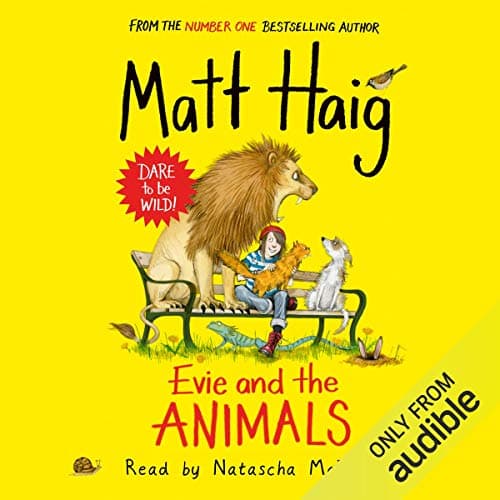

This is the best children's audiobook to put on during a long car ride with a six-year-old and actually enjoy yourself.
The Setup That Hooks Both Kids and Parents
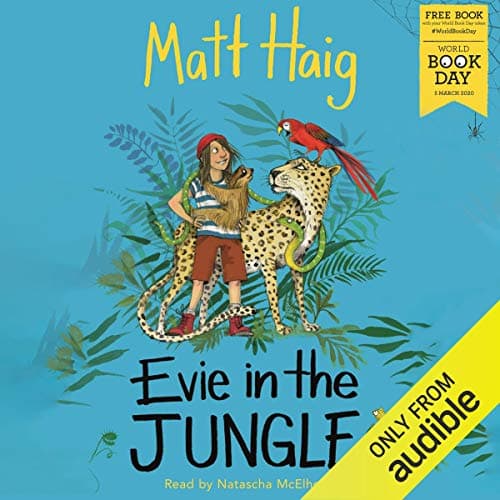
Matt Haig opens with a girl who can talk to animals — and has been forbidden from doing it. That's the tension, and it kicks in fast. Evie freed Gerald the school rabbit (who was, by all accounts, miserable in his classroom hutch), got in trouble, and made a promise to her dad: no more talking to animals. For a whole year, she keeps that promise. She ignores the birds. She ignores the dogs. She even ignores a silver tabby cat crying "Help me! Help me!" And then a missing poster appears with that same cat's face on it, and the promise shatters.
What makes this work beyond a standard talking-animals premise is that Haig treats Evie's gift as a burden. She doesn't just miss chatting with creatures — she's actively turning away from animals in distress. The guilt of that silence drives the story forward with real emotional weight, even within a framework that stays age-appropriate and never veers into darkness that would unsettle a five-year-old.
How McElhone Handles the Animal Voices
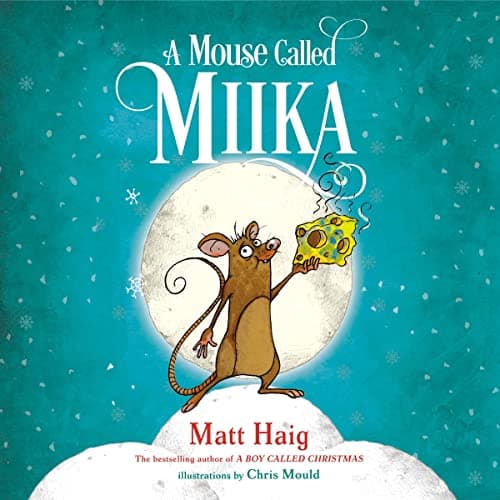
Here's where the audio format earns its keep. Natascha McElhone gives Gerald the rabbit a twitchy, anxious quality — you can almost hear his nose wiggling. The silver tabby sounds desperate and small. The dogs have a completely different energy, bouncier and less self-aware. These aren't just "funny animal voices" slapped on for laughs. Each creature sounds like it has its own interior life, its own way of processing the world. McElhone brings that same careful interiority to every small creature in A Mouse Called Miika — another audiobook where the animal's inner monologue is the whole point, and she doesn't waste a syllable of it. When Evie finally breaks her silence and starts communicating again, the relief in McElhone's voice sells the moment better than any page-turn could.
The human characters get distinct treatment too, though the animals are where McElhone really shines. The villain sounds appropriately menacing without crossing into nightmare territory — a tricky line to walk when your audience might be listening at bedtime.
Who Should Listen (And Who Should Skip)
Let me be direct about the audience here, because it matters for whether you spend a credit. This is a children's book. Ages five through nine, roughly. It runs just over four hours, chapters are short enough to work as individual bedtime installments, and each chapter ends with a small hook designed to make kids beg for one more. That's intentional structure, and it works beautifully in audio.
If you're a parent or caregiver looking for shared listening, this is where the book excels. The mystery — animals disappearing across town, Evie investigating — gives it enough momentum that adults won't zone out. The themes about responsibility, empathy, and the cost of staying silent when you could help are handled with a light enough touch that kids absorb them without feeling lectured.
But if you're an adult looking for a solo listen with complex world-building or layered plotting, this isn't going to scratch that itch. The villain's motivations are straightforward. The resolution comes together cleanly. There are no twists that'll make you rethink everything. That's not a flaw — it's the right choice for the audience.
Compared to something like Bridge to Terabithia, which shares the same shelf but deals in genuine tragedy, Evie and the Animals keeps its peril gentle. The danger feels real enough to create tension but never so real that a young listener will be frightened. If your kid handled A Boy Called Christmas — Haig's other well-known children's book — they'll be right at home here, though Evie skews slightly younger and has a tighter, more focused plot.
The four-hour runtime is actually a strength. At full price, a credit on something this short might give you pause, but for family listening it's the ideal length — long enough to feel like a real story, short enough to finish in a weekend of car rides or a week of bedtimes. I'd lean toward streaming this through a subscription service unless you know you'll replay it, which, with kids, is entirely possible.
Haig's talent here is writing animals that feel like characters rather than props, and McElhone's talent is making you hear the difference between a brave cat and a nervous rabbit without either one becoming a cartoon. That combination makes Evie and the Animals one of the stronger picks in the children's audiobook space — specific praise for a specific audience, and worth acting on if that audience is sitting in your backseat.