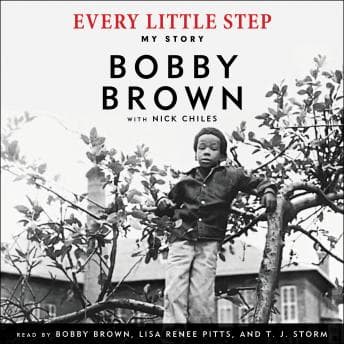

Look, I'll be honest—I went into this one with low expectations. Celebrity memoirs are usually ghost-written fluff pieces designed to rehabilitate images and sell perfume. And Bobby Brown? The tabloid version of this guy has been living rent-free in pop culture's head for three decades. So when I hit play, I was ready to be disappointed.
I was wrong. Pretty much completely wrong.
The Unpolished Truth Actually Works
Here's the thing about Bobby Brown narrating his own book—it's rough. Like, noticeably rough in the beginning. The pacing is off, the delivery feels awkward, and you can almost hear him figuring out how to read into a microphone. My 2.0x speed couldn't save those first couple chapters.
But then something shifts. He finds his rhythm. And suddenly that lack of polish becomes the whole point. This isn't a performance—it's a confession. When he talks about Whitney, about addiction, about watching his daughter die, you're not listening to an actor interpret someone else's pain. You're hearing it from the source. Raw. Unfiltered. The kind of honesty that a professional narrator would've smoothed out into something more palatable and less true.
Lisa Renee Pitts and T.J. Storm jump in for certain sections, which gives your ears a break and adds some variety. Smart production choice. But make no mistake—this is Bobby's show.
What My Parents Would Recognize
The early chapters about growing up in Boston, watching his family struggle, the hunger that drove him to New Edition—this is the stuff that hit different for me. My parents didn't have Bobby's talent, but they had that same desperate hustle. That same understanding that you either make it or you don't, and nobody's coming to save you.
Bobby talks about the music industry the way my dad talks about the dry cleaning business—as a system designed to extract value from people who don't know any better. The difference is Bobby learned to play the game. For a while, anyway. The New Edition stuff alone is worth the listen if you're interested in how the sausage gets made in entertainment. The politics, the money, the betrayals. It's basically a case study in why you need a good lawyer. Extreme Ownership breaks down similar organizational failures, though Jocko's talking about combat missions instead of record deals—same principles apply when leadership structure collapses.
The Whitney of It All
Let's be real—this is why most people pick up this book. The marriage. The drugs. The headlines. And Bobby doesn't shy away from any of it.
But here's what surprised me: he's not trying to make himself look good. He admits to the cheating, the violence, the chaos. He also pushes back hard on the narrative that he introduced Whitney to drugs. Whether you believe him is up to you. But he makes his case, and he makes it with specifics.
The sections about her death, and later his daughter Bobbi Kristina's death, are genuinely difficult to listen to. This isn't performative grief. It's a man who lost the two most important women in his life to eerily similar circumstances, trying to make sense of it. Jenny would say I'm being harsh when I say most celebrity memoirs are trash. Jenny is right. But this one earned its emotional moments.
The Bottom Line
Is this worth nine hours of your time? If you're a Bobby Brown fan, absolutely. If you're interested in the music industry, celebrity culture, or addiction and recovery, yes. If you want polished, professional narration, skip it—you'll spend the first hour wincing.
Bobby's life has been genuinely wild—not tabloid-manufactured wild, but the kind of chaos that happens when you give a teenager from the projects millions of dollars and zero guidance. I've seen this pattern fail at three different companies: early success, no infrastructure, inevitable implosion. Bobby lived it in the most public way possible. The fact that he's still here, still performing, still willing to talk about all of it? That's not nothing. The survival story here has weight—not the polished redemption arc you'd get in something like Far Away and Long Ago, but the messy, ongoing kind where you're still figuring it out.
Skip to chapter 5 if you want to get past the narration growing pains. Thank me later. But honestly? Push through from the beginning. The awkwardness is part of the authenticity.





![Steve Jobs [unabridged audiobook] audiobook cover](/_next/image?url=https%3A%2F%2Fcovers.audiobooks.com%2Fimages%2Fcovers%2Ffull%2F9788499923406.jpg&w=1920&q=75)