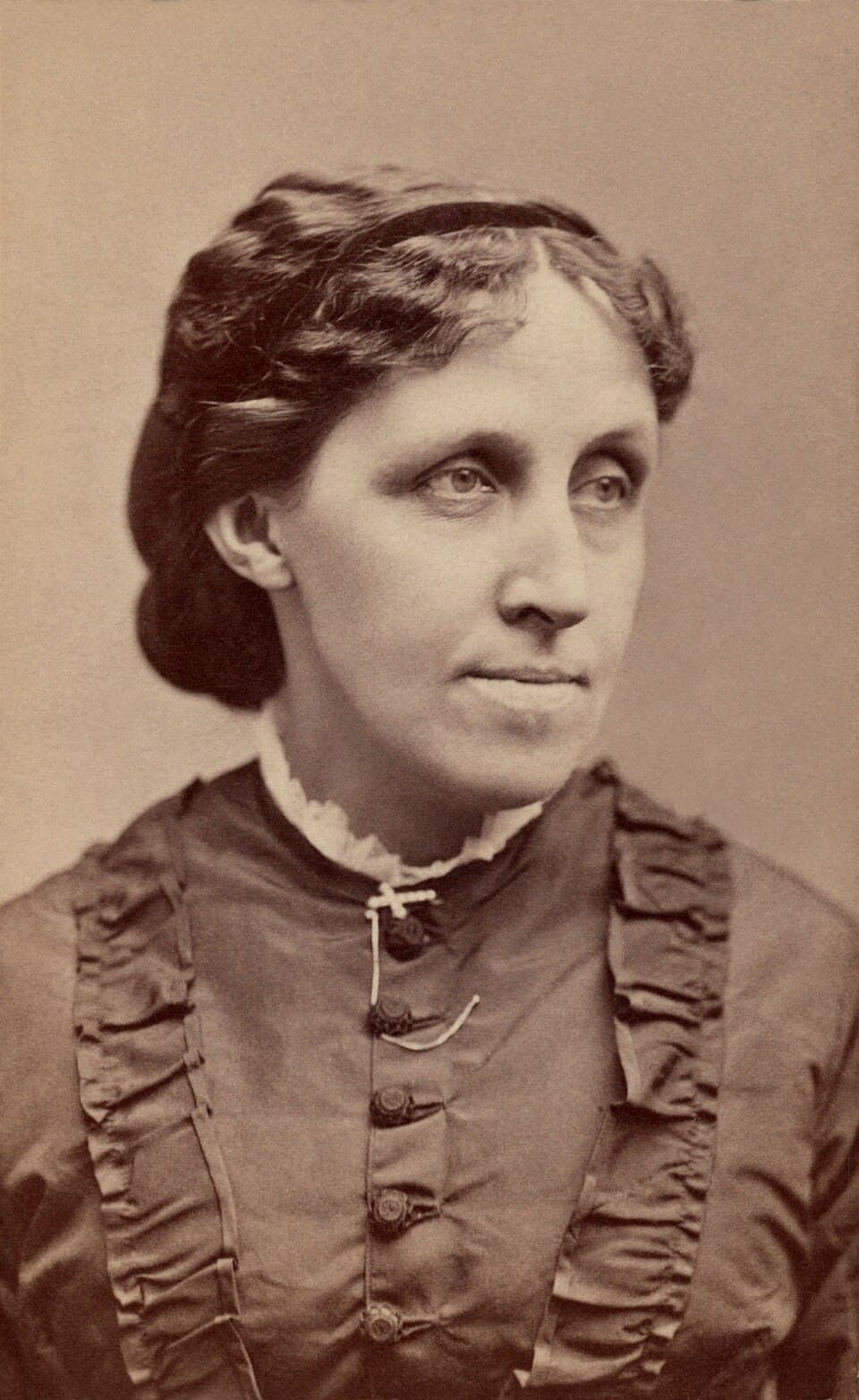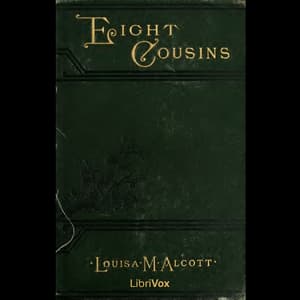

Look, I have a complaint. Louisa May Alcott wrote a book about a wealthy orphan girl surrounded by seven rambunctious boy cousins and a progressive uncle who throws out corsets and force-feeds her fresh air instead of medicine - and somehow she made it so relentlessly wholesome that my cynical, paper-grading, coffee-dependent soul didn't know what to do with itself. I'm a man who teaches sixteen-year-olds who think Holden Caulfield is "mid." I was not prepared for this much earnestness.
But here's the thing. I listened to the whole seven hours and seventeen minutes. Every last one. And I didn't hate it. I kind of loved it.
Uncle Alec Is the Teacher I Wish I Could Be
Let's talk about what Alcott is really saying here, because underneath the sugar - and yes, there's sugar, we'll get to that - there's a surprisingly sharp argument about how we raise children. Uncle Alec shows up after Rose has been coddled into frailty by her well-meaning aunts. He takes away her coffee. He makes her exercise outdoors. He tells her to stop reading sensational novels. This was 1875, and Alcott was essentially writing a manifesto about progressive child-rearing disguised as a children's story.
What got me was how specific Alcott makes the critique. Aunt Myra is the hypochondriac who projects anxiety onto Rose. Aunt Clara spoils her own children into uselessness. Aunt Plenty means well but defaults to tradition. Each aunt represents a different failure mode of care, and Uncle Alec has to navigate them all without being a jerk about it. As someone who sits in parent-teacher conferences watching well-intentioned adults make baffling choices about their kids' education, this hit closer to home than any 150-year-old novel has a right to.
And the Phebe subplot - Rose's friendship with the maid - is Alcott doing what she always does: quietly insisting that class shouldn't determine a person's worth. It's not subtle. Alcott was never subtle. But it's genuine, and in 2024, watching my students navigate their own class divisions in a Chicago public school, genuine counts for something.
Clarica and the Art of Not Getting in the Way
Clarica's narration is - and I mean this as a compliment - like a warm bath. Her voice is soothing in a way that suits Alcott's prose perfectly. She doesn't try to do dramatic voice acting or turn Rose's quiet moments into Broadway performances. She reads with the kind of steady, gentle pace that lets Alcott's sentences breathe.
That said, I wanted more differentiation. Seven boy cousins plus multiple aunts plus Uncle Alec is a lot of characters, and Clarica doesn't always give them distinct enough vocal signatures. The Mac-Charlie-Archie trio in particular blurred together for me during the livelier group scenes. When Uncle Alec speaks, there's a slight shift in register that works well - more measured, more authoritative - but the cousins could've used sharper distinction. It's a LibriVox production, so I'm grading on a curve here. You're getting this for free, and the audio is clean and consistent. No weird background noise, no jarring edits. For volunteer narration, that's worth appreciating.
I listened at 1.0x, naturally, because the author chose those words. But I'll admit this is one where 1.15x wouldn't be a sin. The pacing is gentle. Very gentle. I was grading sophomore essays on The Great Gatsby at 11 PM on a Tuesday, and Clarica's steady delivery was the perfect counterbalance to reading seventeen variations of "Gatsby was rich and sad." But if you're listening during a commute or while trying to stay alert, you might want a slight bump.
The Sugar Problem (And Why I Don't Entirely Mind It)
I can't write this review without addressing the elephant: this book is sweet. Painfully sweet at times. One listener called it "painful like too much sugar to one's teeth," and I get that. Rose's transformation from sickly waif to healthy, confident girl happens with remarkably little friction. The cousins are rowdy but never truly cruel. Uncle Alec is progressive but never seriously challenged. Conflicts resolve within chapters.
My students would hate this. I love it. Not because it's great literature - it's not Middlemarch, it's not even Little Women - but because Alcott is doing something deliberate. She's writing a world where kindness works. Where a good guardian and fresh air and genuine friendship actually fix things. It's aspirational fiction, and after twenty years of watching real kids struggle with problems that don't resolve in a chapter, sometimes aspirational is exactly what you need.
Is it for everyone? Absolutely not. If you need moral ambiguity and complex antiheroes, go listen to Dostoevsky. But if you loved Little Women, this is its spiritual successor - lighter, simpler, but cut from the same cloth.
Who Gets a Hall Pass for This One
Alcott completists, obviously. Parents looking for something to listen to with younger kids. Teachers who want a palate cleanser after grading season. And honestly, anyone who's feeling beaten down by the world and wants seven hours of someone insisting that people can be good. It's comfort food. The narration won't blow your mind, but it won't distract you either. Paris Seamstress scratched a similar itch for me - that particular flavor of warm, uncomplicated storytelling that doesn't apologize for being exactly what it is. Skip it if sweetness makes you itch, or if you need your audiobooks to justify a credit. This one's free on LibriVox - treat it accordingly.
The Grade I'd Write in the Margin
B-minus as literature, but an A for knowing exactly what it wants to be. Alcott wasn't trying to write the great American novel here. She was trying to write a story that would make a lonely kid feel less alone, and 150 years later, sitting in my kitchen at midnight with a stack of ungraded papers, it still does that. Worth pausing the faculty meeting for? Maybe not. Worth a quiet evening walk along the lakefront with Denise? Yeah. Yeah, it is.