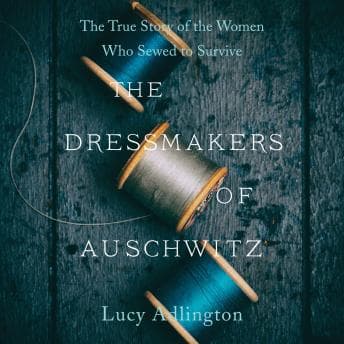

Let me cut to the chase: I expected this book to be about sewing. It's not. It's about survival, and the needle and thread are just the weapons these women wielded.
I finished this one during a late-night drive back from a client site in Houston. Linda was asleep in the passenger seat, Ranger was snoring in the back, and I had twelve hours of Lucy Adlington's research keeping me company through the Texas darkness. Seemed fitting, somehow - listening to stories of women enduring impossible conditions while I complained about gas station coffee.
The Mission Brief You Never Knew Existed
Here's what got me: I've read plenty of Holocaust history. Studied it at the War College, visited the camps during a NATO assignment in Germany. Thought I knew the major angles. That same feeling of discovering hidden history hit me with History of Prostitution - another story about women's work that gets conveniently erased from the official record. But this Upper Tailoring Studio? Never heard of it. Twenty-five women - mostly Jewish, some barely teenagers - sewing haute couture for the wives of the men running the death machine around them. The camp commandant's wife, Hedwig Höss, setting up what was essentially a private fashion boutique inside Auschwitz-Birkenau.
The author clearly did her homework here. Adlington spent over twenty years as a clothes historian, and it shows. She traces individual garments, explains the technical skill required, and connects the dots between Nazi looting operations and the fabrics these women were forced to work with - sometimes literally the clothes stripped from arriving prisoners.
What hit me hardest was the interview material with Mrs. Kohut, the last surviving dressmaker. There's something about hearing a firsthand account - even filtered through Adlington's narration - that cuts through the historical distance. These weren't abstract victims. They were skilled professionals who used their expertise as a bargaining chip against death.
Where the Stitching Gets Loose
Now, the honest debrief. This is where it lost me in places. Adlington narrates her own work, which I generally respect - author knows the material better than anyone. Her voice is clear, unsentimental, educational. But it's not dramatic. And with a book tracking twenty-five women plus their families, guards, and Nazi wives, keeping everyone straight becomes a genuine tactical challenge.
I found myself rewinding a few times. "Wait, is that Marta or Bracha? Which sister is this?" The pacing runs slow - deliberately so, because Adlington wants you to understand the historical context, the Nazi bureaucracy of theft, the social dynamics of the camp. But at 12 hours, some sections felt like being briefed on logistics when you wanted the mission itself.
I listened at 1.25x, my usual speed, and it helped considerably. At normal pace, I think the methodical approach might've tested my patience more.
The Resistance Thread
What saves this book - what makes it worth your time - is the resistance angle. These women weren't just surviving. They were sabotaging when they could, maintaining their humanity through friendship and family bonds, and in some cases actively participating in camp resistance operations.
There's a particular kind of courage in that. I've seen men in combat situations who had weapons, training, backup. These women had needles and the knowledge that any mistake meant the gas chambers. The author threads their individual acts of defiance into the larger picture of how the Nazis' greed created vulnerabilities they exploited.
The hypocrisy angle is sharp too. Nazi wives demanding Parisian fashion while their husbands ran extermination operations. The cognitive dissonance required to sit for a fitting with a Jewish seamstress you could have murdered on a whim. Adlington doesn't editorialize heavily - she doesn't need to. The facts speak for themselves.
Who Should Deploy With This Book (And Who Should Skip)
If you're looking for a quick, emotionally manipulative Holocaust story, look elsewhere. This is scholarly work that happens to be accessible. You'll learn about textile history, Nazi plunder operations, camp social hierarchies, and the specific fates of individual women. It requires focus - not background listening material. Skip it if you need fast pacing or struggle with tracking large casts without visual aids.
If you do struggle with keeping multiple characters straight, the supplemental PDF might help. I didn't use it (driving), and I managed, but it would've made the experience smoother.
Anyone who's ever dismissed "women's work" as trivial should listen to this. These seamstresses survived because their skills were valuable enough to delay death. That's not trivial. That's tactical.
Mission Debrief
Ranger approved this one, though he slept through most of it. I didn't. The slow pacing and character-tracking challenges are real, but the story underneath is one I hadn't heard before - and I thought I'd heard them all. Worth your time if you're willing to pay attention. Not every book needs to explode to matter.








![Steve Jobs [unabridged audiobook] audiobook cover](/_next/image?url=https%3A%2F%2Fcovers.audiobooks.com%2Fimages%2Fcovers%2Ffull%2F9788499923406.jpg&w=1920&q=75)