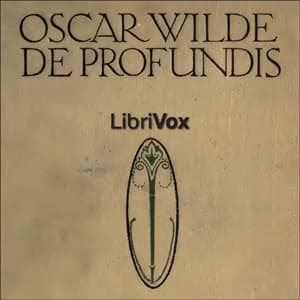

What do you write when you've lost everything—your reputation, your freedom, your lover, your art—and all you have left is a pen and paper in a prison cell?
I was up at 2 AM, couldn't sleep, Frida curled against my chest and Diego sprawled across my feet like furry anchors. The apartment was dark except for my phone screen, and I thought—okay, let's try something different. Something raw. Oscar Wilde writing from the depths of Reading Gaol felt appropriately dramatic for my insomniac mood.
And then I cried for almost two hours straight.
Love Letters Written in Devastation
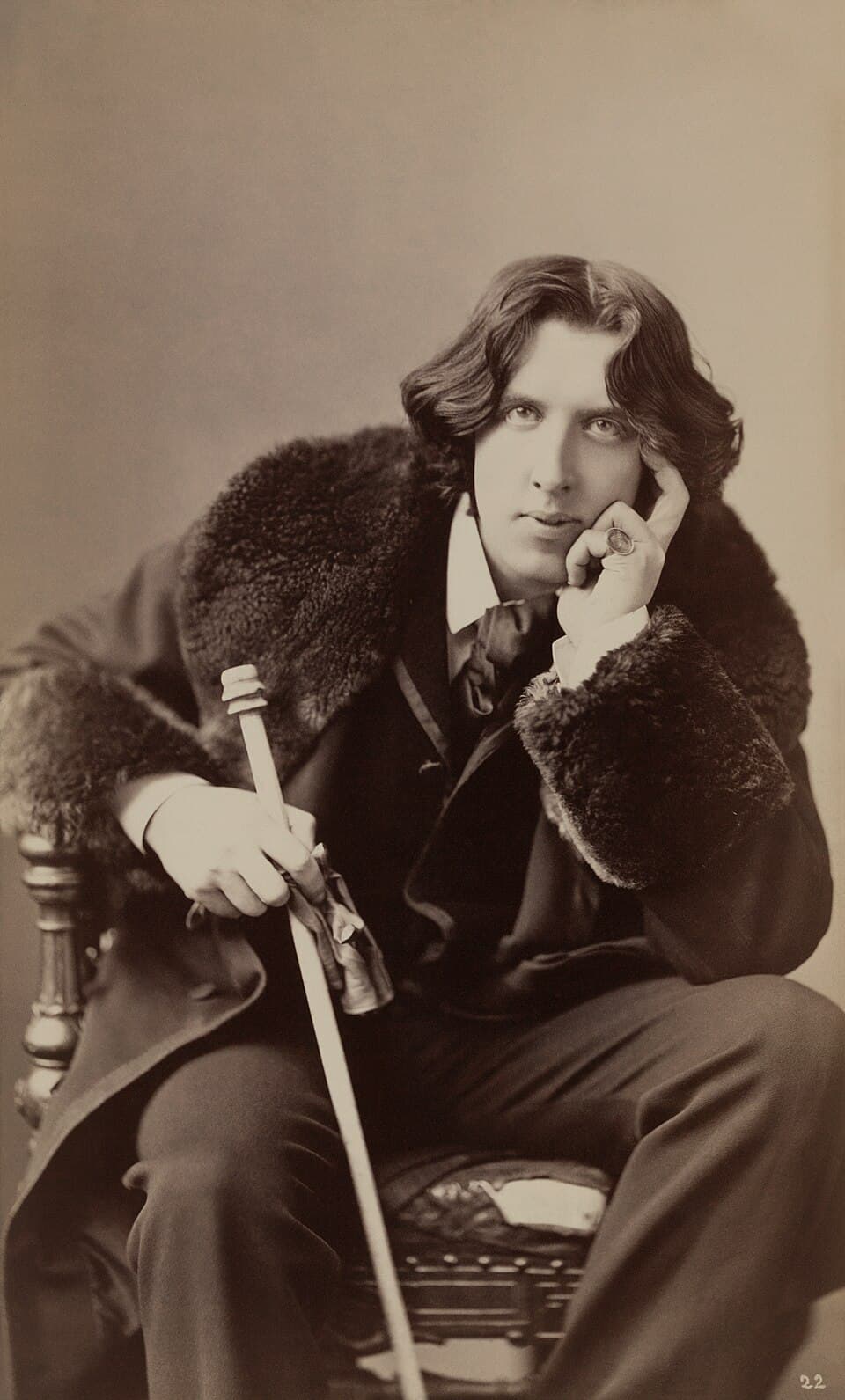
This isn't a book. It's not even really a letter, though that's what Wilde called it. It's a man taking apart his own heart and laying the pieces on the page, examining each one with brutal honesty. He's writing to Lord Alfred Douglas—"Bosie"—the man he loved, the man whose father's vendetta put Wilde in prison, the man who Wilde simultaneously adores and indicts.
The thing that wrecked me? Wilde doesn't just blame Bosie. He blames himself. He catalogs his own weaknesses with the same devastating precision he uses for Bosie's cruelty—how he let himself be distracted from his art, how he funded Bosie's extravagant lifestyle, how he chose pleasure over purpose. At one point he describes how their relationship devolved into a cycle of quarrels and reconciliations, and I had to pause because my chest physically hurt.
Abuela would have LOVED this one. She had a thing for tragic love stories—the more doomed, the better. She would have clutched her rosary and whispered "ay, pobrecito" and then lectured me about men who ruin themselves for the wrong person. She had the same reaction to Exodus: A Novel of Israel—all that passion and sacrifice for a dream that kept slipping away.
Aaron Elliott's Quiet Restraint
Here's the thing about narrating Wilde—you could go full theatrical. The man was famous for his wit, his flamboyance, his quotable brilliance. Elliott doesn't do that. He reads De Profundis with this measured, almost meditative quality that initially surprised me. No dramatic flourishes. No vocal fireworks.
But as the letter unfolds, I understood the choice. This isn't Wilde the wit. This isn't Wilde the playwright crafting bon mots for London society. This is Wilde stripped bare, humiliated, broken. Elliott's restraint honors that. When Wilde describes the moment he was forced to stand in prison garb at a railway platform while people laughed and spat at him—Elliott's voice goes so quiet you have to lean in. Devastating in its simplicity.
At under two hours, this is a single sitting experience. I didn't move except to wipe my face. The brevity works—any longer and the emotional intensity might become unbearable.
When Suffering Becomes Philosophy
What surprised me most was how Wilde transforms his suffering into something almost spiritual. He writes about sorrow as a teacher, about how prison has given him clarity he never had in his life of pleasure. There's this passage where he talks about Christ—not as a religious figure, but as an artist of sympathy, someone who understood that suffering could be beautiful.
I'm not religious. Abuela was, deeply. But listening to Wilde grapple with meaning in the darkness, trying to find redemption not through faith but through art and understanding—it felt like watching someone build a lifeboat out of wreckage. Whether he succeeds is almost beside the point. The attempt itself is gorgeous and heartbreaking.
Who Will Cry With Me (And Who Should Walk Away)
If you need plot, action, or anything resembling a traditional narrative—this isn't it. It's one long, winding meditation. It circles back on itself. It contradicts itself. Wilde forgives Bosie and condemns him in the same paragraph. Skip it if you want structure or resolution.
But if you've ever loved someone who wasn't good for you—if you've ever tried to understand how you ended up somewhere you never imagined—if you've ever needed to write your way out of the dark—this will gut you.
I listened at 1.0x because rushing felt wrong. Like skipping through someone's confession. Like not giving Wilde the respect of sitting with his pain.
Ay, Mi Corazón
I finished as the sun was coming up, both cats now awake and staring at me like I'd lost my mind. Maybe I had, a little. I'd just spent the pre-dawn hours with a ghost—a man dead over a century, writing words that still feel like they're bleeding.
De Profundis isn't comfortable. It's not entertaining in any conventional sense. But it's one of the most honest things I've ever heard. Wilde wrote it knowing it might never be published, knowing Bosie might never read it. He wrote it because he had to. Because putting the words down was the only way to survive.
That kind of writing—that kind of love, that kind of loss—doesn't come around often. Listen in the dark. Let yourself feel it.







![Steve Jobs [unabridged audiobook] audiobook cover](/_next/image?url=https%3A%2F%2Fcovers.audiobooks.com%2Fimages%2Fcovers%2Ffull%2F9788499923406.jpg&w=1920&q=75)