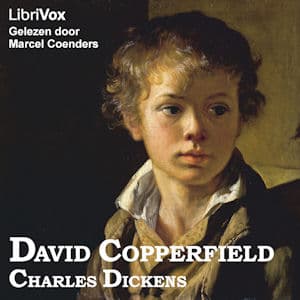

Fifty-seven hours. That's how long I spent with Marcel Coenders reading Dickens to me in Dutch, and honestly? I have complicated feelings about the whole thing.
Look, David Copperfield is Dickens at his most personal. This was his favorite of his own novels - the man wrote fourteen of them and picked this one. The autobiographical elements are everywhere: the child labor, the absent father, the desperate scramble for dignity. When Dickens writes about young David's humiliation at the blacking factory, you can feel the author bleeding onto the page. This is why we still read the classics. They're not dusty museum pieces - they're raw human documents. That same timeless quality is what makes Moby Dick worth the commitment, even when the narrator's pacing tests your patience.
The Voice in My Head for 57 Hours
Here's the thing about Marcel Coenders. He reads clearly. His Dutch pronunciation is impeccable. He respects the text. And for a LibriVox recording, the audio quality is surprisingly clean - no weird background hums or jarring cuts that pull you out of Victorian England.
But - and this is a significant but - the emotional range is... limited. Dickens wrote characters that practically leap off the page. Uriah Heep with his oily "'umbleness." The eternally optimistic Micawber. The cruel Murdstones. These are theatrical creations, and Coenders approaches them with the same measured, steady delivery he uses for everything else. It's like watching a beautiful painting through slightly foggy glass. You can see what's there, but some of the vibrancy is muted.
I found myself listening during late-night grading sessions - papers stacked high, red pen in hand, Coenders' steady voice keeping me company. And honestly? For that context, the consistency worked. I wasn't jolted out of my concentration. But during my lakefront walks with Denise, when I wanted to be swept up in the drama of David's journey, I sometimes wished for more fire.
Where the Translation Shines
The Dutch translation itself is faithful and clear. For Dutch-speaking listeners who want to experience this cornerstone of Victorian literature in their own language, this is a genuine gift. The long, winding Dickensian sentences - and good lord, Dickens loved a winding sentence - translate surprisingly well. The humor comes through. The social commentary lands.
This reminds me of what I always tell my students about translation: it's not just about converting words, it's about capturing intent. I've seen this done beautifully in Multilingual Fairy Tale Collection 002, where different languages reveal how the same story can carry completely different emotional weight. And this translation captures Dickens' intent - his anger at social injustice, his warmth for the downtrodden, his savage wit when skewering hypocrites.
The prose deserves to be savored, even in translation. Dickens was a performer - he did public readings that audiences went wild for - and his sentences have rhythm built into them. At 1.0x speed (yes, I'm that person), you can hear the cadence he intended.
The Commitment Question
Fifty-seven hours is not a casual commitment. That's roughly the length of driving from Chicago to Los Angeles. Twice. You need to really want this.
Who Should Listen (And Who Should Skip)
If you're a Dutch-speaking Dickens enthusiast who values clarity over theatricality, this is worth your time. If you're new to Dickens and want to be swept away by a dynamic performance, this might not be your entry point. The narration won't carry you through the slower sections - you'll need to bring your own enthusiasm.
My students would hate this. I love it. (Well, mostly.)
The content itself deals with some heavy Victorian realities - child labor, family trauma, social climbing and its costs. Dickens didn't flinch from the darkness of his era, and neither does this translation. But there's also genuine warmth here, and one of literature's great coming-of-age stories.
Would I Listen Again?
Parts of it, yes. The whole thing? Probably not - though I said the same thing about Middlemarch and look where that got me. There's something about having Dickens' favorite novel in your ears while walking along Lake Michigan that feels right, even when the delivery is a bit flat.
For the price point (free, through LibriVox), this is remarkable. For the experience of hearing Dickens' most personal work in clear, accessible Dutch, it delivers. Just know what you're getting: a faithful reading, not a performance. The narrator understands that pause is punctuation, but he doesn't quite grasp that Dickens was essentially writing for the stage.
Worth pausing the faculty meeting for? Depends on the meeting. Worth fifty-seven hours of your life? If you love Dickens and speak Dutch, absolutely. Just maybe keep some coffee nearby for the slower stretches.