
Thirty-five hours. That's what I committed to during the last month of grading season—listening while marking sophomore essays about symbolism in The Great Gatsby. (Spoiler: the green light means hope. Every single essay. Every single one.) But here's the thing about David Copperfield at 11 PM with a stack of papers and a cold cup of coffee: Dickens understood loneliness in a way that makes you stop mid-red-pen and just... listen.
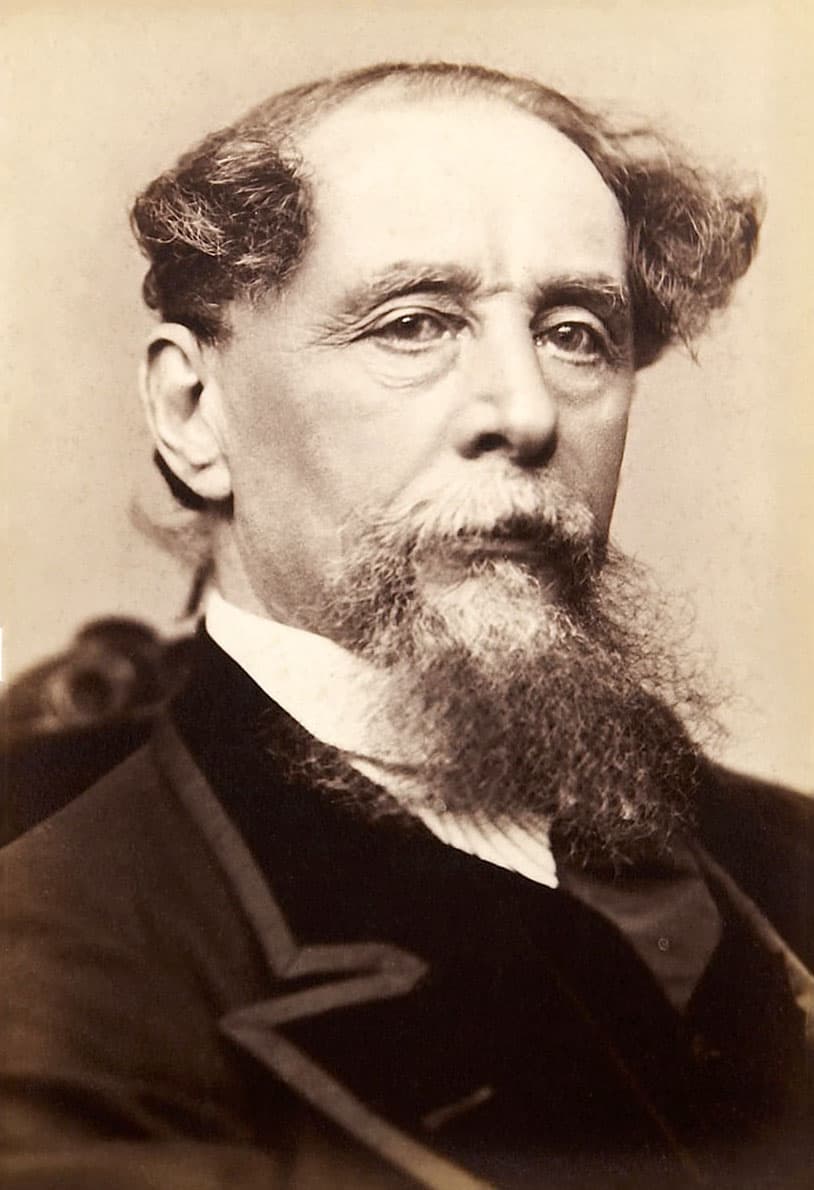
This is Dickens' favorite among his own children, and you feel that parental tenderness in every chapter. The autobiographical bones show through—the blacking factory humiliation, the debtor's prison shadow, the desperate scramble for respectability. David's journey from Blunderstone Rookery to wherever life tosses him next isn't just Victorian melodrama. It's a man excavating his own wounds on the page.
The LibriVox Gamble (And Why I Took It)
Let's be honest about what we're dealing with here. LibriVox is volunteer narration—people reading into microphones in their living rooms because they love literature enough to give it away for free. You're not getting Simon Vance. You're not getting a sound engineer tweaking every breath.
The Tadhg version—and I'd specifically seek this one out—surprised me. His David is sympathetic without being saccharine, which is harder than it sounds when you're voicing a character who spends considerable time being pitiable. He differentiates characters with genuine thought: Uriah Heep's oily humility comes through as distinctly unsettling, while Mr. Micawber's eternal optimism gets the theatrical flourish it deserves. "Something will turn up" sounds different every time because Tadhg understands that hope and delusion wear the same mask.
But—and my students would say this is my teacher voice—you need to calibrate expectations. The pacing occasionally wobbles. Some chapters feel rushed while others linger. There's no sound design, no music, no production polish. Just a person reading Dickens the way Dickens was meant to be read: aloud, with feeling, imperfectly human.
Why Thirty-Five Hours Isn't Actually That Long
My students think I'm ancient for listening at 1.0x. They're probably right. But Dickens wrote for serialization—each installment meant to be savored between publications, discussed at dinner tables, anticipated. The prose deserves to be heard at the pace he intended.
And honestly? The length becomes a feature, not a bug. You live with David. You watch him stumble through childhood cruelty at the Murdstones' hands, find unlikely family in Aunt Betsey's eccentricity, fall foolishly in love with Dora (who is, let's be clear, exactly the wrong person for him in exactly the way first loves often are). By hour twenty, you're not listening to a book. You're keeping company with someone you've come to know.
This reminds me of what Hemingway said about writing true sentences. I found that same emotional honesty in Little Fires Everywhere, where the messiness of family relationships refuses to be tidied up. Dickens writes true emotions—exaggerated, yes, theatrical, absolutely, but emotionally true in ways that still land. The death of Steerforth. David's slow recognition of Agnes. These moments hit differently when you've spent weeks with these people.
Who Should Commit (And Who Shouldn't)
This is for the patient listener. The one who doesn't mind that Victorian novels meander, that Dickens never met a subplot he didn't love, that sometimes you'll spend an hour with characters who exist purely because Dickens found them amusing. If you loved Middlemarch or Bleak House in audio form, this is your spiritual successor.
Skip it if you need tight plotting, if volunteer narration frustrates you, if you're looking for background listening while doing something else. This demands attention. It rewards attention. But it absolutely demands it first.
Also worth noting—this is free. LibriVox exists because people believe literature belongs to everyone. There's something beautiful about experiencing Dickens' most personal novel through the generosity of strangers reading for the love of it.
Worth Pausing the Faculty Meeting For
I finished the final chapter during Principal Martinez's quarterly budget presentation. (Sorry, Principal Martinez. I'm sure the new copier allocation was riveting.) David's final reflection on memory and loss came through my earbuds while someone discussed toner costs, and I had to pretend I wasn't a little emotional about a 174-year-old novel.
My students would hate this. Too long, too old, too many words when a summary would do. But that's exactly why we still read the classics—they refuse to be summarized. They insist on being experienced. And this LibriVox version, imperfect as it is, offers that experience to anyone willing to give it thirty-five hours.
Dickens called this his favorite child. After a month of listening, I understand why. Some books you read. Some books you live inside for a while. This is the second kind.