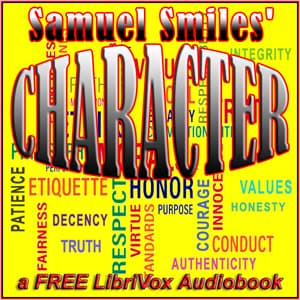

"The crown and glory of life is character." That line hit me somewhere around hour two, while I was chopping onions for a dal that would take way too long to make. And I just... stopped. Knife in hand, tears streaming (the onions, obviously), thinking about a Scottish reformer from the 1800s who somehow reached through time to call me out.
Look, I picked up Samuel Smiles' Character because I study why people do what they do. It's literally my job. And here's this Victorian gentleman essentially writing a psychology textbook before psychology was even a proper field - except instead of jargon, he's using stories. Hundreds of them. Anecdotes about everyone from ancient philosophers to his own contemporaries, all threaded together to answer one question: what makes a person truly good?
The Protagonist Exhibits Classic Victorian Optimism
Smiles is doing something fascinating here. He's not writing self-help in the modern sense - there's no "7 Steps to Better Character" or productivity hacks. Instead, he's building a case study collection. Person after person who demonstrated integrity, perseverance, self-control. The research actually shows that narrative examples are more persuasive than abstract principles, and Smiles understood this intuitively 150 years before the behavioral science confirmed it. Give and Take uses the same approach—building arguments through real stories rather than abstract theory.
What makes this compelling is his genuine belief that anyone can develop character through deliberate practice. It's almost proto-growth mindset theory? (Carol Dweck, if you're reading this, your intellectual grandfather might be a Scottish author nobody talks about anymore.) The man believed in human potential so fiercely it's almost embarrassing in our cynical age.
But - and this is important - it's also incredibly dense. Smiles doesn't believe in brevity. He'll make a point, then illustrate it with four examples when one would do. I found myself zoning out during some stretches, then suddenly snapping back when he'd drop something genuinely insightful about human nature. The pacing is... Victorian. You've been warned.
The Volunteer Chorus
Here's where I have to be honest: LibriVox productions are a specific vibe. Multiple volunteer readers means you're getting multiple interpretations, and the quality varies. Some readers nail the gravitas Smiles deserves. Others are more monotone, reading faithfully but without the dramatic variation that would make 11+ hours easier to digest.
I couldn't find detailed information about specific narrators, but based on this listen - it's serviceable. Clear, consistent pacing, definitely faithful to the text. But there were moments where I wished for more emotional engagement, especially during the more stirring passages about moral courage. The production is clean enough, just not polished in that professional studio way.
Honestly? At 1.25x speed, it worked better for me. The slightly faster pace helped counteract the occasional flatness.
Why This Still Matters (My Therapist Would Agree)
Here's the thing about studying human psychology: you start seeing patterns everywhere. And Smiles identified patterns that we're still researching today. His chapters on self-control, on the relationship between small daily choices and long-term character development, on how we become what we repeatedly do - this is basically habit formation theory dressed in Victorian prose.
Psychologically, this tracks. We know now that identity is constructed through narrative, through the stories we tell about ourselves and the examples we internalize. Smiles was essentially prescribing narrative medicine before we had a name for it.
Does some of it feel dated? Sure. The gender assumptions are very much of their time (prepare for a lot of "great men" language). And his optimism about moral improvement can feel naive when you've spent years studying how trauma and circumstance shape behavior. That's where something like Emotional First Aid becomes essential—it bridges the gap between Victorian idealism and modern understanding of psychological wounds. But the core insight - that character is built through accumulated choices, that who we become matters more than what we achieve - that's timeless.
I listened to most of this during morning jogs through Cambridge, which felt appropriate somehow. All that Victorian earnestness about self-improvement while I'm trying to convince myself that running is good for me. There's a meta-joke in there about character development that I'm too tired to fully articulate.
Would I Prescribe This?
For the right patient - yes. If you're interested in the intellectual history of self-help, if you want to understand how Victorians thought about moral development, if you appreciate primary sources over modern interpretations - this is genuinely valuable. It's also free, which matters.
But if you need dynamic narration to stay engaged, or if you're looking for practical, actionable advice in a modern format? Maybe read a summary instead. The audiobook requires patience and the willingness to meet it on its own terms.
One listener apparently emailed a narrator fifteen years ago to say how much they loved it. That kind of staying power means something. Even if my attention wandered during hour seven, I kept coming back. And I'm still thinking about that line about character being the crown and glory of life.
My dal turned out great, by the way. Character-building, even.