
"We wouldn't expect a cut to heal if we kept picking at it. So why do we expect our emotional wounds to get better when we ruminate on them constantly?"
That line hit me somewhere around hour two, and I had to pause the audiobook. I was in the middle of reviewing a pitch deck for a client who'd just been rejected by their fifth VC - and here's Guy Winch basically explaining why my client couldn't stop obsessing over the rejection email. The timing was almost too perfect.
The Business Case for Emotional Hygiene
Look, I've sat through hundreds of hours of leadership training, executive coaching sessions, and those mandatory "wellness" workshops that companies run to check a box. Most of it is fluff. This isn't.
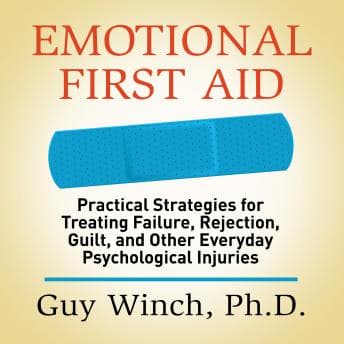
Winch structures the book around seven common psychological injuries - rejection, loneliness, loss, guilt, rumination, failure, and low self-esteem. Each section follows the same format: here's what the injury is, here's the science behind why it hurts, here are specific exercises to treat it. It's like a troubleshooting manual for your brain.
That structured, evidence-based approach reminded me of what I appreciated in Give and Take - actual research, not just motivational hand-waving.
The failure chapter alone is worth the Audible credit. Winch breaks down why some people bounce back from failure while others spiral. The key takeaway is worth the listen. The other 7 hours? Actually, they're pretty solid too - which is rare for me to say about a self-help book.
What my parents did instinctively - dusting themselves off after a bad week at the dry cleaners, refusing to dwell, focusing on what they could control - Winch gives clinical names and research backing. There's something validating about seeing immigrant-parent wisdom validated by peer-reviewed studies.
When the Psychologist Narrates His Own Work
Winch reads his own book, and honestly? It works. His voice is warm, clear, soothing in a way that matches the subject matter. When he's walking you through an exercise about processing rejection, you don't want a dramatic narrator doing character voices. You want someone who sounds like they've actually sat across from patients dealing with this stuff. Because he has.
That said - and I'm being harsh here, Jenny would agree - the pacing is slow. Like, 1.5x minimum slow. Some listeners apparently cranked it to 2x and still found themselves zoning out. I kept it at 1.75x and that felt right. The content is dense enough that you don't want to miss things, but the delivery has that therapist-calm that can lull you if you're not careful.
No mispronunciations, no audio issues. Clean production. The man knows how to speak into a microphone, which is more than I can say for some academics who try to narrate their own work.
Why This Actually Matters for Work
Here's where my consultant brain kicks in. I've watched startups implode not because of bad product-market fit, but because founders couldn't handle rejection. I've seen senior executives make terrible decisions because they were stuck ruminating on a board meeting that went sideways six months ago.
Winch's framework is practical. The exercises take 10-15 minutes. They're backed by actual research, not just "visualize your success" nonsense. One technique for breaking rumination cycles - deliberately distracting yourself for two minutes when you notice the spiral starting - I've already recommended to three clients.
Is it going to replace therapy? No. Winch is clear about that. But it's a solid first-aid kit for the everyday psychological scrapes that most of us just... ignore until they get infected.
Who Should Listen (And Who Should Skip)
Best for: Anyone who manages people, anyone going through career transitions, anyone who's ever spiraled after a rejection email at 2 AM. Commuters will appreciate the chapter structure - each injury is self-contained enough that you can pause between sections.
Skip if: You want entertainment. This is practical, not page-turning. If you need high-energy narration to stay engaged, this might not be your format. The print version would work fine - there's nothing here that specifically requires audio.
My 2.0x speed couldn't save this one from feeling a bit long in places. Some of the case studies repeat similar points. But the core framework is solid, the science is legit, and I genuinely walked away with tools I'll use.
The practical framework here beats the vague platitudes in POSITIVE THINKING POWER by a mile.
Bottom Line
A self-help book that respects your time - mostly. Bump the speed, take notes on the exercises, and you've got something genuinely useful. My parents would've rolled their eyes at the title. But they would've appreciated the no-nonsense approach underneath it.