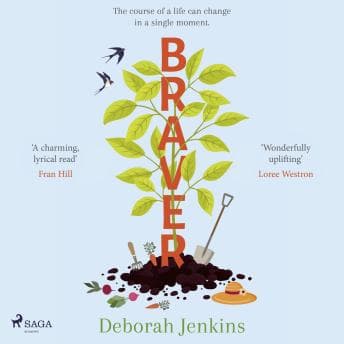

I have a confession. I almost didn't finish this one.
Not because it's bad—it's genuinely lovely—but because Hazel's OCD rituals hit uncomfortably close to home. The counting, the checking, the way she has to touch things in sequences of three. I spent the first hour thinking about my own students, the ones who can't start their essays until they've organized their desk exactly right, who ask to use the bathroom at precisely the same time every class. The ones I probably haven't been patient enough with.
So. That's where we are. Grading papers at 11PM, listening to Clare Corbett describe Hazel's morning routine for the third time, and feeling like a worse teacher than I was an hour ago.
The Eleanor Oliphant Comparisons Are Lazy (But Not Wrong)
The marketing wants you to think of this as Eleanor Oliphant's British cousin, and fine, I get it. What Alice Forgot gets marketed the same way—woman rebuilding her life, finding unexpected connections—but Jenkins goes deeper into the daily mechanics of anxiety. Socially awkward protagonist. Unlikely friendships. Community as salvation. But here's what Jenkins does that Gail Honeyman didn't: she gives us Virginia.
Virginia is the church minister who befriends Hazel, and she's not some wise mentor figure dispensing wisdom from on high. She's a woman who rebuilt herself after loss, who runs on caffeine and stubbornness, who makes mistakes. The dual perspective—Hazel's anxious internal monologue against Virginia's exhausted competence—creates this beautiful tension. You're watching two broken people try to hold each other together without admitting they need holding.
This reminds me of what Hemingway said about grace under pressure, except Jenkins is more interested in what happens when the pressure cracks you open and someone else has to help you put the pieces back.
Clare Corbett Understands That Pause Is Punctuation
Look, I listen at 1.0x because the author chose those words and I choose to hear them properly. My students think I'm ancient for this take. They're not wrong. But Corbett rewards that patience.
She doesn't rush Hazel's rituals. When Hazel counts—and she counts a lot—Corbett gives each number its weight without making it feel clinical or performative. There's genuine tenderness there. And when she shifts to Virginia's sections, there's this subtle exhaustion in her voice, like Virginia's been carrying everyone else's problems so long she's forgotten how to put them down.
The warmth is real. The humor is gentle but present—there's a scene involving a church coffee hour that had me snorting at my desk loud enough that Denise asked if I was okay. (I was. I was just thinking about every faculty potluck I've ever survived.)
About That "Shocking Accusation"
The blurb mentions Virginia facing an accusation that threatens to unravel everything. I won't spoil it, but I will say this: Jenkins handles it with more nuance than I expected. It's not a plot device. It's an examination of how communities turn on their own, how quickly trust evaporates, how the people who give the most are often the most vulnerable when things go wrong.
As someone who's watched teachers get crucified in faculty meetings over misunderstandings, this hit differently.
Small Victories That Feel Like Everest
Jenkins was a primary teacher before she wrote this, and you can tell. Not in a condescending way—in the way she explains Hazel's OCD without making it a lesson, in the way she lets small moments breathe. There's a scene where Hazel successfully orders coffee at a new café, and it takes maybe two minutes of audio, and it feels like watching someone summit Everest. Catch of the Day celebrates those same small victories—the quiet moments that feel monumental when you're the one living them.
My students would probably say this book is slow. They'd want more plot, more drama, more things happening. But the things that happen here are the quiet, enormous things—someone making a friend, someone being believed, someone learning that their brain isn't their enemy.
I love it. My students would hate it. That's fine.
Who Should Listen (And Who Should Skip)
If you loved Eleanor Oliphant or The Rosie Project, yes, obviously. But also: if you work with anxious people, if you've ever felt like your brain was working against you, if you're tired of books where mental health is either a quirky personality trait or a tragedy. This is neither. It's just... honest.
Skip it if you need plot momentum. This is a character study wrapped in a community drama, and it moves at the pace of real healing—which is to say, slowly, with setbacks.
Worth Pausing the Faculty Meeting For
Deborah Jenkins wrote a debut novel that got shortlisted for the Writers' Guild Best First Novel Award, and she earned it. Clare Corbett's narration is the kind of performance that makes you forget you're listening to a performance. At 8 and a half hours, it's a weekend listen—perfect for lakefront walks or, apparently, late-night grading sessions when you need to feel something other than frustration at comma splices.
This is why we still read the classics—except this isn't a classic yet. Give it time.