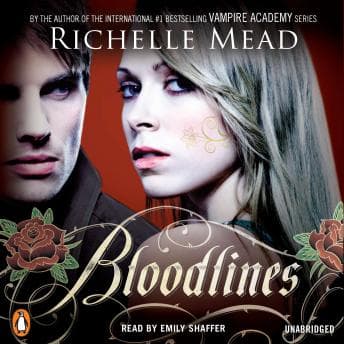

Sydney Sage is not your typical YA protagonist, and honestly? That's what makes this work.
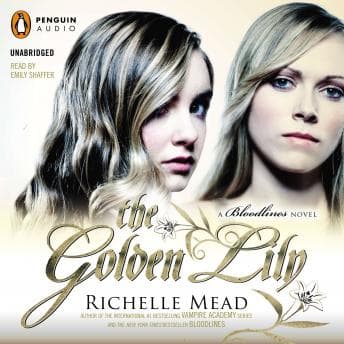
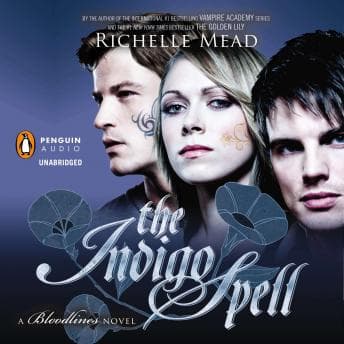
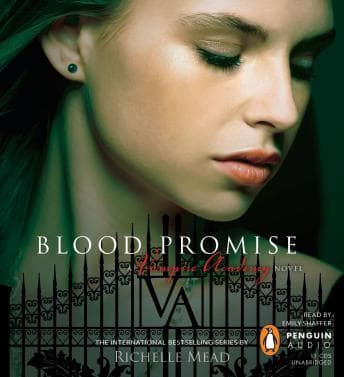
I picked up Bloodlines mostly because my students keep asking me about "vampire books that aren't Twilight" and I figured I should actually know what I'm recommending. Thirteen hours later, walking the lakefront with Denise while she patiently waited for me to stop muttering about alchemists and Moroi politics, I get it. I finally get why these books have staying power.
Here's the thing about Richelle Mead—she understands something a lot of YA authors miss. The supernatural stuff is window dressing. The real story is always about identity, belonging, and the messy business of figuring out who you are when everything you've been taught starts crumbling. Sydney's an alchemist, raised to believe vampires are abominations, and now she's protecting one. The cognitive dissonance is palpable. As someone who teaches teenagers navigating their own belief systems, watching Sydney question her conditioning felt... real.
Emily Shaffer Gets Inside Sydney's Head
I couldn't find much about Emily Shaffer's background before this series, but based on this performance? She gets it. Her Sydney is precise, controlled, a little uptight—exactly what a perfectionist alchemist should sound like. There's this undercurrent of anxiety in her delivery that never feels performed. It just... is. Sydney's constant internal conflict between duty and emerging doubt comes through in every measured sentence.
The character voices are distinct without being cartoonish. Jill sounds appropriately young and earnest. Eddie's protective nature comes through in his tone. And Adrian—look, some listeners apparently found his voice annoying, but I'd argue that's intentional? Adrian IS annoying at first. He's supposed to grate on Sydney's nerves. The voice choice reflects the character's arc.
Shaffer's pacing kept me engaged through what could have been slow setup chapters. Private school drama, new identities, establishing the Palm Springs setting—in lesser hands, this could drag. It didn't. I found myself walking an extra mile just to finish a chapter. (Denise was less thrilled about this.)
The Slow Burn That Actually Burns
Mead does something clever here that I wish more series authors understood. She trusts her readers. The romance elements simmer rather than explode. The mystery unfolds through character interaction rather than info dumps. Sydney's growth happens in small moments—a hesitation before using a slur she was raised with, a genuine laugh with someone she's supposed to despise.
This is a spinoff from Vampire Academy, and while I haven't listened to that series (yet—my TBR pile judges me), Bloodlines works as a standalone. Mead weaves in enough context without making returning readers suffer through exposition they don't need. That balance is harder to achieve than it looks.
The Palm Springs setting is inspired, honestly. Vampires in the desert, forced to navigate a human private school while hiding supernatural politics? There's something almost satirical about it. These ancient conflicts playing out in a world of designer clothes and college prep courses. My students would probably love the juxtaposition. (Don't tell them I said that—I have a reputation for only recommending "boring classics" to maintain.)
Who This Is For (And Who Should Skip)
If you loved Vampire Academy, this is apparently a no-brainer—you're already here. But if you're new to Mead's world like I was, this works as an entry point. The audiobook format particularly suits the first-person narration. Sydney's voice in your head, questioning everything, feels intimate in a way that print might not capture.
Best for commutes, long walks, or honestly any time you want something engaging that doesn't require intense focus. The plot moves, but it's character-driven enough that missing a sentence won't lose you.
Skip if perfectionist protagonists drive you crazy. Sydney's internal conflicts are the point, but if you find that kind of character irritating rather than compelling, this might not be your book. Also, while this stands alone, you'll probably want to continue the series—and there are several books. Plan accordingly.
The production is clean, no weird audio issues, and at 1.0x speed (yes, I'm that person), the pacing feels natural. Shaffer doesn't rush the emotional beats.
Class Dismissed
I went in expecting to check a box for student recommendations. I came out genuinely invested in Sydney's journey. That's the mark of good storytelling, regardless of genre. This is why we shouldn't dismiss YA as "less than"—when it's done well, it explores the same fundamental questions as any literary fiction. Road does this brilliantly too, using its post-apocalyptic setting to ask those same questions about identity and belonging. Just with more vampires here.