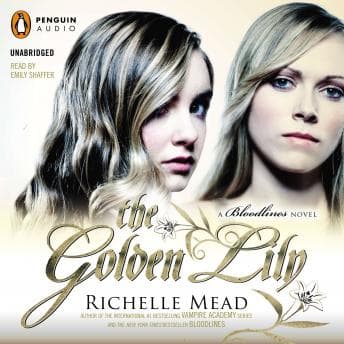

There's a moment early in this book—maybe around the two-hour mark—where Sydney Sage is obsessing over the caloric intake of a meal or the rigid rules of the Alchemists, and I just froze. I literally stopped typing my thesis methodology section. Because I realized: Sydney is me.
Okay, she's a teenage girl protecting a vampire princess in Palm Springs, and I'm a bearded grad student in Georgia drowning in procedural generation algorithms. But the rigid adherence to logic? The fear of stepping out of line? The desperate need for the world to make sense? I felt that.
I picked this up because I needed background noise while debugging a particularly nasty Python script. I stayed for the weirdly compelling mix of high school drama and magical chemistry.
The Voice of Logic (and Repression)
Let's talk about Emily Shaffer. I hadn't heard her before this.
Here's the thing—some people online say she sounds "flat." And yeah, I get it. If you're coming from a graphic audio production or a narrator who chews the scenery, Shaffer feels restrained. But for Sydney? It works. It actually works really well.
Sydney is an Alchemist. She's repressed. She's terrified of her own feelings. Shaffer plays her with this clipped, precise tone that screams "I am in control of this situation" even when she absolutely isn't. It's a character choice. (At least, I'm telling myself it is. If it's accidental, it's a happy accident.)
She does distinct voices for the side characters that save it from being a monotone lecture. Her Adrian (the brooding, artistic vampire love interest) has just enough lazy swagger to be annoying and charming at the same time. It's not Steven Pacey levels of distinction—nobody is Pacey—but she keeps the cast separate enough that I didn't get lost while staring at my dual monitors.
When the Alchemy Hits
I usually roll my eyes at romance tropes. Oh, the forbidden love? The bad boy and the good girl? Groundbreaking.
But Richelle Mead does something sneaky here. She grounds the magic in science. Or, well, "science." The Alchemists use chemical compounds and gold lilies (hence the title) to enforce their will. As a guy who spends his life trying to make computers generate realistic worlds, I respect a magic system that has rules. That same appreciation for logical frameworks is what drew me to Second Foundation—Asimov's psychohistory operates on rules just as rigid as Sydney's alchemy.
The progression of Sydney questioning her indoctrination is slow. Like, really slow. This is a slow burn in every sense of the word. If you're looking for constant action or immediate gratification, you're gonna have a bad time. I found myself shouting at my speakers, "Just talk to him, Sydney! Logic doesn't apply here!"
(My neighbors probably think I'm arguing with my advisor again.)
There are moments where the high school setting drags. I don't care about prom dresses. I really don't. But then Sydney starts mixing potions or analyzing a magical threat with cold, hard logic, and I'm back in. The contrast between the mundane teen stuff and the "if I mess this up, civil war breaks out" stakes is kind of fun.
Who's Rolling a Nat 20 on This One
If you like your fantasy with a heavy dose of introspection and a narrator who plays it cool rather than hot, give it a shot. Fans of rule-based magic systems and slow-burn character development will dig this. Skip it if you need constant action or can't stand high school drama padding—the prom dress discussions are real, and they are many.
Thesis Status: Still Neglected
Look, is this high literature? No. Is it going to revolutionize the fantasy genre? Also no. But I listened to the whole 12 hours in three days.
It's character-driven comfort food. It's watching a logical person slowly unravel because emotions don't fit into a spreadsheet. And honestly, listening to Sydney panic about breaking rules made me feel slightly better about ignoring my own deadlines.
Just maybe speed it up to 1.25x. Sydney thinks fast; the audio should match.