
What's the audiobook equivalent of comfort food that also makes you think? Because I think I found it.
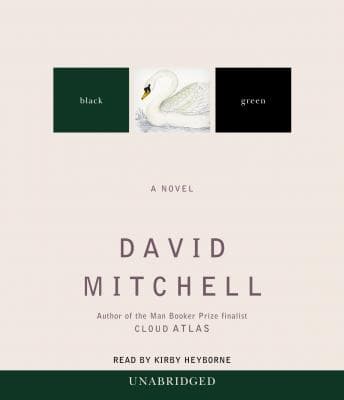
I started this during Sophie's nap time—which, miracle of miracles, lasted the full two hours—and ended up finishing it over the course of a week during my sacred car-sits-in-garage time. Black Swan Green is the kind of book that survives being paused 47 times and still makes complete sense when you come back. That's not nothing when you're listening while simultaneously wondering if the toddler is actually asleep or just plotting her escape.
Thirteen Chapters, Thirteen Little Heartbreaks
David Mitchell structured this as thirteen interconnected short stories following Jason Taylor through 1982 England, and honestly? Perfect for mom brain. Each chapter is its own complete thing—you can pause between them, get interrupted by someone needing a snack, and come back without feeling lost. But they also build on each other in this sneaky way where by the end you realize you've been watching a kid grow up in real time.
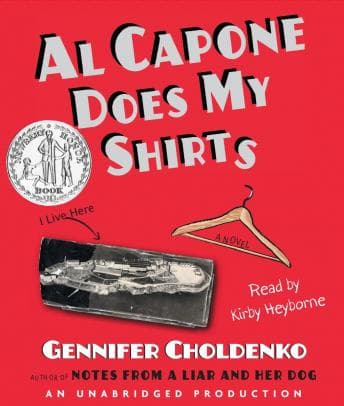
Jason's stammer—he calls it the "Hangman"—is the thread that runs through everything. Kirby Heyborne handles it so naturally that you forget it's a performance choice. The way Jason navigates around words that might trip him up, the way he talks differently with different people, the way the Hangman shows up at the worst possible moments. My Lucas has been working with a speech therapist for six months, and some of these scenes hit different when you've watched your own kid struggle to get words out.
The stuff about his parents' marriage falling apart in slow motion? That's the real gut punch. Mitchell never makes it dramatic—it's just small moments. A dinner where nobody talks. His mom crying in the kitchen. His dad working late again. It's so quiet and so devastating.
The Accent Situation (Let's Talk About It)
Okay, here's the thing. Kirby Heyborne is American doing British accents, and you can tell. His accent slides around—sometimes it's solid, sometimes it's that thing Americans do where they think adding "innit" makes them sound British. There are words he pronounces in ways that made me wince, and I'm not even British.
But—and this is a big but—he absolutely nails Jason's voice. The uncertainty, the bravado, the way thirteen-year-old boys are simultaneously too cool for everything and desperately wanting approval. He captures that perfectly. The emotional beats land. When Jason is humiliated, you feel it. When he's triumphant, you're there with him.
So do I wish they'd cast a British narrator? Maybe. But would I have connected to Jason the same way? I'm not sure. Heyborne's performance is compassionate in a way that matters more than a perfect accent.
When Cloud Atlas Guy Writes Small
I've never read Cloud Atlas because—let's be honest—I don't have time for 500-page puzzle boxes anymore. But Black Swan Green is Mitchell writing small and intimate, and it works beautifully. Kind of like how Last Romantics zooms in on one family's intimate moments instead of trying to be everything at once. The details are so specific to 1982: Duran Duran posters, the Falklands War on the news, Thatcher's recession in the background. It's a time capsule that somehow feels universal.
The chapter with Madame Crommelynck—this elderly Belgian woman who becomes Jason's unexpected mentor—made me cry at school pickup. Worth it though. She sees him in a way nobody else does, and their conversations about poetry and art and being an outsider are just... yeah. I sat in the carpool lane with tears running down my face while Emma asked why I was being weird.
Who This Is For (And Who Should Skip)
Perfect for: Anyone who remembers being thirteen and awkward. Parents of kids who struggle with anything—speech, fitting in, divorced parents. Fans of coming-of-age stories that don't condescend. People who want literary fiction that's actually accessible.
Maybe skip if: You're a stickler for accurate British accents. You need fast-paced plots. You're looking for something light—this has tender moments but also some real darkness (bullying, family dysfunction, loss).
At 13 hours, it's a commitment, but the chapter structure means you can take breaks without losing the thread. Car time approved.
Nap Time Well Spent
This isn't groundbreaking in a flashy way. It's groundbreaking in a quiet way—the way it captures the specific loneliness of being a kid who doesn't quite fit, the way it shows how families fall apart in slow motion, the way it treats a thirteen-year-old's problems with the seriousness they deserve.
I finished this during nap time. High praise.
Made me text my book club group chat (the one we never actually meet for anymore) to tell them they need to listen to this. Made me hug Lucas a little tighter at bedtime. Made me remember what it felt like to be thirteen and certain that nobody understood me.
Satisfying ending—exactly what I needed. Not a happy ending, exactly, but a hopeful one. The kind where you know Jason's going to be okay, even if the road there is hard.