
I was cleaning out my garage last weekend - one of those projects Linda's been after me about for months - when I threw this on. Six hours of vintage mystery while sorting through boxes of deployment gear I should've dealt with years ago. There's something to be said for a good old-fashioned whodunit that doesn't try to reinvent the wheel.
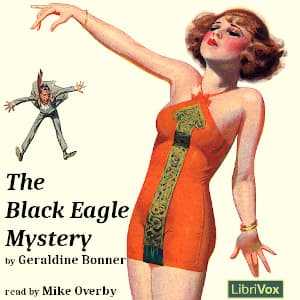
Let me cut to the chase: this is a solid early 20th-century mystery that does exactly what it promises. Corporate lawyer takes an eighteen-story dive from the Black Eagle Building. Cops call it suicide. Our protagonist Molly Morgenthau Babbits - and yes, that's a mouthful - thinks otherwise. She's got that classic amateur sleuth energy, the kind of character who'd probably annoy the hell out of actual investigators but makes for decent entertainment.
The Case File
Geraldine Bonner knew how to construct a mystery. The setup is clean: suspicious death, shadowy organization cornering the copper market, a heated meeting right before the "suicide." It's got that Gilded Age corporate intrigue vibe that honestly feels weirdly relevant. Swap copper for tech stocks and this could be a modern thriller. Poisoned Pen pulls off that same trick - old-school mystery structure that still feels sharp.
The investigation unfolds at a pace that matches the era - meaning don't expect Jason Bourne. But here's the thing: I actually appreciated the slower build. When you're elbow-deep in dusty boxes of old uniforms, you don't need constant action. You need something that rewards attention without demanding it. This delivers that.
Molly's a fun character. Spunky, persistent, maybe a little too confident in her detective abilities. That overconfidence shows up in 20th Victim too, though with professional investigators who should know better. She reminded me of some junior officers I've worked with - convinced they've cracked the case before they've gathered all the intel. But she grows on you.
Mike Overby Behind the Mic
Here's where I've gotta be honest with you. Mike Overby's narration is... fine. It's clear. It's consistent. I never had trouble following who was speaking or what was happening. For a LibriVox recording, the audio quality is clean - no weird background noise or volume drops.
But - and this is a significant but - the man reads like he's delivering a mission brief rather than telling a story. Not a lot of variation in his delivery. Characters don't have distinct voices so much as slightly different inflections. During the tense moments, when Molly's closing in on the truth, I wanted more urgency. More heat. Instead, it stays pretty level throughout.
Some folks will actually prefer this. If you're using the audiobook as background while doing something else (like, say, deciding which tactical vest from 2007 you really need to keep), a steady, unobtrusive narrator works. But if you're looking for a performance that's gonna pull you into 1916 New York? You might find yourself wishing for more. I listened at 1.25x and that helped - picked up the energy a bit without losing clarity.
Mission Debrief
This is a free public domain recording. You're not risking anything but time. If you're a fan of classic mysteries - the kind your grandmother might have read - this scratches that itch. The story holds up better than the narration, frankly.
Who's this for? People who appreciate mystery history. Folks who want something low-key for chores or long drives. Anyone curious about early American mystery fiction before the genre got codified into the formulas we know today. Who should skip it? If you need your narrators to bring theatrical energy, you'll be frustrated. If slow-burn pacing makes you reach for the skip button, this isn't your mission.
Ranger slept through most of it, which I'm choosing to interpret as peaceful rather than boring. He's heard worse. So have I.
It's not going to change your life. But for a free six-hour mystery with a decent plot and a protagonist who doesn't quit? Mission accomplished. Mostly.