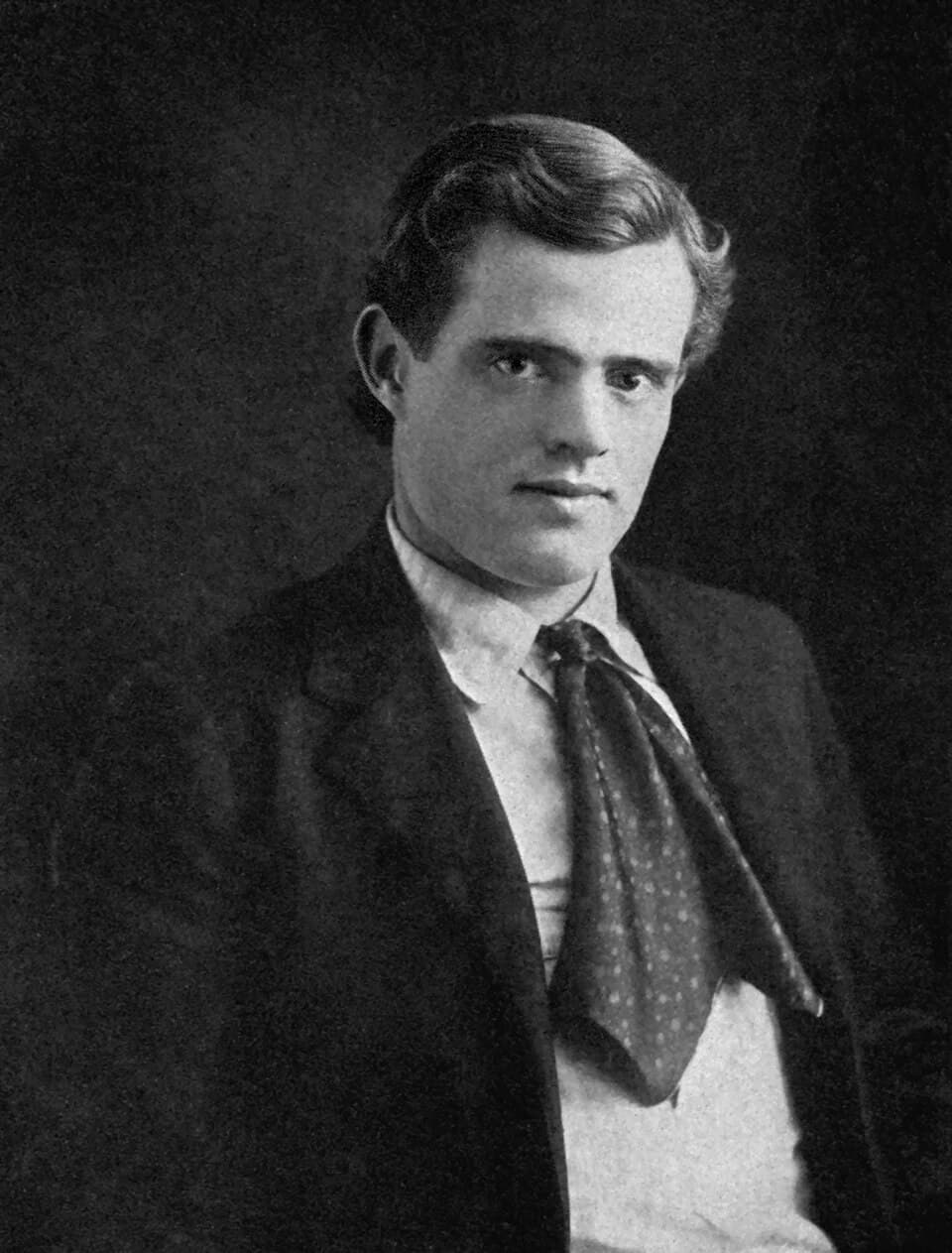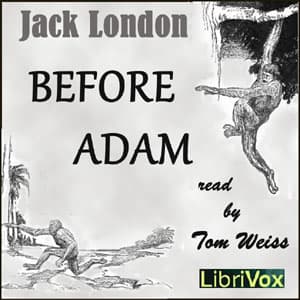

Look, I have a complaint. Why did nobody tell me Jack London wrote proto-human prehistoric fiction? I've read Call of the Wild, I've read White Fang, I thought I had this guy figured out. Dogs. Survival. Alaska. Done. But no - apparently in 1907 he was like "what if I wrote about a modern man who dreams he's a pre-human ancestor" and just... did that?
I picked this up because it's under 4 hours - perfect for a single day's round-trip commute - and because I was curious about early sci-fi that actually engages with Darwin. Most old-school speculative fiction treats evolution like magic. This doesn't. And honestly? That's both its strength and its weirdest quality.
The Dream Logic That Actually Works
So the premise: our narrator has these vivid, recurring dreams where he's living as "Big-Tooth," a proto-human in the Mid-Pleistocene. Not metaphorical dreams. Not symbolic. He's experiencing what London calls "racial memory" - basically ancestral memory encoded in his genes. (Yes, this is scientifically questionable now. No, I don't care. It's 1907. They were doing their best.)
The structure is fragmented by design. You're jumping between the modern frame and these prehistoric vignettes - tribal conflicts, the terror of the Fire People, learning to survive. It's less a traditional plot and more... episodic survival horror? The dreams don't follow a neat narrative arc because dreams don't work that way.
I found myself surprisingly invested. There's this moment where Big-Tooth encounters a more advanced tribe - the Fire People - and the sheer animal terror of facing something smarter and more dangerous than you? London nails it. He's writing about the evolutionary knife's edge, and it hits different when you're stuck on a 6 AM train surrounded by people who haven't had coffee yet. We're all just slightly more evolved primates trying not to make eye contact.
Tom Weiss Does the Job
Here's where I have to be honest: Tom Weiss isn't Ray Porter. (Nobody is Ray Porter. I've accepted this.) But for this particular book? His straightforward, clear delivery actually works.
The narration is clean, pacing is solid, and he handles the scientific-speculative content without making it feel like a lecture. Some reviews call it monotone - I'd say it's more... steady. Which fits the dreamlike quality of the source material. You're not getting distinct character voices for every proto-human, but honestly, Big-Tooth's tribe isn't exactly having Sorkin-level dialogue. They're grunting and surviving.
Where Weiss really earns his keep is in the atmospheric sections. The prehistoric world feels vivid and dangerous. That same restraint-that-amplifies-dread thing happens in Nightfall, where the narrator lets Asimov's existential horror build without melodrama. When London describes the terror of encountering a sabertooth or the brutal tribal violence, the narration doesn't oversell it. It just lets the imagery land.
Who This Is Actually For (And Who Should Run)
Quick Verdict: This is basically Clan of the Cave Bear but written by a guy who actually read Darwin, and it's under 4 hours. If you're craving more early speculative fiction that takes science seriously, Mysterious Island scratches a similar itch—Jules Verne doing his engineering homework while stranding people on a desert island.
Perfect for: train, gym. Skip for: anything requiring sustained attention, because the dream structure means you can zone out for 30 seconds and not lose the thread.
The ROI on this audiobook is solid if you're:
- Into classic lit and want something different from London's usual catalog
- A science nerd who appreciates early evolutionary speculation (even the outdated parts)
- Looking for a short, atmospheric listen that doesn't require a 40-hour commitment
Skip if you need dynamic character voices, fast-paced action, or a traditional narrative structure. The fragmented dream format will frustrate you.
Closing the Loop
Probably not a relisten - it's more of a one-and-done curiosity than a comfort pick. But I'm genuinely glad I found it. There's something weirdly compelling about 1907 Jack London trying to write hard sci-fi about human evolution while also delivering genuine moments of primal terror.
I finished this in a single commute day. Started it half-asleep heading to Mountain View, finished it half-asleep heading back to the city. Somewhere in between, I fixed a flaky integration test and thought about how we're all just Big-Tooth with better tools and slightly more impulse control.
The science doesn't fully hold up - racial memory isn't really how genetics works - but as speculative fiction from over a century ago? It's smarter than it has any right to be. And at 3 hours 50 minutes, it respects your time. Could've been a blog post? No, actually. This one earned its runtime.