
What if the best investment advice you'll ever get comes from a guy who picked stocks by noticing his wife's pantyhose brand?
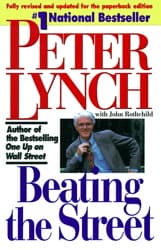
I was reorganizing my home office at 11 PM—Jenny calls it "aggressive filing," I call it Sunday night productivity—when I decided to finally knock out Peter Lynch's Beating the Street. Three hours. That's it. A business book that respects your time. Already we're off to a good start.
The Magellan Man Speaks (And You Should Listen)
Lynch ran Fidelity's Magellan Fund from 1977 to 1990, turning it into one of the most successful mutual funds in history. This isn't some business school professor theorizing about markets. This is a guy who actually beat the street, consistently, for over a decade. When he talks about picking stocks based on what you observe in your daily life—the crowded Taco Bell, your kid's obsession with a new toy brand, the checkout lines at Costco—he's not being cute. He's describing exactly how he found winners.
My parents never bought a single stock. They poured everything into their dry cleaning business in Koreatown. But you know what? Lynch would've loved them. They knew their customers, understood their margins, could tell you which months were slow before any spreadsheet confirmed it. That's the "invest in what you know" philosophy in action, just without the brokerage account.
The Abridged Elephant in the Room
Here's where I have to be honest with you—and this genuinely frustrated me. This audiobook is missing chapters 4, 5, 6, 10, 13 through 17, and 19. Out of 21 total chapters. That's not an abridgment, that's a highlight reel.
Lynch narrates it himself, which is both the strength and the limitation here. His passion is genuine—you can hear the excitement when he talks about finding an undervalued company. But that same passion sometimes makes him rush through explanations, words tumbling over each other like he's afraid you'll lose interest before he gets to the good part. (You won't, Peter. We're here for it.)
The problem is structural. This version works great as a story—Lynch's journey, his philosophy, his greatest hits. But if you're trying to actually implement his step-by-step portfolio building process? You're going to hit walls. The detailed research methodology, the specific financial ratios to examine, the case studies that show his work—a lot of that got cut.
What Actually Survives the Edit
The core insight remains intact: stocks aren't lottery tickets. There's a company behind every ticker symbol, and understanding that company gives you an edge over the institutional investors who are just reading the same analyst reports as everyone else.
Lynch's mutual fund strategy section is particularly useful. He breaks down how to evaluate fund managers, what expense ratios actually cost you over time, and why chasing last year's hot fund is a losing game. Practical stuff. The kind of advice that could've saved a lot of people from 2021's meme stock disasters.
The three hours fly by. I didn't even bump it to 2x speed, which for me is practically a religious experience. Lynch keeps it conversational, almost like you're getting coffee with a very successful uncle who genuinely wants you to do well.
Who Gets Value Here (And Who Needs the Full Book)
If you want the philosophy—the mindset shift from gambling to investing—this audiobook delivers. Beginners who need to understand why individual investors can compete with Wall Street will find Lynch makes a compelling case without drowning you in jargon.
But if you want the full toolkit? If you're ready to actually build a portfolio using his methodology? Buy the physical book. Or get both—listen to this for the motivation and Lynch's infectious enthusiasm, then read the complete version for the homework. Skip this if you need implementation details more than inspiration.
I've recommended One Up on Wall Street to probably fifty people over the years. Beating the Street is the more practical sequel—more detailed, more step-by-step, more "here's exactly what I did and why." Just not in this format.
The ROI Calculation
Three hours of Peter Lynch explaining how he became a legend, narrated by the man himself. The missing chapters hurt—I'm not going to pretend otherwise. But what's here is solid, actionable, and refreshingly free of the guru-speak that plagues most investment books.
My parents worked 14-hour days because they didn't have capital to invest. Lynch's whole point is that you don't need an MBA or insider connections—you need observation skills and patience. That same trust-your-instincts philosophy runs through Still Life, where paying attention to what's right in front of you matters more than credentials. That's a message worth hearing, even in abbreviated form.
Jenny would say I'm being generous with the rating given the abridgment issues. Jenny might be right. But Lynch earned some goodwill by not padding three hours into eight.








![Steve Jobs [unabridged audiobook] audiobook cover](/_next/image?url=https%3A%2F%2Fcovers.audiobooks.com%2Fimages%2Fcovers%2Ffull%2F9788499923406.jpg&w=1920&q=75)