
How many hours of your life have you spent reading self-help books that basically tell you things you already know?
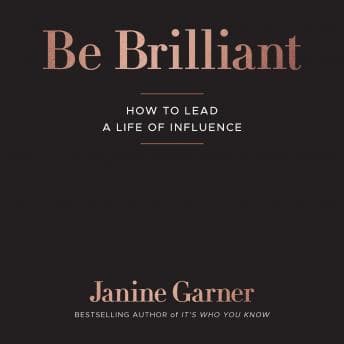
I'm asking because I just finished Janine Garner's Be Brilliant and I'm genuinely conflicted. Eight hours. That's what this cost me—and look, I listened at 2.0x, so really four hours of my life. The question is whether those four hours were worth it.
The Consulting Brain Wants Data
Here's the thing about self-help books written by thought leaders and keynote speakers: they're often just their keynote speeches stretched into book form. Garner works with ASX companies and global multinationals. She knows her stuff. But the core message here—slow down, look inward, own who you are—is not exactly groundbreaking territory.
My parents didn't have time to "slow down and turn their focus inward." They had a dry cleaning business in Koreatown and three kids. Their version of "unleashing inner brilliance" was figuring out how to fix the steam press at 2 AM because the repair guy couldn't come until Thursday. And yet, somehow, they built something. Without a single TED talk.
So I'm always a bit skeptical when books promise you "already have everything you need to become truly brilliant." Do you? Or do you also need, I don't know, capital, connections, luck, and the ability to survive on four hours of sleep for a decade?
Where Garner Actually Earns Her Keep
Okay, but here's where I have to be fair. The book isn't all platitudes. Garner's examples are specific and practical—she's clearly worked with real leaders facing real problems, not just theorizing from an ivory tower. One listener nailed it when they said she "avoided the pitfalls of complexity with mastery." That's actually true.
The sections on comparison-itis and self-doubt hit different when you're consulting with startup founders who are comparing themselves to unicorn exits while their runway is burning. I've seen this play out. The constant measuring against others, the imposter syndrome that eats high performers alive. Garner addresses this with enough nuance that I didn't feel like I was being talked down to.
And honestly? The stuff about "crowded calendars and unending demands"—yeah, that landed. Jenny would say I needed to hear it. (Jenny is usually right about these things.)
Cat Gould Does the Heavy Lifting
The narration is what saves this from being a skip. Cat Gould has this warm, clear delivery that makes even the more obvious self-help wisdom feel like advice from a smart friend rather than a lecture. I couldn't find much about her other work online, but based on this performance, she knows how to keep a listener engaged through eight hours of personal development content.
No dramatic voice changes or theatrical flourishes—just solid, professional narration that matches the book's tone. Clean production, no audio issues. The kind of audiobook you can listen to while driving without missing anything because someone whispered a key insight.
The 8-Hour Problem
Bottom line: there's probably 3 hours of genuinely useful content here stretched into 8. That's not unique to Garner—it's the publishing industry's dirty secret. Business books get padded because nobody wants to pay $25 for a pamphlet, even if the pamphlet would be more effective. That's why Essentialism landed harder for me—McKeown actually practices what he preaches about cutting the fluff.
Skip to the chapters on overcoming limitations and the practical strategies for self-ownership. The early setup about why we're all so stressed and distracted? You already know this. You're living it.
For high-powered women in leadership roles—and one listener specifically called this out as "a must read" for that demographic—this probably hits harder. Open Book explores similar territory around maintaining authenticity under public scrutiny, though from a completely different angle. The burnout stuff, the spotlight versus self-care balance. That's real, and Garner speaks to it with authority.
Who Gets ROI Here (And Who Doesn't)
If you're in a leadership role and feeling the comparison trap closing in, this is worth your time. Sample it first. If the first chapter clicks, stick with it. If not, your time is valuable—spend it elsewhere. Skip this if you're already well-versed in the self-help canon or you need tactical frameworks over mindset work.
The P&L on This One
For me? Useful reminders, solid framework, could've been tighter. My parents would've appreciated the hustle-respecting parts. They would've skipped the rest and gotten back to work.