
The 11 PM Grading Crisis
It's 11:15 PM. I'm staring at a stack of sophomore essays on Lord of the Flies that I swore I'd finish three days ago. My eyes are burning, my coffee is cold, and I am fundamentally questioning the utility of the American education system. (If I read one more sentence starting with "In today's society...", I might actually scream.)
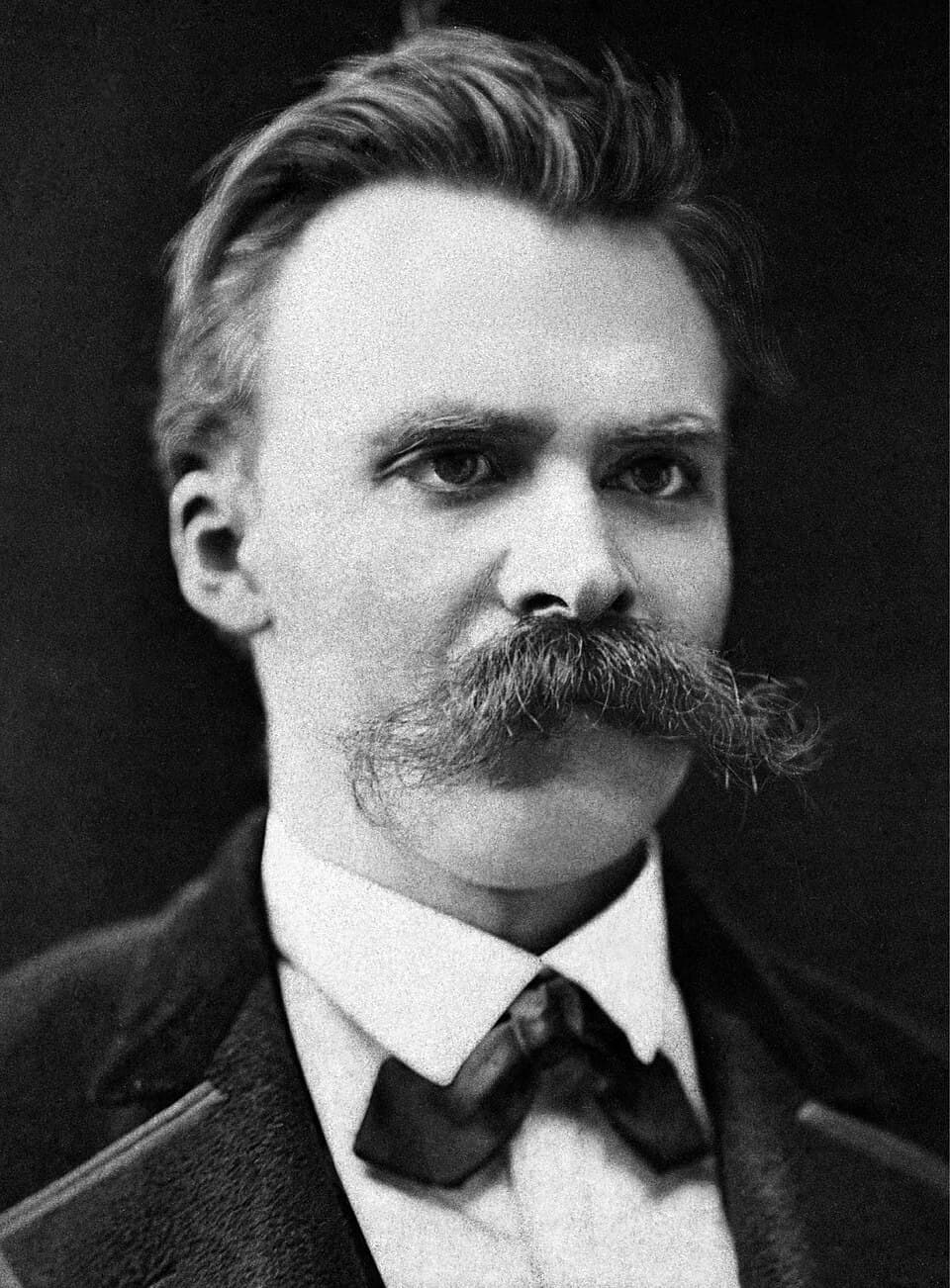
So, naturally, this was the perfect time to listen to Friedrich Nietzsche absolutely tear Western civilization to shreds.
There is something deeply cathartic about listening to The Antichrist when you're at the end of your rope. I put on my noise-canceling headphones—sorry, Denise, I know you're trying to sleep—and let the anger wash over me. Nietzsche isn't writing a polite treatise here. He's ranting. He's the original angry young man, except he's a genius philologist with a mustache that could frighten small children.
Why the Mencken Translation Matters
Here's the thing about this specific version: it uses the H.L. Mencken translation. If you don't know Mencken, imagine a grumpy, brilliant American journalist from the 1920s who hates stupidity more than anything else.
Most translations of Nietzsche try to make him sound like a dusty German professor. Mencken makes him sound like a guy shouting in a bar. It's direct. It's punchy. It puts the philosophy, as the publisher says, "right up in your face."
Nietzsche calls Christianity a "curse" and a "corruption," and in this translation, you feel the spit flying. Honestly? It's kind of refreshing. My students think they're edgy because they listen to death metal. I want to tell them, "Kids, this guy was dismantling the moral framework of Europe before electricity was common. Sit down."
The Audio Roulette
But—and this is a massive "but"—we need to talk about the narration.
The credits list "Various Readers." In the audiobook world, those two words are usually a warning sign. It's basically Russian Roulette for your ears. Since this looks like a collection (possibly LibriVox or similar public domain source repackaged), you aren't getting a single, cohesive performance. I had the same inconsistent experience with Hard Times—same "Various Readers" situation, same wild swings in quality. You're getting a potluck.
Some of the readers? Actually pretty solid. There's one guy with an English accent who brings this dry, biting wit to the text that really works. He understands that Nietzsche is being sarcastic half the time. He pauses where he should. I was nodding along, thinking, "Yes, tell them, Friedrich!"
Then the chapter changes, and suddenly you're listening to someone who sounds like they're recording inside a cardboard box in a wind tunnel. Or a narrator whose voice is just... painful. I'm talking nails-on-chalkboard quality. I literally had to skip a section because the narrator's voice was hurting my head more than the grading was.
And the production noises? Yikes. There were these weird, repetitive sounds between chapters in the version I grabbed that made me think my headphones were breaking. It's rough. It lacks that polished, silky silence you get from a high-budget Penguin Audio production.
Is It Worth The Headache?
If you're a purist about audio quality—if you need that crisp, studio-perfect sound—skip this entirely. You will turn it off in five minutes. Just buy the paperback. Seriously.
If you want more Nietzsche without the audio roulette, Beyond Good and Evil has the same philosophical gut-punch with slightly better production quality.
But if you're like me, and you're interested in the ideas more than the polish, it's still a fascinating listen. The Mencken translation carries a lot of the weight. When the narration hits, it really hits. It captures that frantic, desperate energy of Nietzsche's final lucid year.
Just keep your finger near the volume button. And maybe don't listen to it right before a faculty meeting where the principal talks about "moral leadership." It makes it really hard to keep a straight face.
(Also, Mom, please skip this one. Stick to the Jane Austen episodes. Trust me.)