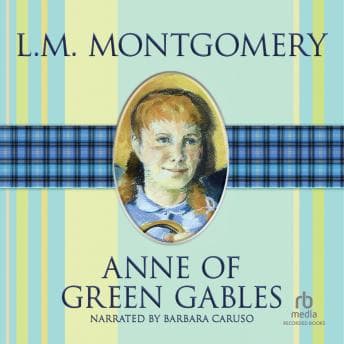

Why do we keep returning to the same stories, generation after generation? I was walking the lakefront with Denise last week - one of those rare October evenings when Chicago decides to behave itself - and I found myself genuinely moved by a book I've technically "known" for thirty years. Anne of Green Gables. A children's book. And there I was, a grown man with tenure and a mortgage, getting misty-eyed over an orphan girl who talks too much.
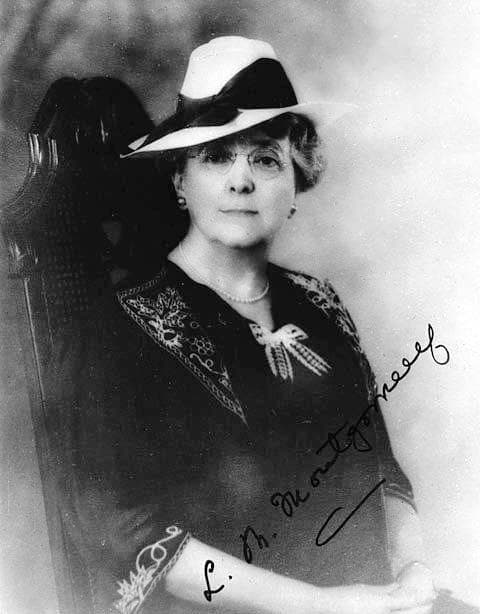
Mark Twain called Anne Shirley "the most moving and delightful child of fiction since the immortal Alice." He wasn't wrong. But here's what strikes me now, listening as an adult who spends his days watching teenagers navigate their own identity crises: Montgomery understood something profound about the human need to belong. Anne doesn't just want a home - she wants to be chosen.
Matthew's Hesitant "Well Now" and Other Small Miracles
Barbara Caruso's narration is - and I mean this as the highest compliment - invisible when it needs to be and present when it matters. She captures Matthew Cuthbert's particular brand of gentle awkwardness perfectly. That hesitant "Well now" he uses as a verbal shield? Caruso delivers it exactly as I've always heard it in my head. Shy, slightly bewildered, fundamentally kind.
Marilla gets the feistier treatment, all Presbyterian practicality and suppressed affection. The contrast works beautifully. You understand immediately why Anne melts both of them - she's everything they've protected themselves from feeling, wrapped up in red braids and endless chatter.
I should mention: this is an older recording, and you can tell. The audio quality has that slightly compressed feel of pre-digital production. It didn't bother me - I'm old enough to remember cassette tapes - but if you're used to studio-pristine recordings, adjust your expectations. The prose deserves to be savored regardless.
The Prose That Raised Me (And Still Holds Up)
Here's what I tell my students about classics: the good ones earn their place. Montgomery's descriptions of Prince Edward Island aren't just pretty - they're doing emotional work. Wuthering Heights does something similar with the Yorkshire moors - landscape as emotional architecture. When Anne names the "White Way of Delight" and "Lake of Shining Waters," she's not being precious. She's transforming a hostile world into something she can survive. That's not whimsy. That's coping mechanism as art form.
This reminds me of what Hemingway said about writing - that the dignity of movement of an iceberg is due to only one-eighth of it being above water. Anna Karenina operates on that same principle - all that glittering society concealing depths of desperation. Montgomery shows us Anne's imagination; beneath it is a child who has learned that reality is often cruel, and beauty must be manufactured from whatever materials are available.
At ten hours, this is a proper commitment. I listened over about two weeks - faculty meetings (sorry, Principal Martinez), grading sessions, a few Sunday mornings when Denise was at yoga. The pacing is what you'd expect from 1908: unhurried, episodic, more interested in character than plot. My students would hate this. I love it.
One Grating Voice and Why It Didn't Matter
I'll be honest - there's a boy character whose voice Caruso pitches in a way that grated on me slightly. It's a minor complaint in the larger scheme. The emotional scenes land where they should. When Anne finally accepts that Green Gables is home, that Marilla and Matthew have chosen her despite the mistake, despite her being the wrong gender for the work they needed - I had to pause the audiobook. Pretended I was checking my phone. Denise wasn't fooled.
The narrator understands that pause is punctuation. Caruso gives Montgomery's emotional beats room to breathe. She's not rushing to the next chapter; she trusts the material.
Who Should Listen (And Who Should Skip)
If you loved the book as a child, this audiobook will feel like coming home. If you've never read it, this is a fine introduction - though I'd recommend focused listening rather than background noise. The language rewards attention.
Skip this if you need fast pacing, you're bothered by older audio quality, or you're looking for plot-driven narrative. This is character study disguised as children's literature. Seek it out if you believe some books deserve to exist at 1.0x speed, you appreciate narration that serves the text rather than showboats, or you simply need to remember that hope is a renewable resource.
Worth Pausing the Faculty Meeting For
Anne of Green Gables endures because it tells a truth we need to hear repeatedly: that we are capable of being better than our first instincts. Marilla expected a boy and got a girl. She could have sent Anne back. She didn't. Matthew expected a farmhand and got a dreamer. He loved her anyway.
Barbara Caruso's narration honors that truth. The recording shows its age, but the story doesn't. Some books are classics because they were important once. This one is a classic because it's still important now.
This is why we still read the classics. Or in this case, listen to them while pretending to pay attention to budget presentations.