
How much of your app's magic is just... physics that feels right?
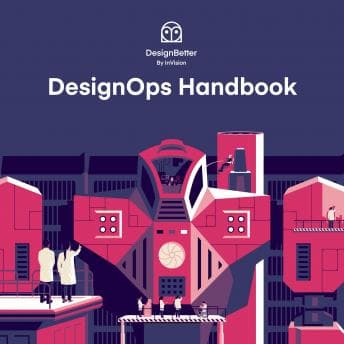
I've been thinking about this ever since I crushed this 65-minute handbook during a single train ride from SF to Mountain View. My team just shipped a feature with some janky transitions—the kind where buttons appear like they're teleporting instead of moving—and I've been low-key bothered by it. So when I saw an Apple Design Award winner wrote a book about animation principles for product design, I figured it was worth the short time investment.
Bottom Line: Worth your commute. Actually, worth exactly one commute. The ROI on this audiobook is surprisingly high for something you can finish before your coffee gets cold.
The "Why" Behind That Satisfying Button Press
Ryan McLeod's core argument is pretty simple: animation isn't decoration, it's communication. The seven principles he lays out are basically physics translated into UX—things like how objects should accelerate and decelerate naturally, why elements need to "follow through" like real-world objects with mass, and how timing creates emotional tone.
What I actually appreciated? He doesn't just say "make it feel natural." He explains why our brains expect certain behaviors. When a modal slides up from the bottom of your screen, you unconsciously register where it "lives" so you know how to dismiss it. When it just pops in? Your brain spends cognitive cycles figuring out what happened. It's basically distributed systems thinking but for eyeballs—reduce latency, maintain state consistency, make the system behavior predictable. The cognitive psychology angle here reminded me of Marshmallow Test: Mastering Self-Control—both are about understanding how our brains process information and make split-second decisions.
The case studies from Google, Lyft, Headspace, and Zova Fitness are genuinely useful. Headspace in particular—hearing how they use animation to reinforce the calm, deliberate vibe of a meditation app made me realize how much our product's nervous, twitchy animations undermine what we're trying to do.
The Audiobook Format Problem (And Why It Still Works)
Okay, real talk: a book about visual animation in audio format is inherently weird. You're hearing descriptions of motion you can't see. McLeod clearly knows this is a limitation—he keeps his explanations conceptual rather than trying to describe specific keyframe timings or easing curves. Smart choice.
Joey Schaljo's narration is... fine? It's professional, clear, no weird pacing issues. But there's not much personality either. For a 65-minute handbook, that's actually okay—you want the information delivered cleanly, not a dramatic performance. Think of it like a well-produced internal tech talk rather than a TED talk. Gets the job done.
At 1.5x speed, this thing flies by. I bumped it to 1.75x for some of the more repetitive sections (yes, I understand animation builds trust—you've made that point three times now) and still caught everything.
Who This Is For (And Who Should Skip)
This is basically "Don't Make Me Think" but for motion. If you're an engineer who can tell when animations feel off but can't articulate why, this gives you the vocabulary. If you're arguing with designers about whether that 300ms delay is necessary (spoiler: it probably is), this gives you ammunition. If you've ever implemented an animation that technically matched the spec but still felt wrong, this explains the gap between "correct" and "right."
Skip if: you're already deep in motion design. This is principles, not techniques. No After Effects tutorials here. Also skip if you need something to get you through a long flight—you'll finish before they even do beverage service.
Ship It
I finished this in one ride and immediately Slacked my team about three specific things we should fix in our next sprint. That's the highest compliment I can give a technical audiobook—it changed what I'm going to do at work tomorrow.
Could this have been a blog post? Honestly, maybe a really long one. But the audiobook format forced me to actually absorb it instead of skimming. And at just over an hour, the commitment level is basically nothing. You've probably spent more time this week debugging a CSS transition.
The science actually holds up—McLeod grounds everything in cognitive psychology and physics intuition rather than just aesthetic preferences. That makes it way more useful when you're trying to convince stakeholders that animation work isn't just polish, it's functionality.
Worth the credit? For the length, I'd say wait for a sale or use a streaming subscription. But worth your time? Absolutely. One commute, tangible value, no fluff. That's the dream.





![Steve Jobs [unabridged audiobook] audiobook cover](/_next/image?url=https%3A%2F%2Fcovers.audiobooks.com%2Fimages%2Fcovers%2Ffull%2F9788499923406.jpg&w=1920&q=75)