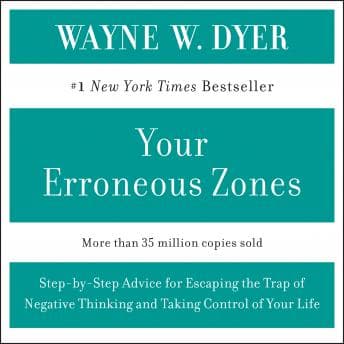

I picked this up expecting a standard self-help audiobook. What I got was Wayne Dyer basically having a 90-minute conversation with me about why I'm sabotaging myself. And honestly? It worked better than the traditional format would have.
Not What I Expected, But Maybe What I Needed
Here's the thing they don't tell you upfront: this isn't Dyer reading his book. It's Dyer talking about his book. Like he invited you to his office, made you sit down, and said "let me explain what I really meant." Some people hate this. I get it—you bought the book, you want the book. But as someone who's sat through countless business book audiobooks where authors drone through their own prose like they're reading a legal contract, Dyer's approach is refreshing.
The man was a therapist and a motivational speaker before "motivational speaker" became a punchline. You can hear it. His voice has this quality—not slick, not performative—just steady. Like a mentor who's seen your exact problems in a hundred clients before you.
The Core Ideas Still Hit
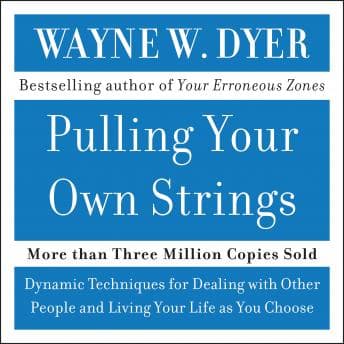
The concept of "erroneous zones"—these mental patterns that trip us up—isn't groundbreaking in 2024. QBQ! tackles similar territory with personal accountability, though it's aimed squarely at the workplace crowd. Every productivity guru and their podcast has covered some version of this. But Dyer was doing it in 1976. My parents were running their dry cleaning shop back then, working 14-hour days, and they didn't have time for self-help books. They would've appreciated Millionaire Next Door though—it actually celebrates people like them instead of pretending everyone needs therapy. They just pushed through. Dyer's message—that you can actually choose how external events affect you—would've been useful for them. It's still useful now.
The key takeaway is worth the listen. The other 7 hours you'd expect from a traditional audiobook? Not so much—because this is only 89 minutes. And that's actually the point. Dyer condenses his ideas into something you can absorb on a single commute. No padding. No "let me tell you another story about my client named 'Steve' who definitely isn't made up."
He covers the usual suspects: guilt, worry, approval-seeking, perfectionism. But he does it with this conversational directness that cuts through the typical self-help fluff. There's even humor in there—dry observations about human behavior that made me smirk while stuck in traffic.
The Format Trade-Off
I can already hear the objections. "But I wanted the full book experience." Fair. If you're someone who needs structure, chapters, the whole nine yards—this might frustrate you. It's more podcast than audiobook, more lecture than literature. (Jenny would say I'm being too generous here. She tried listening to it and said it felt like being cornered at a party by someone who read one psychology book. She's not wrong, but she's also not the target audience.)
But here's my counter: most self-help books have maybe 45 minutes of actual insight stretched into 8 hours. Dyer just... gave you the 45 minutes. At 2.0x speed, I was done in under an hour. That's efficiency I can respect.
The production is clean—no weird audio issues, no distracting background noise. Just Dyer's voice, your ears, and some ideas that have sold 35 million copies for a reason.
Who Gets Value Here (And Who Doesn't)
If you're new to self-help and want a gateway drug, this works. If you're a seasoned reader of the genre looking for something new, you probably already know this material. Want a traditional audiobook reading? Look elsewhere. Want someone to talk sense at you for 90 minutes while you're doing dishes? Dyer's your guy.
The ROI Calculation
It's a TED talk before TED talks existed. The ideas aren't revolutionary anymore because they already revolutionized the genre. But sometimes the original is still worth hearing—especially when the original sounds this genuine.