
How many books on prayer have I actually finished? Like, really finished - not just started with good intentions during Lent and then abandoned somewhere around chapter four?
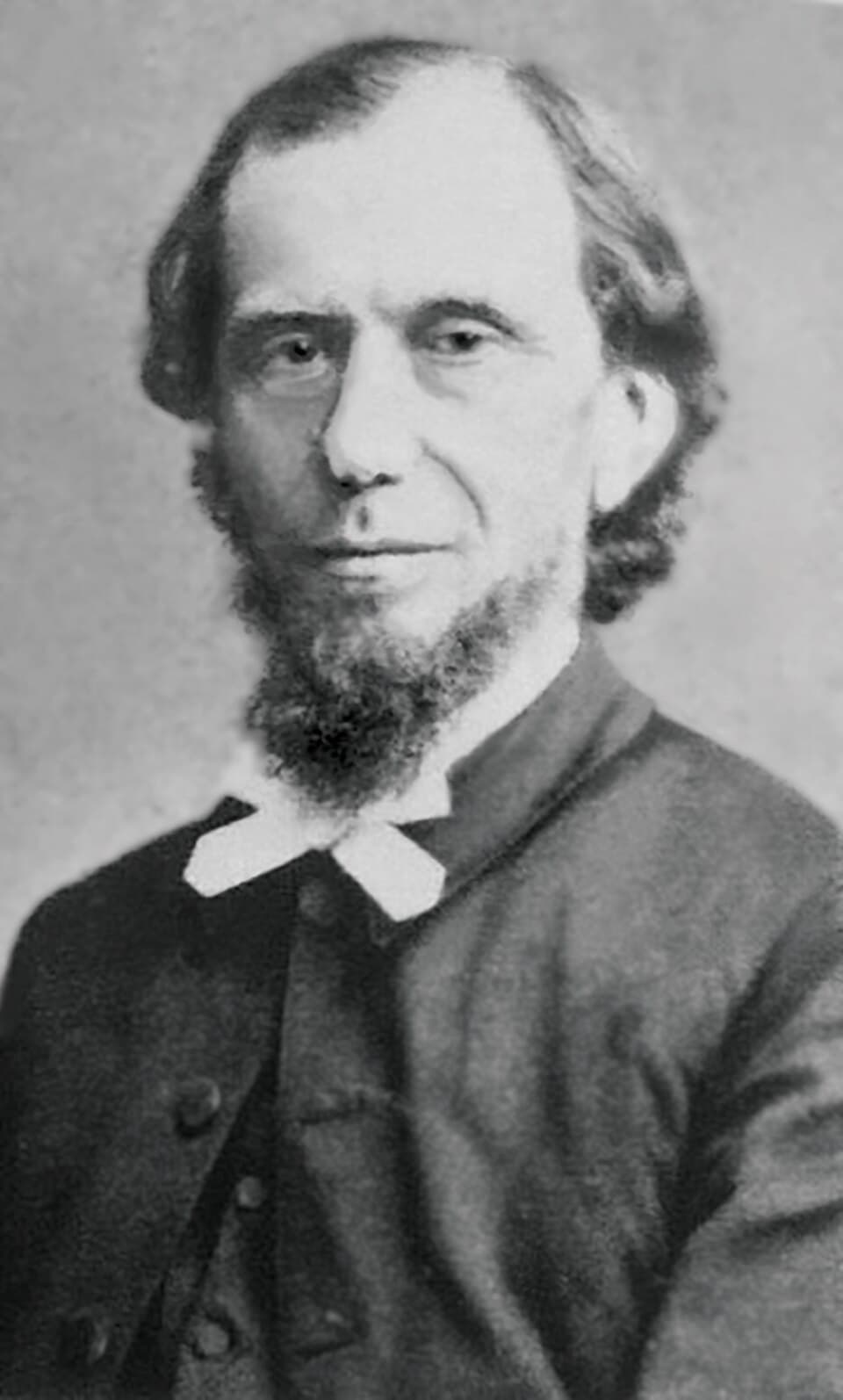
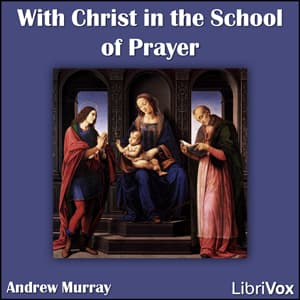
This one I finished. Twice, actually. Once walking the lakefront in October when the leaves were turning, and again during those brutal February weeks when grading sophomore essays on The Great Gatsby made me question every life choice. Andrew Murray's With Christ in the School of Prayer became my companion through both seasons, and honestly? It wrecked me in the best possible way.
What Murray Understood About Silence
Look, I teach literature for a living. I know when an author respects their reader and when they're just filling pages. Murray - writing in 1885, mind you - understood something that most modern devotional writers miss entirely: the weight of a pause. His prose is structured, yes. Almost methodical. But there's a rhythm to it that rewards patience.
This reminds me of Hemingway's iceberg theory - what's unsaid carries as much weight as what's written. Murray's 31 lessons on prayer work the same way. Each one builds on the last, but he leaves room for you to sit with the ideas. He's not rushing you toward some emotional climax. He's teaching. And teaching, as any of us who've stood in front of bored teenagers can tell you, requires trust in the process.
The prose deserves to be savored. I listened at 1.0x because - and my students would roll their eyes at this - the author chose those words. Murray's sentences have a cadence that gets lost if you're speeding through at 1.5x trying to check another book off your list. This isn't that kind of book.
Joy Chan Gets It
I couldn't find much about Joy Chan online, but based on this performance? She understands that pause is punctuation. Her narration is clear and soothing without being sleepy - which is harder than it sounds for devotional content. I've listened to plenty of religious audiobooks where the narrator either sounds like they're reading a phone book or they're so dramatically intense that I can't focus on the actual words.
Chan hits this sweet spot. She's present without being intrusive. The production is clean - no weird volume shifts, no background noise, nothing to pull you out of the meditation. For nearly eight hours of content, that consistency matters.
Here's the thing: devotional audiobooks live or die by whether you can actually pray while listening. Can you pause, reflect, and come back without losing the thread? With Chan's narration, yes. She's not performing Murray. She's serving him.
Who This Is (and Isn't) For
Let's be real. If you're looking for something fast-paced or modern in tone, this isn't it. Murray writes like a 19th-century pastor because he was one. The language is formal. The structure is deliberate. If you're drawn to that kind of contemplative, structured approach to spiritual practice, Science the Mind offers a similar methodical framework—though it comes at things from a completely different angle. My students would hate this. I love it.
But if you're in a season where you're genuinely asking hard questions about prayer - not just going through the motions, but actually wrestling with why it matters and how it works - Murray has something to say. One listener put it perfectly: "This book challenged my unbelief and grew my boldness." That tracks.
I found myself pausing the audiobook during faculty meetings (sorry, Principal Martinez) just to sit with a particular phrase. Murray writes things like "the Father waits to hear every prayer of faith" and suddenly the budget presentation fades and you're somewhere else entirely.
Skip this if: You want contemporary language, quick spiritual fixes, or anything resembling a podcast vibe. Listen if: You're ready to slow down and let a 19th-century pastor ask you uncomfortable questions about your prayer life.
Worth Pausing the Faculty Meeting For
A classic book on prayer that speaks as powerfully today as it did in 1885 - that's not hyperbole. Murray's structured approach means you could genuinely use this as a 31-day devotional, one lesson per commute or morning walk. Or you could do what I did and just let it wash over you during those seasons when grading papers at 11PM threatens to drain whatever spiritual life you have left.
The audiobook format actually serves this book well. Reading Murray on the page can feel dense. Hearing it - with space to breathe, with Chan's measured delivery - makes it accessible without dumbing it down.
Would I listen again? Already planning my third round for next fall. Some books you read once. Some books become companions. This one taught me something about prayer I'd missed in twenty years of Sunday school and seminary-adjacent reading: it's not about technique. It's about relationship. And Murray, a South African pastor who died over a century ago, somehow still has something to say about that.