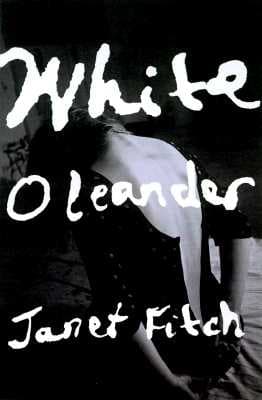

Look, I'll just say it: when Oprah Winfrey wants to narrate your debut novel, you've done something right. And Janet Fitch absolutely did something right with White Oleander.
I finished this one walking the lakefront last week, and I had to sit down on a bench for a minute afterward. Not because I was tired. Because Astrid's journey through the Los Angeles foster care system had hollowed me out in the best possible way. This is the kind of literary fiction I live for - prose so sharp it cuts, characters so real they haunt you.
Why Fitch's Prose Demands to Be Heard
Here's what my students don't understand about audiobooks: some writers compose sentences that are meant to be spoken aloud. Janet Fitch is one of them. Her prose is poetic without being precious, lyrical without losing its edge. Every metaphor earns its place. Every image burns itself into your brain.
The white oleander itself - beautiful and poisonous, just like Ingrid, Astrid's brilliant, manipulative mother. Fitch doesn't explain the symbolism. She trusts you to feel it. And when you're listening rather than reading, when those words are literally entering your ears, the effect is almost physical. I caught myself holding my breath during the murder scene. During a walk. In public.
This is a coming-of-age story, sure, but calling it that feels reductive. It's really about identity - how we construct ourselves from the wreckage of our childhoods, how we carry our mothers inside us whether we want to or not. Each foster home Astrid enters becomes its own universe with its own rules, and watching her adapt and survive and sometimes nearly break... that's the gut-punch. Over and over.
The Voice in My Head (Literally Oprah's)
Okay, so here's where it gets interesting. Oprah loved this book so much she asked to narrate it. That's not typical celebrity audiobook territory - this wasn't a promotional obligation. She genuinely connected with the material, and you can hear it.
Her narration is warm and dramatic, emotionally intense in ways that match Fitch's prose perfectly. She brings real depth to the pain and the hope, and her pacing gives the poetic language room to breathe. I listened at 1.0x (obviously) and never once felt the urge to speed up. The words deserve their full weight.
But - and this is worth mentioning - Oprah's voice is deep. Rich. Distinctly adult. And Astrid is a teenager for most of this story. Some listeners find the mismatch distracting. I didn't, honestly. To me, it felt like Astrid looking back on her own story, like a woman remembering who she was. There's wisdom in that voice, the kind of wisdom you only get from surviving what Astrid survived.
Still, if you're particular about narrator age-matching, you should know going in. Sample first.
The Abridgment Problem (Yes, There Is One)
Here's the thing that genuinely frustrates me: this audiobook is abridged. Six hours and twenty minutes instead of the full novel. And look, I understand why abridgments exist - they did in the early audiobook days, anyway - but losing any of Fitch's prose feels like a crime.
I didn't notice obvious gaps while listening, which speaks to how well it was done. But afterward, knowing what I was missing? That stings. If you're a completist, if you want every word Fitch wrote, you might need to read the physical book alongside this. Or accept the abridgment as its own experience. I've made my peace with it, mostly.
(My students would say I'm being dramatic. They're not wrong.)
Who Should Listen (And Who Should Skip)
This is literary fiction for people who actually like literary fiction. If you loved The Glass Castle or Room, if mother-daughter dynamics fascinate you, if you want prose that makes you stop and rewind just to hear a sentence again - this is your book.
That same focus on complex family relationships drives Husband's Secret, though Moriarty takes a lighter touch with the darkness.
But fair warning: it's emotionally intense. There's violence, abuse, content that's genuinely difficult. Fitch doesn't flinch from the ugliness of Astrid's world, and neither does Oprah's narration. This isn't a comfort listen. It's a challenge-your-soul listen.
Skip it if you need unabridged or if celebrity narrators automatically annoy you. Skip it if you're in a fragile headspace. But if you're ready for something that will make you think about mothers and daughters and survival and identity for weeks afterward?
This is why we still read the classics. And why some contemporary novels deserve to stand beside them.