
The "Sophomore Slump" Fear vs. Reality
Okay, let's be real for a second. I was terrified to start this book.
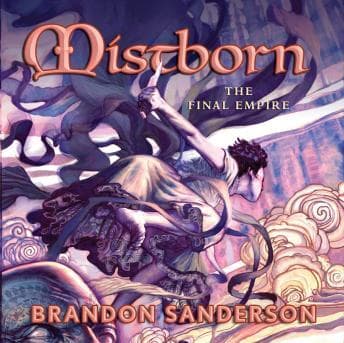
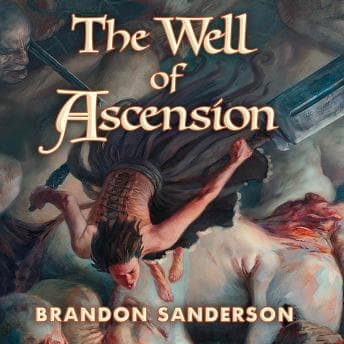
I finished The Final Empire (Mistborn #1) during a coding sprint last month and it was... perfect. The heist structure? Flawless. The magic system? Logically consistent enough to be a programming language. So when I saw The Well of Ascension clocked in at 29 hours—and it was mostly about politics and a siege—I panicked. Middle books in trilogies are usually just filler, right? Like that awkward period between writing code and actually deploying it where everything is just waiting in staging?
I started this on the 6:14 AM northbound Caltrain, surrounded by people sleeping in hoodies. By the time I hit the 30% mark, I realized something: This isn't a heist movie anymore. It's a disaster recovery simulation.
Politics, Imposter Syndrome, and Michael Kramer's Gravitas
Here's the thing about this book: It's basically a manual on how not to run a startup after the founders leave. The Lord Ruler is gone (the legacy monolith has been deprecated), and now Elend and Vin have to manage the chaotic microservices left behind.
And honestly? It's stressful.
Michael Kramer, though. The man is a legend. He does the same thing in Never Split the Difference—turns what could be dry material into something you actually want to keep listening to. I know I fangirl over Ray Porter usually, but Kramer brings this gravitas that holds the whole thing together. He does this specific thing with Elend's voice—injecting just enough hesitation and softness—that perfectly captures the guy's massive Imposter Syndrome. Elend is trying to be a king while reading books about how to be a king. Kramer makes you feel that awkwardness.
(There were moments I wanted to shake Elend, but then I remembered my first week as a Senior Dev and... yeah. I get it.)
Kramer also keeps the different crews distinct. When you're listening to a 29-hour audio file, if the narrator doesn't have distinct voices, you get lost. I never got lost. Even when I was half-asleep passing SFO.
The "Slog" is Real (But Necessary)
I'm not gonna lie to you—the middle drags.
There is a lot of sitting around discussing constitutions and philosophy while armies camp outside the walls. It's a siege. Sieges are boring by definition. If you're looking for the non-stop action of the first book, you might think your download is glitching.
I actually bumped my speed up to 1.75x for some of the Vin/Elend relationship drama. It felt a little... YA for me? A bit too much "does he like me, am I good enough" looping logic.
But—and this is a huge BUT—Sanderson is an architect. He doesn't put stuff in for no reason. All that boring political maneuvering? It's setting up the variables for the finale. And when that stack overflow finally happens in the last 10%... oh my god.
The Verdict: Worth the 29-Hour Investment
The ROI on this book is massive. It got me through two full weeks of commuting plus some gym sessions.
It's not as tight as the first book. It's messy, it's anxious, and it spends a lot of time debugging the political system. But the ending recontextualizes everything. Literally everything. By the time the final twist hit, I almost missed my stop at Mountain View. Sanderson pulls off similar "everything you knew was wrong" moments in Rhythm of War, though that one's even longer at 57 hours.
Who should listen: If you loved The Final Empire and can handle a slower burn with political intrigue, push through the middle. Trust the process. Who should skip: If you need constant action and can't stand YA-flavored relationship angst, this one might test your patience.