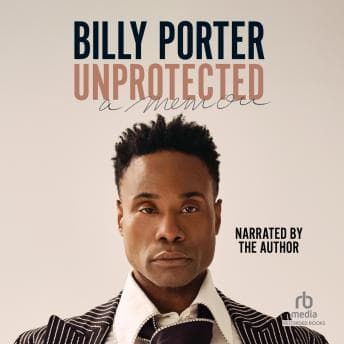

I thought I was ready for this one. I've listened to memoirs about trauma before, I've cried through plenty of them, and I figured Billy Porter's story would be powerful but manageable. Reader, I was not ready. I had to pause three separate times during my morning design work because I couldn't see my screen through the tears. Frida actually jumped on my desk to check on me during the chapter about his stepfather. Even my judgmental cat knew something was happening.
Here's the thing about celebrity memoirs—they can feel so polished, so PR-approved, that you forget there's a real person underneath all the red carpet moments. This is not that. Billy Porter rips himself open in this book in ways that made me genuinely uncomfortable at times. Not because it's gratuitous, but because it's so raw and honest that you feel like you're intruding on something sacred.
When He Talks About His Childhood, You Feel It In Your Chest
The early chapters hit different when Billy himself is narrating. There's this moment when he describes being sent to therapy at five years old to "fix" his effeminacy, and his voice—that gorgeous, distinctive rasp—gets quieter. Not for dramatic effect, but because you can hear him remembering. That's the thing about author-narrated memoirs. A professional narrator would have delivered those lines beautifully, but Billy delivers them like someone who still carries those wounds.
The sexual abuse sections are devastating. I'm not going to sugarcoat it—if you're sensitive to those topics, please know they're discussed in detail. In Pieces had that same unflinching honesty about childhood trauma, and I cried through both for similar reasons. But the way he processes that trauma, the way he connects it to his struggles with intimacy and self-worth later in life... Abuela would have cried with me. She would have said "pobrecito" and meant it with her whole heart.
That Voice Though
Billy Porter narrating his own memoir is basically the only choice that makes sense, but I still need to talk about it. His theatrical training shows up in the best ways—he knows when to lean into the drama and when to pull back. The man won a Tony, an Emmy, and a Grammy for a reason. But what surprised me was the humor. Even in the darkest sections, there are these moments of such sharp, self-aware wit that I'd find myself laughing through tears.
His voice has this warmth that makes you feel like you're sitting across from him at a coffee shop while he tells you his life story. Except the coffee shop is your apartment and you're supposed to be designing a logo for a sustainable skincare brand but instead you're ugly-crying into your third cup of coffee.
The pacing is perfect for 1.0x listening (yes, I'm one of those people). At 12 hours, it's a commitment, but it never dragged for me. The chapters about his Broadway struggles, the racism and homophobia he faced in the industry, the way he was told he was "too much" for decades before the world finally caught up to him—all of it flows naturally.
A Rainy Sunday Book (That Won't Wait For Rain)
I listened to most of this over three days while working on a rebrand project. Not my usual choice for work listening—I usually save the heavy stuff for dedicated listening time. But once I started, I couldn't switch to something lighter. The story demanded to be heard.
The sections about Pose and Kinky Boots are fascinating if you're into theater and entertainment (I am, obsessively), but even if you're not, they're really about something bigger. They're about what it means to finally be seen after a lifetime of being told you're too gay, too Black, too femme, too much. And when Billy talks about walking his first red carpet in that tuxedo gown? MY HEART. My heart.
I will say—if you prefer subdued, quiet narration, this might not be your vibe. Billy Porter is theatrical. He's dramatic. He's unapologetically himself. But honestly? That's the whole point of the book. He spent decades being told to tone it down, and this memoir is him refusing to do that ever again.
Who Needs To Hear This (And Who Should Maybe Wait)
If you're queer and you've ever felt too much for the world around you, this book is going to hit you somewhere deep. If you've experienced childhood trauma and you're working through it, Billy's honesty about therapy and healing might give you something you didn't know you needed. If you just love a good memoir that doesn't hold back, that treats you like an adult who can handle the truth—this is it. But if you need content warnings for sexual abuse or you're not in a place to process heavy material right now, save this one for when you're ready.
I'm adding this to my permanent collection. Some audiobooks you listen to once and you're good. This one I'll come back to when I need to remember that survival is its own kind of victory.









