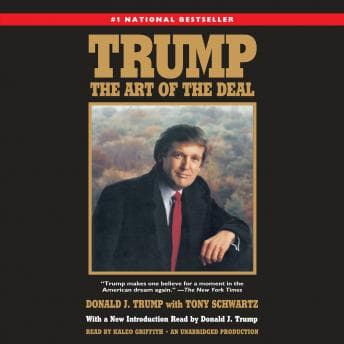

Look, I'm going to be upfront about something: reviewing this book in 2024 is basically walking into a minefield wearing clown shoes. But here's the thing - I'm a consultant. I've sat through more pitch meetings than I can count. And this book? It's a 10-hour pitch meeting from 1987.
Quick Verdict: There's maybe 90 minutes of actual deal-making insight buried in here. The rest is Trump telling you how great Trump is at being Trump. My 2.0x speed couldn't save this one.
The Actual Business Content (When It Shows Up)
Let me separate the business content from the... everything else. The negotiation tactics - when they appear - are pretty basic stuff. Know your leverage. Be willing to walk away. Think bigger than the other guy. This is what my parents did instinctively. Now it has a TED talk. My dad negotiated better terms with his dry cleaning suppliers using these exact principles, except he never wrote a book about it because he was too busy, you know, actually working.
The book follows Trump through a typical week, which sounds interesting until you realize it's mostly name-dropping and self-congratulation. Grand Hyatt deal? He'll tell you about it. Trump Tower? Multiple times. The USFL? (We don't talk about the USFL.) Every chapter is basically: here's a deal I made, here's how everyone said it couldn't be done, here's how I did it anyway because I'm a genius.
Here's what's actually useful though - and I'm being serious now - the chapter on negotiation psychology has some decent tactical stuff. The concept of "truthful hyperbole" is genuinely interesting from a persuasion standpoint. Ethically questionable? Sure. But as a framework for understanding how certain deals get made? Worth examining. Skip to chapter 2. Thank me later.
Two Narrators, Two Experiences
Trump narrates parts of it, which is... an experience. You get about 15 minutes of his actual voice doing the introduction and some interludes. The rest is Kaleo Griffith, who does solid work making the material engaging. His delivery is clean, professional, warm even. The production quality is legitimately good - no complaints there.
But I gotta be honest - some listeners wanted more Trump narration and I'm sitting here thinking "really?" Griffith's version is way more listenable. Trump's sections have that stream-of-consciousness energy that works in speeches but gets exhausting over 10 hours. Griffith smooths out the rough edges and makes the business content actually digestible.
The pacing drags in the middle chapters. There's a lot of real estate minutiae that, unless you're specifically interested in 1980s Manhattan zoning battles, will have you zoning out. (See what I did there? Jenny would groan. Jenny is right.) I found myself doing dishes, folding laundry, anything to stay engaged during the slower sections.
A Consultant's Reality Check
I've seen the principles in this book both succeed and fail spectacularly at companies I've worked with. The "think big" mentality works great when you have capital to absorb losses. For the startup founders I work with now? Following this playbook without the safety net could be catastrophic. The book never really addresses what happens when the big thinking doesn't pan out - which, historically speaking, has happened to Trump himself multiple times.
The ghostwriter elephant in the room: Tony Schwartz has been pretty vocal about his regrets writing this book. That context colors everything. How much is authentic Trump philosophy versus Schwartz making Trump sound coherent? I genuinely don't know. But as a business book, you're evaluating the ideas on the page, not the authorship drama.
Who Gets Value Here (And Who Doesn't)
If you're studying persuasion tactics, negotiation psychology, or 1980s business culture, there's material here. If you're a completionist who wants to understand a significant cultural artifact, sure. Business and entrepreneurship enthusiasts will find some value, though honestly there are better negotiation books out there.
Skip it if you want practical, applicable frameworks you can use Monday morning. Or if 10 hours of someone telling you how great they are sounds exhausting. Because it is.
The ROI Breakdown
This is a time capsule, not a textbook. The deal-making insights that exist are basic enough that you could get them from a podcast episode. If you want actual practical frameworks for daily productivity, How to Live on Twenty-Four Hours a Day delivers more useful content in a fraction of the time. The rest is autobiography dressed up as business wisdom. At 2.0x speed, it's tolerable. At 1.0x? Life's too short.
Jenny asked if I learned anything. I told her I learned that some people really, really want you to know they're successful. She said that's not new information. She's not wrong.