
It's 11:30 PM on a Tuesday. Shirley (the cat, not the author, though she acts like she wrote The Haunting of Hill House) is staring at a corner of the ceiling where there is absolutely nothing. Or maybe there is. That's the mood. I needed a horror fix, but I have the early shift at the library tomorrow—stacking returns is brutal when you're running on three hours of sleep and caffeine jitters.
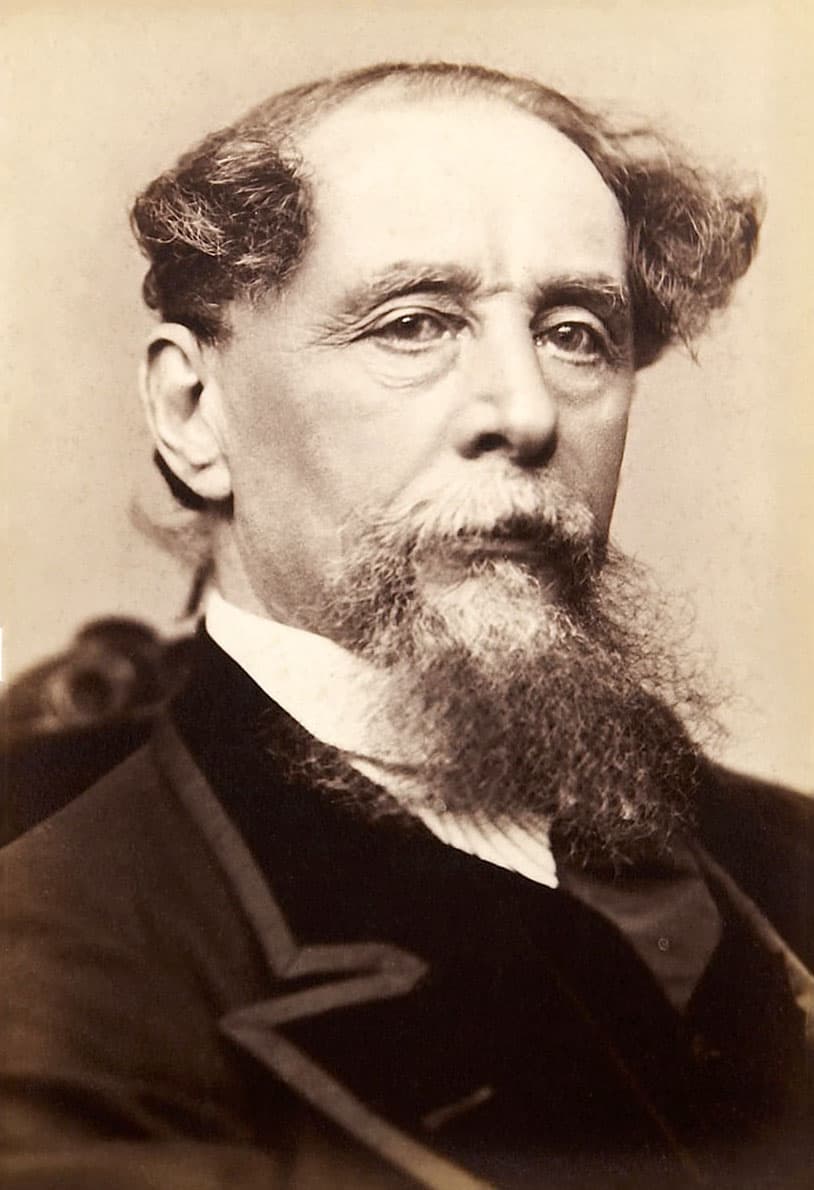
So, I grabbed Trial for Murder by Charles Dickens. Thirty minutes. A bite-sized ghost story. Perfect, right?
Well. Let's talk about it.
Victorian Dread in Miniature
Here's the thing about Dickens—the man knew dread. Everyone remembers the chains in A Christmas Carol, but his short fiction? It's where he really let the shadows lengthen. His longer work, like Tale of Two Cities, has that same creeping unease buried under the historical drama. This story is basically a courtroom procedural mixed with a supernatural stalking. It's not a jump-scare fest. It's that heavy, suffocating feeling where reality just... bends a little.
I listened to this in the dark (obviously), and the story itself holds up. It's about a juror seeing the ghost of the murdered victim in the courtroom. Subtle. Psychological. The kind of horror that respects your intelligence rather than just shouting "BOO!" in your ear.
(And honestly, isn't the legal system scary enough without specters involved? Just me? Okay.)
The Narrator Situation
Okay, we need to address the elephant in the recording booth.
Christiane Levesque narrates this. Now, the audio quality? Crisp. Clean. No weird mouth noises or background hiss. Technically, it's solid.
But—and this is a big "but" for my fellow atmosphere snobs—she's American.
Like, very American.
We are in Victorian London. We are dealing with British barristers and stiff upper lips. And hearing a narrator who sounds like she could be reading the news in Chicago is... jarring. It creates this weird cognitive dissonance. My brain is trying to build a foggy London street, and the voice is giving me a sunny day in the Midwest.
Does she commit? Yes. She's clear, she's smooth, she doesn't stumble. But does she get the gothic creepiness? Eh. It felt a bit too bright. Too cheerful. I wanted more gravel. I wanted someone who sounds like they've seen a ghost, not someone reading a grocery list.
If you're a purist who needs the accent to match the author, this is going to bug you. A lot.
Is It Worth The 30 Minutes?
Look, it's Dickens. The writing is dense. He didn't write sentences; he wrote architectural structures. Hard Times has that same Victorian verbosity, but at least there you get more pages to settle into his rhythm. If you zone out for ten seconds, you've missed three plot points and a description of a doorknob.
Because the narration is so straightforward, it actually helps parse the language a bit. You don't have to fight through a thick Cockney accent to understand the words. So, for accessibility? It works. For vibes? It's a mixed bag.
Shirley fell asleep five minutes in, so she clearly wasn't terrified. But I found myself weirdly compelled anyway. The story is just that good. It rises above the delivery.
The Verdict
Listen if: You want a quick hit of classic Victorian ghost story, you're new to Dickens and need something short to test the waters, or you've got a half-hour commute and want to say you "read" some literature today.
Skip if: Accent mismatches pull you out of period pieces, or you need theatrical, atmospheric narration to get into horror.
It's a solid story that reminds you why the Victorians owned the ghost story genre. Just don't expect an immersive performance. Think of it as a friend reading to you, rather than a performance art piece.
(And seriously, if you see a ghost in a jury box... maybe just recuse yourself. That's free legal advice.)