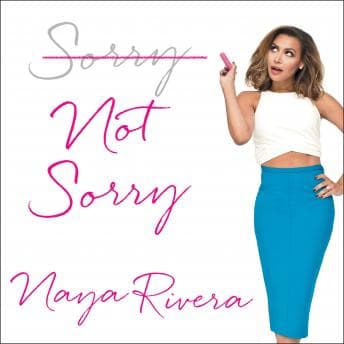

"There's still a thirteen-year-old girl inside of me making detailed lists of how I can improve, who's never sure of my own self-worth."
That line hit me somewhere around hour three, and I had to pause my walk. Because here's the thing - I've sat across from Fortune 500 executives who'd never admit that out loud, but you can see it in how they operate. Naya Rivera just... says it. No corporate spin. No personal branding filter.
Look, I picked this up because Jenny insisted I needed something "not about quarterly projections" in my rotation. She was right. (Don't tell her I said that.)
The Hustle Before the Spotlight
What grabbed me wasn't the Glee stories - it was the grind before. Child actor to Hooters waitress to breakthrough. That's not a career path you find in any McKinsey case study, but it's the most honest business trajectory I've heard in months. Her mom as manager, the financial struggles, the constant pivoting. My parents would recognize that hustle. Different industry, same survival math.
Rivera narrates her own book, which - in memoir terms - is either a gift or a disaster. Here, it mostly works. Her delivery is warm, conversational, like she's telling you this stuff over coffee. You can hear when she's genuinely amused by her younger self's decisions versus when she's still processing something painful. Becoming had that same quality—Michelle Obama narrating her own story with zero corporate filter. That emotional honesty? You can't fake it. I've heard enough polished executive speeches to know the difference.
The pacing isn't perfect. Some sections drag, particularly early on when she's setting the stage. I bumped up to 2.0x for about twenty minutes, then dropped back down when things got more personal. At under six hours total, though, this respects your time more than most memoirs I've encountered.
Where the "Sorry Not Sorry" Gimmick Falls Flat
Okay, so here's my issue. The book has these lists at the end of chapters - like a summary of lessons learned. And they're... not great. They feel like someone's editor said "we need takeaways for the self-help crowd" and Rivera obliged, but her heart wasn't in it. It's like getting a brilliant presentation and then having someone hand you a mediocre one-pager afterward. The stories themselves carry the weight. The lists just get in the way.
Some listeners found her tone "desperate" or approval-seeking. I didn't hear that, exactly. What I heard was vulnerability without the usual celebrity armor. That thirteen-year-old inside Rivera making lists of self-improvement? Healing the Shame That Binds You unpacks exactly where that voice comes from. Is that uncomfortable? Maybe. But it's also why this works better than most Hollywood memoirs that are basically extended press releases.
Who Should Listen (And Who Should Skip)
Bottom line: This isn't a business book. It's not going to teach you frameworks or give you competitive advantage. But if you're someone who grew up watching your parents work brutal hours while you figured out your own path - or if you've ever felt like an imposter despite external success - there's something here. Skip if you need deep strategic insights or if surface-level celebrity memoir isn't your thing.
Best for commutes. Easy listening, emotionally honest without being heavy.
Rivera's story about resilience, about the gap between how you look and how you feel, about working through family dynamics while building a career - that's real. The other five hours? Mostly solid, with a few skippable sections.
Jenny asked if I liked it. I said it was "efficiently vulnerable." She said that's the most David Park compliment she's ever heard. She's not wrong.









