
Look, I usually stick to hard sci-fi or books about scaling distributed systems. But sometimes the system that's crashing is... well, me.
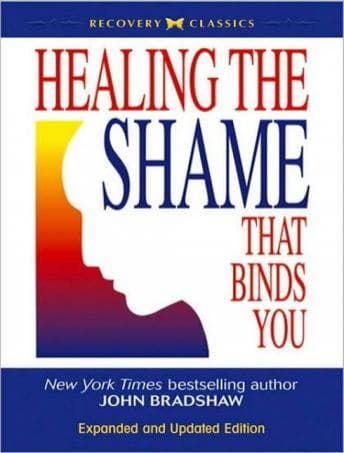
I picked this up after a particularly brutal code review where I spiraled from "I missed a semicolon" to "I am a fraud and everyone at Google knows it." (Classic, right?) My boyfriend Kevin suggested I chill out with some Bobiverse, but I needed to debug the actual issue. Enter John Bradshaw.
Let's be real—this is heavy stuff. It's not a breezy listen while you're dodging tourists at the Ferry Building.
THE ROOT CAUSE ANALYSIS OF YOUR BRAIN
Bradshaw's whole thesis is basically distinguishing between "I made a mistake" (healthy shame) and "I am a mistake" (toxic shame).
When he laid that out? Oof. It hit me like a pager duty alert at 3 AM.
The content is dense. Like, legacy code dense. He goes into family systems, addiction, and how we inherit this baggage. It explains so much about why high-achievers (looking at you, fellow techies) burn out. We're trying to outrun the shame. I've found Anxious for Nothing pairs well with this—it's lighter, more practical for day-to-day anxiety management when the shame stuff gets too heavy.
But—and here's the warning—it can get repetitive. There were moments where I felt like he was refactoring the same point three different ways. I zoned out a few times during the middle chapters. You definitely need to be in the right headspace. If you're already feeling fragile, maybe save this for a weekend, not a Monday morning commute.
THE VOICE IN THE MACHINE
John Pruden narrates this. I couldn't find much on him, but the guy has a voice like a warm blanket.
He's not Ray Porter (nobody is), but he handles the emotional weight without getting melodramatic. He sounds... safe. Reliable. Which is exactly what you need when you're mentally unpacking twenty years of family trauma while staring out the window of a moving train.
However.
There are guided meditations and visualizations included. Listening to these at 1.75x speed (my default) turned the soothing voice into a chipmunk demanding I "breathe deeply."
Do yourself a favor: Slow it down for the exercises. Or skip them if you're in public. Closing your eyes and breathing deeply on the Caltrain just makes people think you're about to throw up.
WHO SHOULD LISTEN (AND WHO SHOULD SKIP)
If you've ever felt like you're constantly performing to hide a defect—like imposter syndrome's meaner older sibling—this one's for you. Skip it if you want quick fixes or you're in a fragile headspace; it digs deep and leaves you raw.
BOTTOM LINE
Is this book perfect? No. It wanders. It's a bit dated in some of the psychological terminology (it's from the late 80s, I think?).
But the ROI? Massive.
It's basically a manual for debugging your emotional operating system. Just maybe not right before a big meeting. It leaves you feeling raw, but cleaner. Like a system purge.