
Bottom line: This is what my parents did instinctively. Now it has a TED talk.
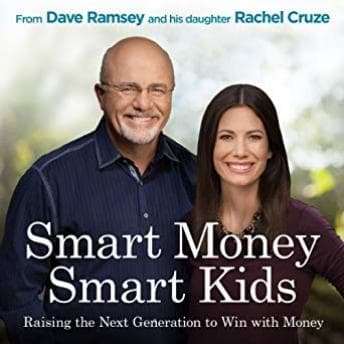
Look, I went into this expecting to hate it. Dave Ramsey's whole brand can feel a bit... much. The debt-free screams, the intensity, the religious undertones—it's not exactly my consulting world. But here's the thing: seven hours later, I'm texting my sister about how we're going to handle money conversations with her kids. So. Make of that what you will.
The Koreatown Test
My parents never read a parenting book in their lives. They handed me a broom at age 8, paid me nothing, and called it "learning responsibility." By 12, I was running the register on weekends. No allowance. No "commission system." Just work, because that's what the family needed.
Rachel Cruze basically describes a sanitized, suburban version of this. Work first, money second. Delayed gratification. The concept that your kids aren't entitled to your money just because they exist. I've seen this fail at three different companies where founders handed their kids VP titles—the Ramseys are right that earning matters.
But—and this is where Jenny would say I'm being harsh. Jenny is right—some of this feels pretty obvious? Like, yes, teach your kids to save. Yes, don't buy them everything they want. The core framework is worth the listen. The other 7 hours? Not so much.
The Father-Daughter Dynamic Actually Works
I wasn't expecting to enjoy the narration. Dave and Rachel reading their own book could've been a disaster. Two people with strong personalities, Southern accents, and a lot of opinions about your money? Recipe for a headache.
Except it's not. Their back-and-forth feels genuinely conversational—like you're eavesdropping on a family dinner where everyone's actually getting along. Rachel brings the millennial perspective ("Here's what it was actually like growing up Ramsey") while Dave drops in with the dad energy ("And here's why I was right"). It's charming. I hate that it's charming.
The Southern accents took some adjusting—I'm an LA kid, this isn't my natural frequency—but by chapter 3 I'd stopped noticing. My 2.0x speed couldn't save this one from some repetitive stretches, but the production quality is solid. Clean audio, no weird transitions.
Where the ROI Drops
Here's my consultant brain kicking in: this book lacks case studies. Real ones. Messy ones. The examples are mostly "Rachel did this as a kid" and "Dave's other kids did that." Cool. But what about the family where both parents work 60-hour weeks? What about single parents? What about families where money is genuinely tight, not "we're choosing to live below our means" tight?
The advice assumes a certain baseline of stability that not everyone has. My parents couldn't have implemented half of this—they were too busy surviving. The book gestures at this occasionally but never really sits with it.
Also, and I say this as someone who's literally paid to tell people what to do—the preachy moments are rough. Dave especially can slip into this "I've figured it all out" tone that made me want to argue with my steering wheel. The anti-debt stuff is solid advice wrapped in a little too much self-righteousness. Crush It! has that same evangelical energy about entrepreneurship—sometimes it works, sometimes you just want them to dial it back.
Who Gets Value Here (And Who Doesn't)
If you're a parent who grew up without financial literacy and you want a framework—not a philosophy, a framework—this delivers. The chapters on teaching kids to work, to give, to delay purchases? Practical. Actionable. I've already stolen the "wait 24 hours before buying anything over $50" rule for myself. (Don't tell Jenny.)
If you're looking for nuanced discussion of wealth building, investing strategies, or anything beyond "debt bad, saving good"—skip this. For that deeper dive into wealth psychology, Think and Grow Rich actually delivers, though it comes with its own set of dated baggage. Read Morgan Housel instead.
The paying-cash-for-college chapter is particularly useful, though I'd argue it's more aspirational than realistic for most families. Still, the underlying message—plan early, involve your kids in the planning—that's solid.
The Billing Summary
No, I wouldn't listen again. But I'd recommend specific chapters to new parents. Skip to chapter 5—the stuff on work and earning is where the real value lives. The early chapters on spending and contentment are fine but drag. The later stuff on college and cars gets more practical.
Seven hours is too long for this content. Should've been four. But the core message—raise kids who understand that money is earned, not given—that's worth hearing. Even if my parents figured it out without the audiobook.