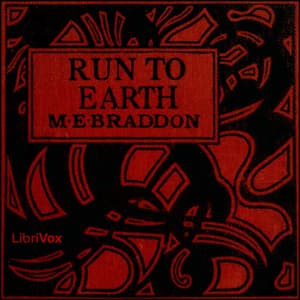

Victorian sensation novels are basically soap operas with better vocabulary. Seriously. I listened to Mary Elizabeth Braddon's Run to Earth while grading a stack of essays that made me question my life choices, and let me tell you—the scoundrels in this book have nothing on a teenager trying to explain why they didn't read The Great Gatsby.
When Subtlety Leaves the Building
If you're looking for quiet, introspective literary fiction where nothing happens for 400 pages... run away. This isn't that. This is Mary Elizabeth Braddon. She wrote Lady Audley's Secret, and she knew exactly what her audience wanted: murder, disguises, and people fainting dramatically.
Her John Marchmont's Legacy scratches that same Braddon itch, though with slightly less of the “hide the good china” energy.Honestly, it's refreshing. After spending all day telling kids to "show, don't tell," it's kind of nice to listen to a book that just screams everything at you. The plot is ridiculous in the best way. We've got mercenaries, jealousy, and enough plot twists to give you whiplash. It reminds me of what Wilkie Collins does, but Braddon has this specific flair for female characters who aren't just sitting around waiting to be saved. (Well, sometimes they are, but they usually have strong opinions about it.)
19 Hours with Gail Mattern
Mattern narrates this beast—and at nearly 20 hours, it is a beast. I hadn't heard her before. She starts with an introduction she wrote herself, which provides some nice context. Kind of like when I have to preface a lesson on Beowulf with "Okay guys, just trust me on this one, it gets better."
She gets the tone right. It's dramatic. It has to be. You can't read a line about a "wretched scoundrel" in a flat, monotone voice. It just doesn't work. Mattern leans into the theatricality of it. She differentiates the characters well enough that I didn't get lost, even when I was zoning out during a faculty meeting about the new copier policy. (Principal Martinez, if you see this, I was totally listening to the budget part.)
Is it perfect? No. Sometimes the pacing felt a little deliberate—maybe a bit slow for modern ears used to 15-second TikToks. But I listen at 1.0x speed—yes, I'm that guy—and it felt appropriate for the era. You need time to digest the prose.
Why My Students Would Hate This (And I Love It)
People online complain that the print versions of this book have tiny, unreadable font. Thank god for audiobooks. My eyes are shot from reading handwriting that looks like chicken scratch for twenty years.
This is the kind of book you put on when you have a long weekend of chores or a commute that makes you want to scream. It's escapism with a pedigree. You can tell people you're "studying Victorian literature," but really, you're just enjoying the drama. It's a slow burn, sure, but once the mystery clicks, you're stuck there until the end.
Who's this for? Anyone who loves Victorian melodrama, Wilkie Collins fans looking for more, or folks who want something absorbing for a long drive. Skip it if you need fast pacing or can't handle 19th-century prose conventions—this one takes its time.
Class Dismissed
It's long. It's melodramatic. It's absolutely worth it if you have the patience for 19th-century pacing. It's not going to change your life like Middlemarch (nothing does, let's be real), but it's a solid, entertaining ride. Just don't expect realism. Realism is for parent-teacher conferences.