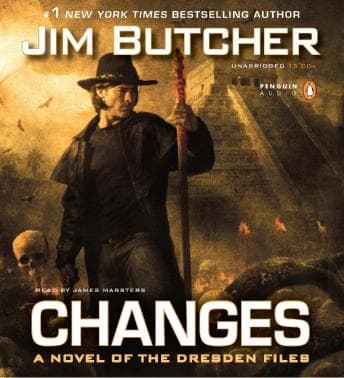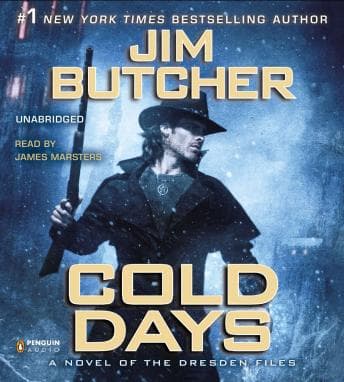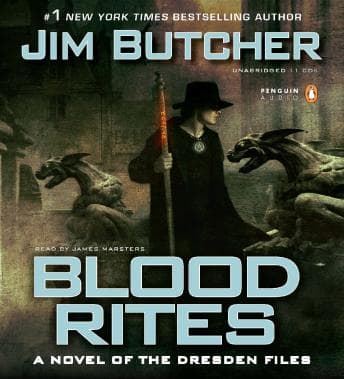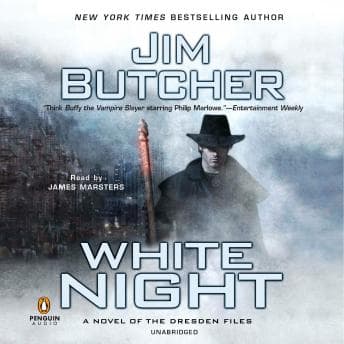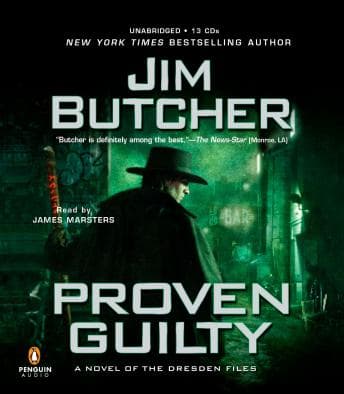

Bottom Line: Worth your commute. Sixteen hours of James Marsters being Harry Dresden is basically the audiobook equivalent of comfort food, except the comfort food occasionally punches you in the gut.
Look, I'll be honest—I started the Dresden Files during a particularly brutal on-call rotation last year, and now I'm eight books deep and showing no signs of stopping. Proven Guilty hit different, though. This one's darker. Less of Harry's trademark snark, more of Harry actually dealing with his trauma. And somehow Marsters makes that transition feel completely natural.
Why James Marsters IS Harry Dresden
I've listened to a lot of narrators. Ray Porter is my usual gold standard. But Marsters doing Dresden? It's not narration anymore. It's possession. The guy who played Spike on Buffy somehow channels this tired, sarcastic wizard-detective so perfectly that I genuinely forget I'm listening to an audiobook.
His voice has this gravelly depth that captures everything about Harry—the exhaustion, the stubborn heroism, the moments where he's barely holding it together. When Harry's dealing with Molly (the daughter of an old friend who shows up tattooed, pierced, and in way over her head), Marsters nails the complicated mix of protectiveness and frustration. And when the horror elements kick in? Actual chills. On a packed Caltrain at 7 AM. My seatmate probably thought I was having a medical episode.
I've seen some complaints about Marsters over-emphasizing words in earlier books, but honestly? By book eight, he's got this dialed in. The pacing is chef's kiss—he knows when to speed up during action sequences and when to let the emotional beats breathe.
The Gut-Punch Moments
Here's the thing about Proven Guilty—it's structured like a supernatural detective story (entities that feed on fear are terrorizing a horror convention, which is deliciously meta), but the real story is about family. Harry's complicated relationship with the White Council. Molly's rebellion against her parents. The cost of protecting people you love.
Butcher does this thing where he'll have you laughing at Bob the skull's inappropriate commentary one minute, then hit you with genuine emotional devastation the next. The horror movie monsters are creepy, sure, but the human stuff? That's what stuck with me.
Fair warning: this one's darker than previous entries. Less humor overall. If you're coming off the high of Dead Beat (the zombie dinosaur book, you know the one), the tonal shift might catch you off guard. I actually appreciated it—felt like the series growing up—but I know some fans miss the lighter touch.
Perfect For: Train, Gym, Long Drives
Sixteen hours is a commitment, but it flew by. I finished this in maybe six commutes? The pacing keeps you engaged without requiring intense focus, which is exactly what you want when you're half-asleep and someone's elbow is in your ribs.
The production quality is clean—no weird audio artifacts, consistent volume, professional all around. I listened at 1.5x and it worked perfectly. Could probably push to 1.75x if you're familiar with the series and don't need to catch every worldbuilding detail.
Who This Is (and Isn't) For
If you haven't read the earlier Dresden books, don't start here. Seriously. The emotional payoffs depend on knowing these characters. Start with Storm Front (even though it's rougher) or at least Dead Beat if you want a better entry point. Also, if you're sensitive to dark themes—violence, psychological horror, some genuinely disturbing imagery—maybe sample first. The horror convention setting means Butcher leans into the scary stuff more than usual.
That horror-heavy approach worked better for me than Haunted, which felt like it was trying too hard to shock—Butcher earns his scares through character stakes. On the flip side, the psychological dread here reminded me of If It Bleeds, though King's narrators don't quite reach Marsters' level of immersion.
The ROI Calculation
Already planning a relisten. There are character introductions in this book that pay off in later entries, and I want to catch the foreshadowing I missed. Plus, honestly? Marsters reading Dresden is just good company. Like having a friend tell you a really elaborate story over drinks.
Sixteen hours of entertainment, solid emotional depth, and a narrator who's so good it almost feels unfair to other audiobooks. If you're already invested in the Dresden Files, this is where the series really starts to hit its stride.