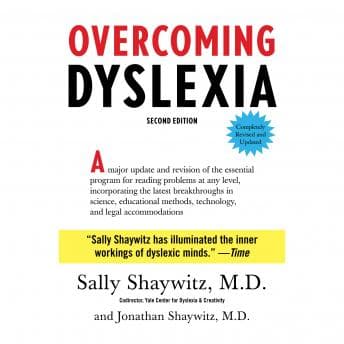

What happens when the world's leading expert on a learning disorder decides to narrate her own comprehensive guide? You get 26 hours of someone who genuinely understands what she's talking about—and that authenticity matters more than you'd think.
I started this audiobook during a particularly brutal grading session, surrounded by student papers that reminded me why I became fascinated with how brains process information differently. Overcoming Dyslexia landed in my queue because a colleague's daughter had just been diagnosed, and I wanted to understand the science beyond the pop-psychology summaries floating around. What I got was essentially a graduate-level seminar delivered by someone who's spent her career at Yale studying exactly this.
The Brain Doesn't Lie (And Neither Does Shaywitz)
Here's what struck me immediately: Sally Shaywitz doesn't dumb things down, but she doesn't hide behind jargon either. Most books about learning differences fall into two camps—overly clinical textbooks or inspirational fluff. This one threads the needle. 12 Rules for Life attempts something similar—academic rigor meets practical application—though Peterson's clinical psychology background gives him a different entry point into behavioral change. Shaywitz explains the neuroscience of reading—how the brain's left hemisphere processes phonemes, why the "word form area" matters—with the precision of someone who's published 350+ scientific papers, but the accessibility of someone who's explained it to thousands of worried parents.
The protagonist here (yes, I'm treating dyslexia as a character, my therapist would have thoughts about this) exhibits classic patterns of misunderstanding. Society labels it as laziness or low intelligence. Shaywitz systematically dismantles this with brain imaging studies and longitudinal data. By hour three, I found myself asking: why does our educational system still rely on methods that the science has debunked for decades?
When the Expert Holds the Microphone
Shaywitz reading her own work creates something interesting. Her delivery is clear, authoritative, occasionally heartfelt—exactly what you'd want from a physician-researcher explaining your child's diagnosis. But here's the honest assessment: at regular speed, the pacing can feel... measured. Some listeners recommend 1.25x, and I'll admit I bumped it up during the more technical chapters. Not because the content was boring, but because her careful, deliberate cadence—perfect for a lecture hall—can feel slow for audiobook consumption.
The lack of a professional narrator's theatrical range is noticeable. You won't get distinct character voices for the case studies she presents. But what you lose in performance, you gain in authenticity. When Shaywitz describes a child's struggle to decode words, or the relief parents feel when they finally understand their kid isn't broken—just wired differently—you hear genuine investment. It's a fascinating trade-off: polish for credibility.
The 26-Hour Commitment (Worth It?)
Let's address the elephant: this is a long audiobook. Nearly 26 hours. That's a commitment. The second edition adds substantial new material—chapters on anxiety and ADHD co-occurrence, dyslexia in post-menopausal women (finally, research acknowledging that learning differences don't disappear at 18), and updated digital technology resources. It's comprehensive to the point of being encyclopedic.
This isn't background listening material. I tried it during a morning jog once—mistake. The scientific content requires actual attention. You need to be in the right headspace, probably with the ability to pause and process. I ended up listening during evening cooking sessions, stirring dal while absorbing information about phonemic awareness exercises.
What makes this book compelling is its dual utility. It's both a scientific text and a practical manual. Shaywitz includes specific home programs, screening recommendations for kindergarteners, and—crucially—stories of successful dyslexic adults. The psychological impact of that last element shouldn't be underestimated. Parents need hope alongside information.
Who Should Press Play (And Who Should Keep Scrolling)
Essential listening for: educators (especially early childhood), parents navigating a diagnosis, and frankly, anyone involved in literacy education who wants to understand the science rather than rely on intuition. Also valuable for dyslexic adults who want to understand their own neurology—there's something powerful about hearing the research explain your lived experience.
Skip this if you want a quick overview, you're looking for entertainment, or you need dynamic narration to stay engaged. This is a reference work in audio form. Approach it that way.
The Research Holds Up
I came to this audiobook looking for research to share with a colleague. I left with a deeper understanding of why reading instruction in most schools fails so many kids—and a genuine appreciation for Shaywitz's decades of work. The science is rigorous. The practical applications are evidence-based. The narrator is the actual expert, which counts for something.
The 26-hour investment pays dividends if you're in the target audience. Just... maybe keep that 1.25x speed handy.